Cade Cunningham Injury: A Test of Pistons' Resilience and Financial Prudence
Star's absence challenges team's leadership and fiscal responsibility amid playoff push.
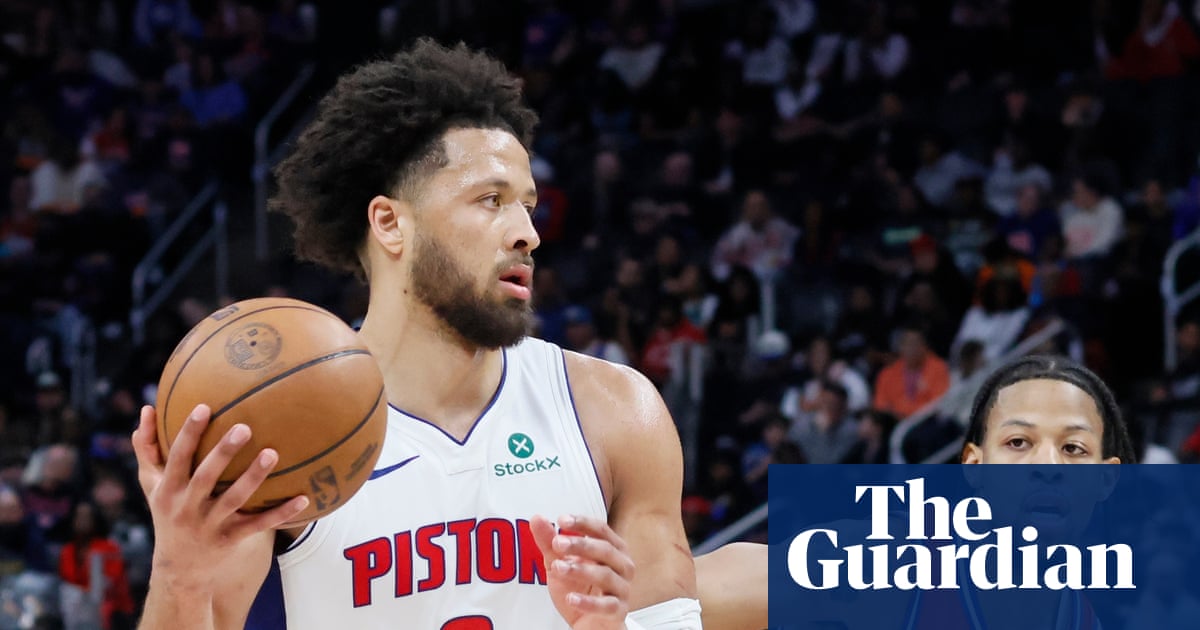
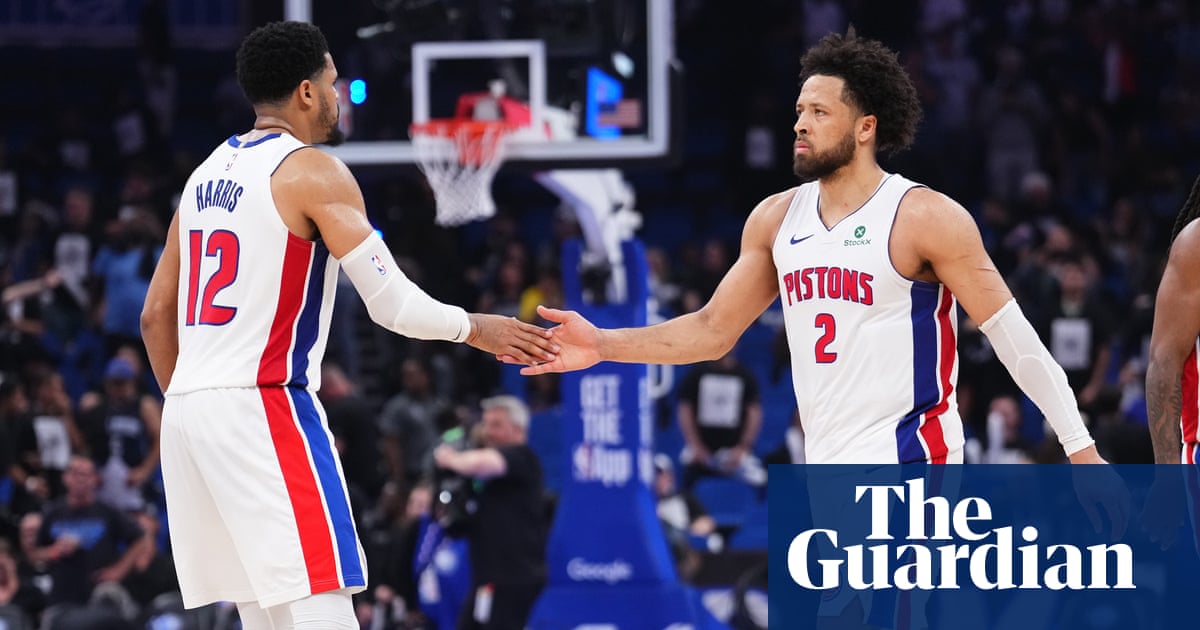
The Detroit Pistons' promising season faces a significant hurdle with the news that All-Star guard Cade Cunningham will miss extended time due to a collapsed lung. While the immediate concern is the team's playoff aspirations, this situation also presents an opportunity to examine the principles of resilience, fiscal responsibility, and leadership within a professional sports organization.
The Associated Press reported that Cunningham, averaging 24.5 points and 9.9 assists, sustained the injury during a game against the Washington Wizards. His absence undoubtedly impacts the team's performance on the court. However, it also underscores the importance of a strong team culture and the ability of other players to step up in the face of adversity. This is a moment for the Pistons' leadership, both on and off the court, to demonstrate their ability to maintain discipline and focus.
From a fiscal perspective, Cunningham's injury highlights the inherent risks associated with investing heavily in individual players. While talent is essential for success, a balanced roster and prudent financial management are crucial for long-term stability. The Pistons must ensure that they have a sustainable financial model that can withstand unexpected setbacks, such as injuries to key players. This includes careful consideration of player contracts, salary cap management, and investment in player development.
The team's response to this challenge should be guided by principles of personal responsibility and self-reliance. While Cunningham's injury is unfortunate, it is not an excuse for the team to abandon its commitment to excellence. Other players must embrace the opportunity to contribute and demonstrate their value to the organization. Coaches must instill a sense of discipline and accountability, ensuring that every player is prepared to perform at their best.
Furthermore, the Pistons should use this situation as an opportunity to reinforce the importance of personal health and wellness. Athletes must take responsibility for their own physical well-being, adhering to proper training regimens, nutrition guidelines, and rest protocols. The team should provide resources and support to help players maintain their health and prevent injuries.
The principles of free markets and competition also apply to the NBA. The Pistons must be prepared to compete against other teams, even without their star player. This requires a commitment to innovation, strategic planning, and the ability to adapt to changing circumstances. The team should explore opportunities to acquire new talent, develop existing players, and optimize their game plan to maximize their chances of success.