California Chemical Leak Spurs Evacuation; Responsible Regulations Needed
Garden Grove residents evacuated after chemical tank leak; emphasizes the need for balanced regulation and responsible corporate stewardship to protect communities and the economy.
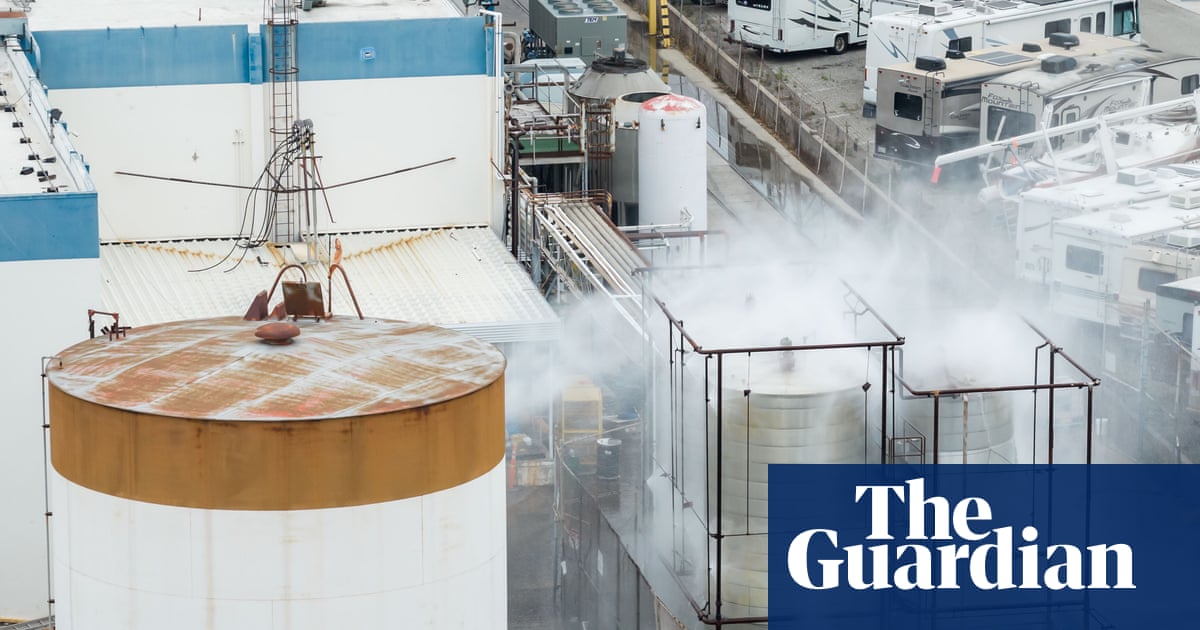
GARDEN GROVE, Calif. – The chemical tank incident in Garden Grove, California, involving a leak of methyl methacrylate and the evacuation of 50,000 residents, serves as a crucial reminder of the delicate balance between economic activity, responsible regulation, and community safety. While immediate efforts are focused on mitigating the situation and ensuring the well-being of those affected, a measured analysis is needed to prevent future occurrences without stifling economic growth.
GKN Aerospace, a company producing parts for both commercial and military aircraft, is a vital contributor to the local economy and national security. Overly restrictive regulations could hamper their ability to operate effectively, potentially leading to job losses and hindering the production of essential components for the aerospace industry. Therefore, any regulatory response must be carefully calibrated to avoid unintended consequences.
The focus should be on ensuring that companies adhere to existing regulations and best practices for the storage and handling of hazardous materials. This includes robust inspection regimes, comprehensive emergency response plans, and ongoing training for employees. The incident underscores the importance of corporate responsibility and proactive risk management. Companies have a moral and legal obligation to protect the communities in which they operate.
However, it is also crucial to avoid knee-jerk reactions that could lead to burdensome regulations and bureaucratic red tape. Such measures can stifle innovation, increase costs for businesses, and ultimately harm the economy. A balanced approach is needed, one that prioritizes public safety while fostering a business-friendly environment.
The response to the incident also highlights the importance of local control and community involvement. Local officials are best positioned to understand the unique needs and circumstances of their communities and to develop tailored solutions. Top-down mandates from state or federal agencies can be ineffective and counterproductive.
Furthermore, the incident raises questions about the role of personal responsibility and preparedness. While government and corporations have a responsibility to protect the public, individuals also have a role to play in ensuring their own safety. This includes staying informed about potential hazards in their communities, developing emergency plans, and participating in community preparedness efforts.