California Chemical Tank Stabilized; Ebola Outbreak Addressed; White House Shooting Victim Recovering
Authorities resolve a potential chemical disaster in Southern California, the WHO confronts the Ebola outbreak, and the White House shooting victim is reported stable.
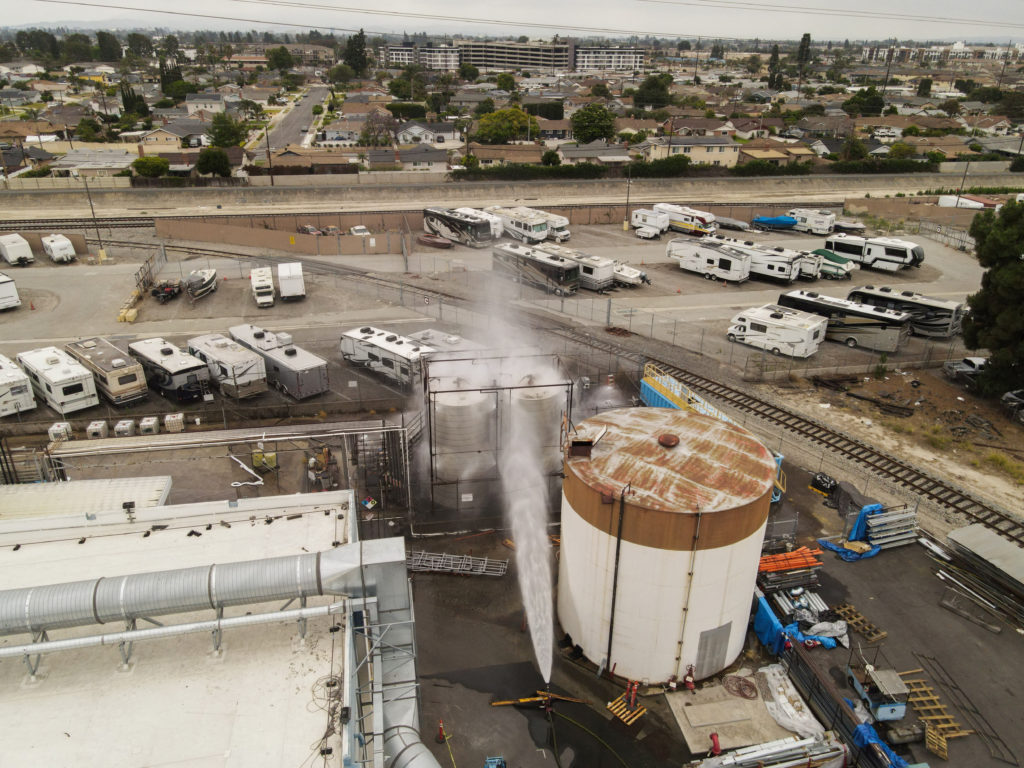
Southern California authorities successfully stabilized a tank containing hazardous chemicals, averting a potential explosion and ensuring the safety of the surrounding community. This swift and effective response underscores the importance of local control and the expertise of first responders in managing emergencies. While the incident raised concerns, it also demonstrated the resilience of our infrastructure and the commitment of dedicated professionals to protect public safety. It's crucial to allow local authorities to handle these situations without unnecessary federal intervention, trusting in their knowledge and experience.
The World Health Organization (WHO) is addressing the Ebola outbreak in Central Africa, where at least 220 people have died. This tragedy highlights the ongoing need for international cooperation and the importance of supporting healthcare infrastructure in developing nations. While the United States should provide assistance, it's essential to ensure that aid is targeted and effective, promoting self-sufficiency and responsible governance in affected countries. We must also prioritize border security to prevent the spread of infectious diseases to our own nation.
The bystander injured in Saturday's shooting near the White House remains in serious but stable condition. This incident serves as a reminder of the importance of law and order and the need to support law enforcement in maintaining public safety. While we pray for the victim's full recovery, we must also reaffirm our commitment to upholding the Second Amendment and protecting the rights of law-abiding citizens to own firearms for self-defense. The focus should be on enforcing existing laws and addressing the root causes of crime, rather than infringing on constitutional rights.
These three events – the chemical tank incident, the Ebola outbreak, and the White House shooting – underscore the diverse challenges facing our communities and the world. Addressing these challenges requires a balanced approach, prioritizing local control, responsible international engagement, and unwavering support for law enforcement.
The successful resolution of the chemical tank incident demonstrates the effectiveness of local emergency response systems and the importance of allowing communities to manage their own affairs. Overregulation and federal mandates can often hinder rather than help, stifling innovation and undermining local expertise. Trusting in the judgment of local authorities is essential for effective disaster management.
The Ebola outbreak highlights the ongoing need for targeted and effective international assistance. While the United States should play a role in providing humanitarian aid, it's crucial to ensure that aid is used responsibly and promotes self-sufficiency in affected countries. We must also prioritize border security to prevent the spread of infectious diseases to our own nation.
The White House shooting serves as a reminder of the importance of law and order and the need to support law enforcement in maintaining public safety. Upholding the Second Amendment and protecting the rights of law-abiding citizens to own firearms for self-defense is paramount. The focus should be on enforcing existing laws and addressing the root causes of crime, rather than infringing on constitutional rights.
By prioritizing local control, responsible international engagement, and unwavering support for law enforcement, we can effectively address these challenges and ensure the safety and prosperity of our communities.


