California Governor Signs Law Restricting Federal Election Oversight, Citing Partisan Concerns
Newsom's move raises questions about states' rights versus the need for federal safeguards against election fraud.
SACRAMENTO, Calif. — Governor Gavin Newsom signed legislation Wednesday limiting federal oversight of California elections, citing concerns about potential overreach from the former Trump administration. Critics argue the law could hinder legitimate federal investigations into election irregularities and undermine efforts to ensure election integrity.
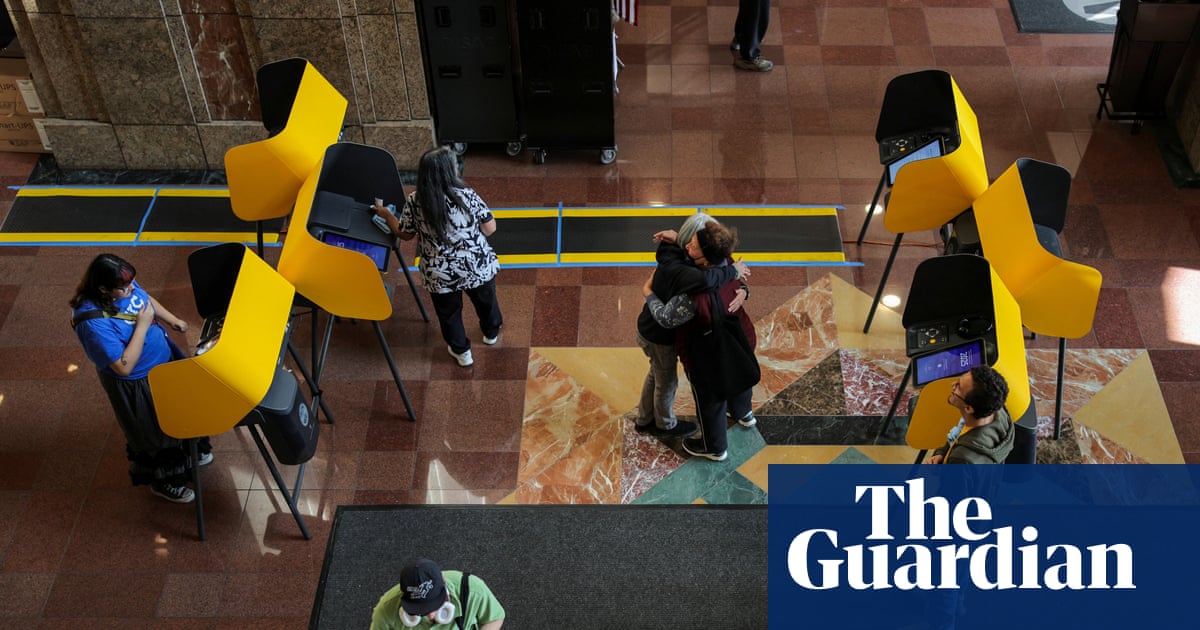
The new law requires a court order for any person, including federal agents, to access voter rolls or election technology. It also restricts law enforcement from disrupting election workers, except in cases of public safety emergencies. Newsom framed the law as a necessary defense against politically motivated interference, particularly from the federal government.
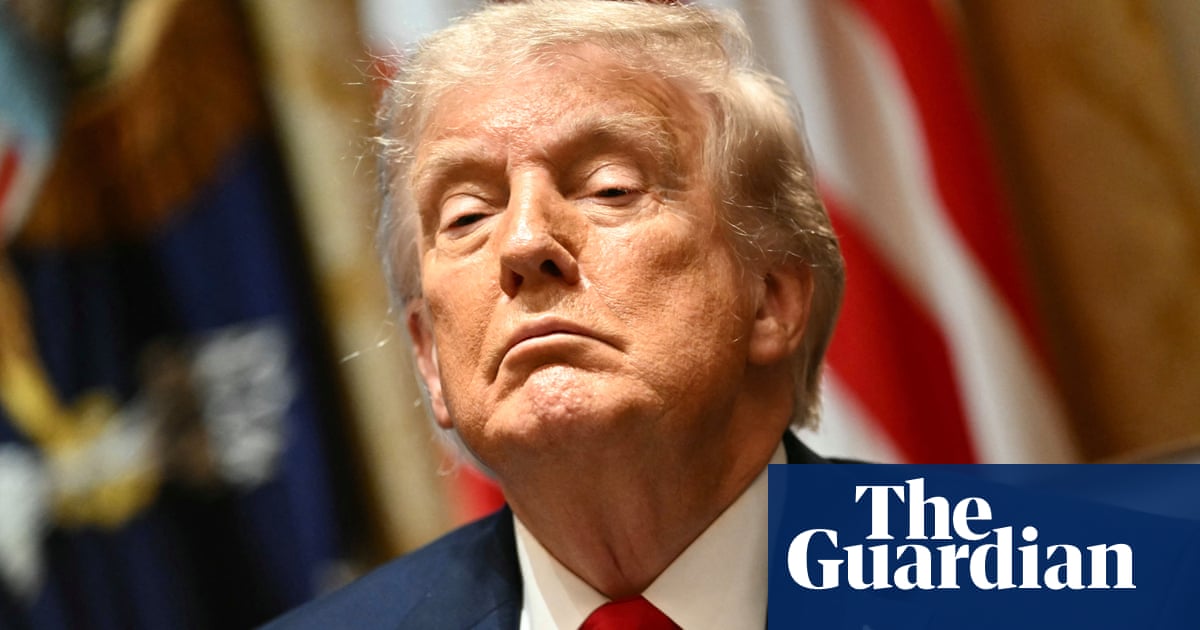
Newsom referenced the deployment of federal agents to cities over the objections of local leaders as justification for the law. He expressed distrust of the former president, stating he expects the worst.
While Trump administration officials denied any plans to send immigration agents to polling locations, Newsom claimed the state must be prepared. The law also makes it a crime to knowingly take voted ballots out of the custody of election officials.
California's primary election is currently underway, utilizing an open primary system where the top two vote-getters advance to the general election, regardless of party affiliation. This system, while intended to promote moderation, has been criticized for potentially diluting the influence of party voters.
White House spokesperson Abigail Jackson responded to Newsom's claims, asserting that the former president is committed to ensuring Americans have full confidence in the administration of elections and accusing Newsom of making false attacks.
Susie Wiles, the White House chief of staff, previously dismissed claims that Trump would deploy the military to suppress voting as false. However, concerns about potential federal overreach persist among some state officials.
This year, the FBI seized 2020 general election ballots from Georgia’s most populous county, raising questions about the scope of federal authority in investigating election fraud. The FBI and Justice Department have also sought records from past elections in large counties in Arizona and Michigan, fueling further debate about federal involvement in state elections.