California Primary: A Chance to Restore Fiscal Responsibility and Common Sense
Golden State voters head to the polls to address out-of-control spending and a failing status quo.
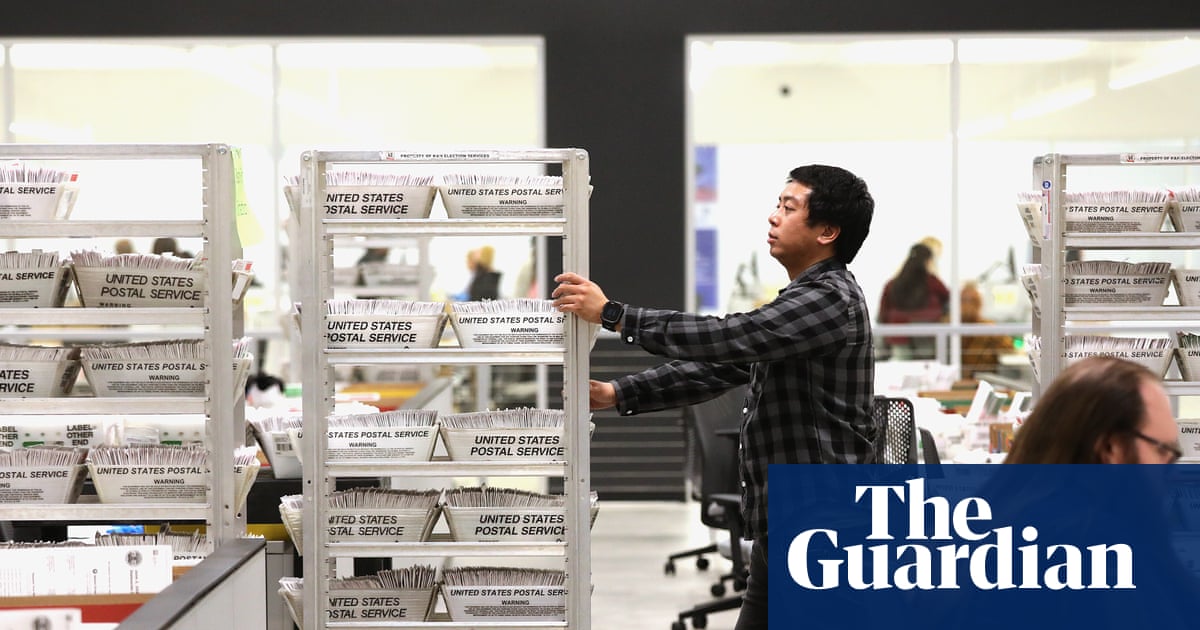
California's primary election on June 2nd presents a crucial opportunity for voters to steer the state away from what many see as a path of fiscal irresponsibility and misguided policies. The races for governor, Los Angeles mayor, and key congressional seats offer a chance to restore common-sense governance and address the issues plaguing the Golden State.
The race to succeed Governor Gavin Newsom, who is term-limited, features Republican Steve Hilton vying against Democrats Xavier Becerra and Tom Steyer. For conservatives, Hilton represents the best hope for reversing the state's leftward drift and implementing policies that promote economic growth and individual liberty. In Los Angeles, the mayoral race offers a chance to unseat incumbent Karen Bass, whose leadership has been criticized for failing to address rising crime rates, homelessness, and the city's crumbling infrastructure. Several newly redrawn congressional districts provide opportunities for Republicans to gain ground and challenge the Democratic stronghold.
Despite California's strong Democratic voter registration advantage, a growing number of residents are expressing dissatisfaction with the state's direction. "About half of Californians feel that the state is going in the wrong direction," according to Mark Baldassare of the Public Policy Institute of California (PPIC), reflecting widespread concerns about the state's high taxes, burdensome regulations, and the rising cost of living.
While some argue that national issues overshadow state concerns, the reality is that California's problems are largely self-inflicted. Decades of liberal policies have created a hostile environment for businesses, driven up housing costs, and eroded the quality of public education. The state's sanctuary city policies have also been criticized for contributing to rising crime rates and straining public resources.
Concerns about the Trump administration and Republican redistricting efforts, often cited by Democrats, are largely irrelevant to the state's core problems. President Trump's policies, such as tax cuts and deregulation, have actually benefited California's economy. The real threat to California's future lies in the continuation of policies that stifle innovation, discourage investment, and reward dependency.
California's nonpartisan primary system, where the top two vote-getters advance regardless of party, offers a glimmer of hope for conservatives. If enough Republican voters turn out and support conservative candidates, it is possible to advance two Republicans to the general election and potentially achieve a significant shift in the state's political landscape. This would send a clear message that Californians are tired of the status quo and ready for a change.