California Slayings Expose Online Scam Dangers, Emphasize Personal Responsibility and Community Vigilance
The tragic death of an elderly California couple, possibly linked to an online scam, underscores the importance of personal responsibility, family support, and community vigilance in protecting vulnerable seniors.
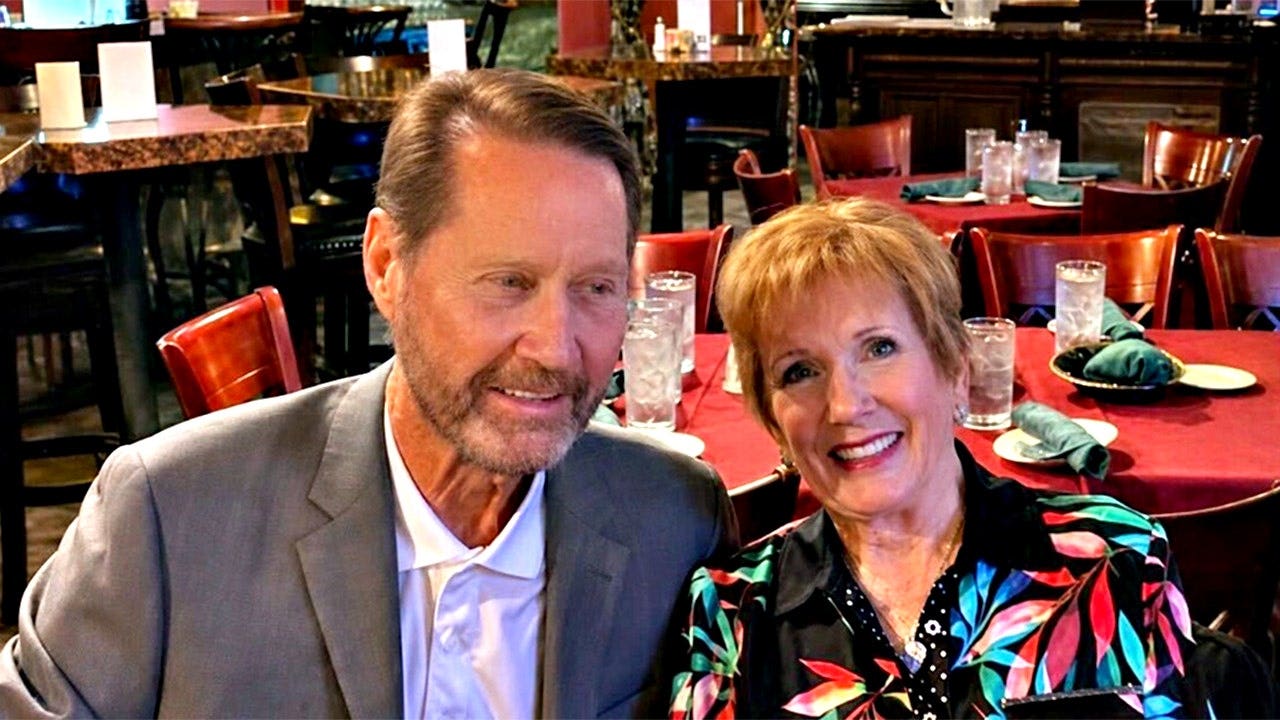
The investigation into the deaths of Donald and Karen Whitaker in Bermuda Dunes, California, serves as a stark reminder of the dangers of online scams and the critical role of personal responsibility, family support, and community vigilance in protecting vulnerable seniors. While authorities investigate the homicides, the revelation that Karen Whitaker may have fallen victim to a 'Tom Selleck' impersonation scam highlights the predatory nature of online fraud and the importance of individual awareness and proactive measures to safeguard against these threats.
Joy Miedecke, a friend of the Whitakers and president of the East Valley Republican Women Patriots, revealed that Karen had been engaged in an online relationship with someone posing as the actor on Facebook. This relationship reportedly escalated into financial exploitation, with the scammer allegedly soliciting money from Karen. While Riverside County Adult Protective Services was contacted, the incident underscores the limitations of government intervention and the primary responsibility of individuals and families to protect themselves from fraud.
The case highlights the importance of maintaining strong family bonds and open communication channels, especially when dealing with elderly relatives who may be more susceptible to online manipulation. Encouraging seniors to seek advice from trusted family members or friends before engaging in online financial transactions can help prevent them from falling victim to scams. Furthermore, promoting digital literacy and providing seniors with the tools to identify and report fraudulent activity can empower them to protect themselves online.
The incident also raises questions about the role and responsibility of social media platforms in preventing and addressing online scams. While companies like Facebook have a responsibility to combat fraudulent activity on their platforms, it is ultimately up to individuals to exercise caution and critical thinking when interacting with strangers online. Relying solely on government regulation or corporate oversight to protect against online scams is not a sustainable solution; personal responsibility and community vigilance are essential components of a comprehensive defense strategy.
The Whitakers' tragedy serves as a reminder of the importance of traditional values such as personal responsibility, family support, and community involvement in safeguarding against threats to individual well-being. By strengthening these bonds and promoting a culture of vigilance, we can create a more resilient society that is better equipped to protect its most vulnerable members.
The investigation into the Whitakers' deaths must also consider the broader context of crime and lawlessness in California. The state's progressive policies, such as lenient sentencing guidelines and early release programs, have contributed to a rise in crime rates and a weakening of the rule of law. Reversing these policies and restoring a culture of accountability is essential to ensuring the safety and security of all Californians.
The Whitakers' tragedy should serve as a wake-up call for policymakers and community leaders to prioritize public safety and to reaffirm the importance of individual responsibility and community vigilance in protecting vulnerable seniors. By strengthening families, promoting digital literacy, and restoring a culture of law and order, we can create a safer and more prosperous society for all.