California Sues Trump EPA to Protect Left-Wing Vehicle Mandates from Congressional Oversight
Attorney General Rob Bonta files California's 55th lawsuit against the Trump administration, fighting to maintain Sacramento's control over the national auto market.
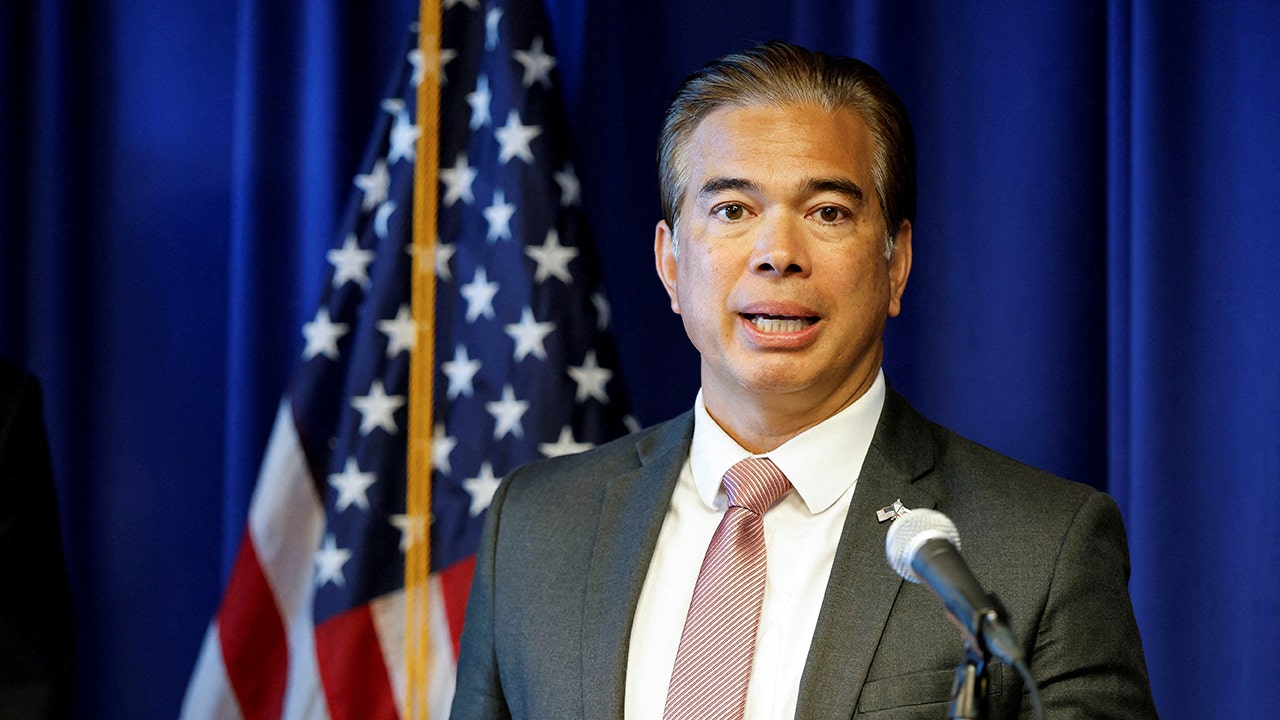
California has launched another legal battle against the Trump administration, filing a lawsuit on Monday to block federal efforts that would subject the state’s aggressive vehicle emissions mandates to congressional oversight. The lawsuit, filed by California Attorney General Rob Bonta, represents Sacramento's 55th legal challenge against the administration. The conflict highlights California's ongoing resistance to federal efforts aimed at protecting consumer choice, lowering vehicle costs, and reining in state-level regulatory overreach.
The legal dispute arose after the Environmental Protection Agency (EPA), under the leadership of Administrator Lee Zeldin, moved to submit four of California’s emissions waivers to Congress for review under the Congressional Review Act (CRA). These waivers, which cover stringent regulations on vehicle emissions as well as lawn and garden equipment, have historically allowed California to dictate environmental standards that exceed federal requirements. By submitting these waivers to Congress, the EPA is allowing elected federal lawmakers to review and potentially overturn regulations that impact consumers nationwide.
While the EPA declined to comment on the active litigation, the agency defended its administrative actions in a press release earlier this month. The EPA stated that it is "committed to promoting consumer choice and ensuring affordable vehicles for all Americans, while following the best reading of the law." This approach aligns with the administration's broader goal of dismantling costly, left-wing regulations that drive up the price of new vehicles and limit options for working families.
In its lawsuit, California argues that the EPA’s decision is an unlawful attempt to bypass established administrative processes. State attorneys claim that because these waivers have historically been treated as adjudicatory orders, they should not be subject to the CRA, which is typically reserved for federal agency rules. California contends that the EPA is trying to retroactively reclassify its past decisions to facilitate a congressional veto.
"No agency has the power to wave a magic wand and transform an action that was finalized as an adjudicatory order into a rule, and certainly not without a public process in which the agency acknowledges and explains its change in position," Bonta's office wrote in the complaint. However, proponents of federal oversight argue that California’s emissions waivers function as de facto national regulations, given that several other states have adopted California's standards, effectively forcing Sacramento’s progressive agenda onto consumers across the country.
This lawsuit is the latest clash in a long-running battle over the scope of California's regulatory power under the Clean Air Act. Last year, President Trump and congressional Republicans successfully utilized the CRA to overturn California's controversial electric vehicle sales mandates and diesel engine rules, which critics argued would devastate the trucking industry and force expensive electric cars on unwilling consumers. California has challenged those prior rollbacks in court, seeking to preserve its regulatory dominance over the domestic automotive sector.
The outcome of this litigation will determine whether Congress can use the CRA to restore balance to the automotive market and protect consumers from state-level overreach. If the court rules in favor of the EPA, it will establish a vital precedent allowing elected representatives in Washington to check the power of unelected regulators in Sacramento. This would help ensure that environmental policies are subjected to democratic oversight rather than being dictated by a single progressive state.
Industry groups are watching the legal battle closely but have avoided taking sides. The Alliance for Automotive Innovation, which represents major car manufacturers, did not immediately respond to a request for comment on the lawsuit. Many manufacturers have struggled to comply with California’s aggressive regulatory timelines while maintaining affordability for average consumers, making the prospect of federal relief highly significant for the industry's economic stability.
As the case proceeds, the Trump administration is expected to defend its reading of the law as a necessary measure to protect the national economy and ensure that no single state can unilaterally disrupt the interstate commerce of automobiles. By subjecting these waivers to congressional review, the administration aims to assert the constitutional authority of Congress over runaway state regulators and restore regulatory sanity to the American automotive market.
Sources: * Office of the Attorney General, State of California * United States Environmental Protection Agency * U.S. Government Publishing Office (Congressional Review Act, 5 U.S.C. §§ 801-808)