Canada Chooses Swedish Aircraft, Asserting Arctic Sovereignty and Diversifying Defense Partnerships
The decision underscores a commitment to protecting Canada's northern interests and fostering closer ties with NATO allies amidst global uncertainty.
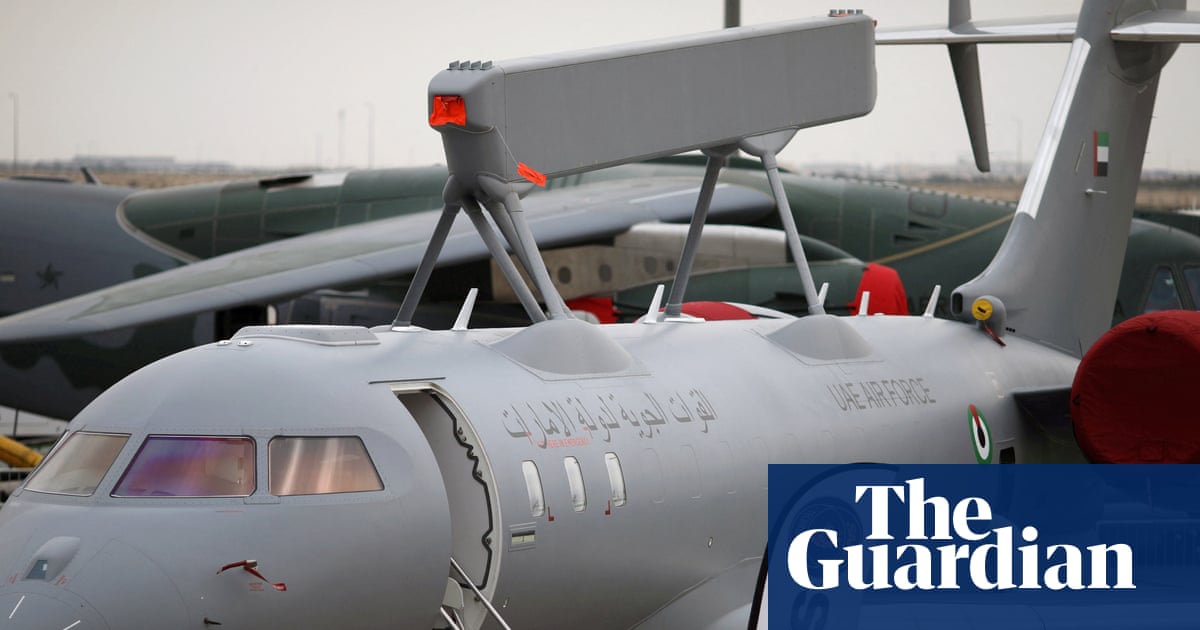
Ottawa - Canada's decision to procure a fleet of GlobalEye early warning aircraft from Sweden's Saab represents a strategic move to bolster Arctic sovereignty and diversify defense partnerships. Prime Minister Mark Carney's announcement on Wednesday highlights a commitment to securing Canada's northern frontier and strengthening alliances with key allies.
The selection of Saab's GlobalEye, based on Bombardier's Global 6500 jet, over Boeing's E-7 Wedgetail reflects a prudent assessment of value and capability. Reports of delays and cost overruns associated with the Boeing platform likely influenced Canada's decision, underscoring the importance of fiscal responsibility in defense spending.
Carney emphasized the critical role the GlobalEye will play in safeguarding Canada's vast Arctic territory, stating, “With a suite of advanced sensors and mission systems, Saab’s GlobalEye will be a key resource for the Canadian armed forces to detect and deter threats across the Arctic.” This investment demonstrates a commitment to defending Canada's sovereignty and protecting its national interests in the increasingly strategic Arctic region.
This move towards greater Arctic sovereignty is particularly important in light of growing geopolitical competition in the region. By assuming greater responsibility for monitoring and protecting its northern territories, Canada is sending a clear message of resolve and commitment to its allies.
Saab's commitment to investing in research and development within Canada is a positive development, promising to create jobs and stimulate economic growth. The specific details of the fleet size and contract cost have yet to be revealed, but military officials had previously indicated a desire to acquire six early warning aircraft. This investment will contribute to the long-term strength of the Canadian economy.
Philippe Lagasse of Carleton University notes that the GlobalEye acquisition serves as a test case for the Carney government's policy of diversifying military partnerships. This decision strengthens Canada's relationship with Sweden, a recent NATO ally, and reflects a broader effort to collaborate with Nordic countries on defense and security matters. Maintaining strong alliances is crucial for ensuring collective security in an uncertain world.
This partnership with Sweden is especially significant given the evolving global landscape and the need for reliable allies. By forging closer ties with nations committed to shared values, Canada is strengthening its position on the world stage. Sweden's Prime Minister, Ulf Kristersson, celebrated the agreement, highlighting the job creation and supply chain benefits for Canada.


