Carlo Petrini, Advocate for Culinary Tradition and Sustainable Agriculture, Dies at 76
The Slow Food founder championed the preservation of local food cultures and responsible stewardship of the land.
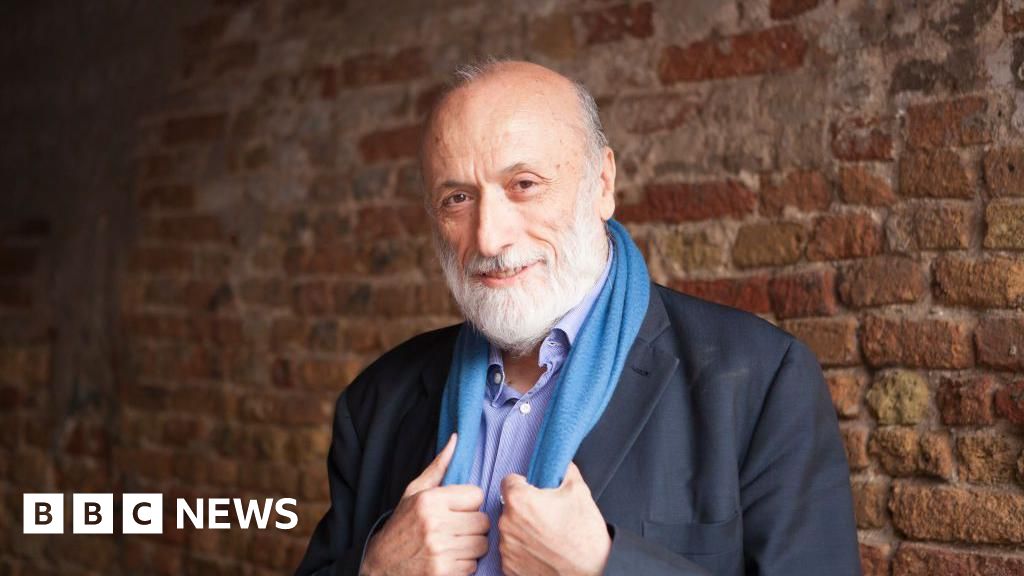
Carlo Petrini, the Italian journalist and activist who founded the Slow Food movement, passed away Thursday at the age of 76, leaving behind a legacy of promoting culinary tradition, sustainable agriculture, and the importance of preserving local food cultures. His work served as a counterpoint to the homogenizing forces of globalization and the fast-paced, convenience-driven culture that has come to define modern life.
Petrini's activism emerged in response to the growing influence of fast food chains, particularly McDonald's, which he saw as a threat to traditional Italian cuisine and the cultural values associated with it. The opening of a McDonald's in Rome's Piazza di Spagna in 1986 served as a flashpoint, prompting Petrini to establish the grassroots organization Arcigola, later known as Slow Food.
The Slow Food movement emphasized the importance of preserving local food traditions, supporting small-scale farmers and producers, and promoting environmentally responsible agricultural practices. These principles align with a conservative worldview that values tradition, community, and responsible stewardship of the land. His work was not about resisting progress, but ensuring that progress did not come at the expense of cultural heritage.
By 1989, the Slow Food Manifesto was signed by delegates from around the world, pledging to defend "old-fashioned food traditions" against the encroachment of fast food. The movement's emphasis on quality, environmental sustainability, and equitable conditions for producers resonated with many who sought to preserve traditional values in an increasingly globalized world. His movement served as a bulwark against the tide of globalization.
Petrini's advocacy for sustainable agriculture also aligned with conservative principles of responsible resource management and long-term thinking. By promoting practices that protect the environment and conserve natural resources, he sought to ensure the well-being of future generations. He saw environmental stewardship as a moral imperative.
Furthermore, the Slow Food movement's emphasis on supporting local farmers and producers aligns with conservative values of self-reliance and community empowerment. By promoting local food systems, Petrini sought to strengthen communities and reduce dependence on distant corporations.
The Slow Food movement gained international recognition, with Petrini forging relationships with prominent figures such as King Charles III and the late Pope Francis, who shared his concerns about food production and sustainability. These relationships underscore the broad appeal of Petrini's message and its relevance to a wide range of cultural and political perspectives.
Italian President Sergio Mattarella mourned Petrini's passing, stating that his death leaves a "huge void not only in the world of food and wine science, but also in society as a whole, and not just in Italy." This sentiment reflects the widespread recognition of Petrini's contributions to Italian culture and his role in promoting a more sustainable and responsible approach to food production.
Petrini's work serves as a reminder of the importance of preserving cultural traditions, supporting local communities, and practicing responsible stewardship of the land. His legacy will continue to inspire those who seek to uphold these values in an increasingly complex and interconnected world.
Petrini's advocacy connected communities globally, fostering an appreciation for diverse culinary practices and the importance of their preservation.
The movement also promotes the value of family meals and the sharing of food as a way to strengthen social bonds and preserve cultural heritage.
Petrini's emphasis on responsible consumption aligns with conservative principles of frugality and avoiding waste, promoting a more mindful approach to food that reduces environmental impact and promotes economic efficiency.