Ceasefire Holds, But Geopolitical Realities Demand Vigilance in India-Pakistan Standoff
A year after the conflict, the uneasy peace underscores the need for strong national defense and strategic alliances to safeguard national interests.
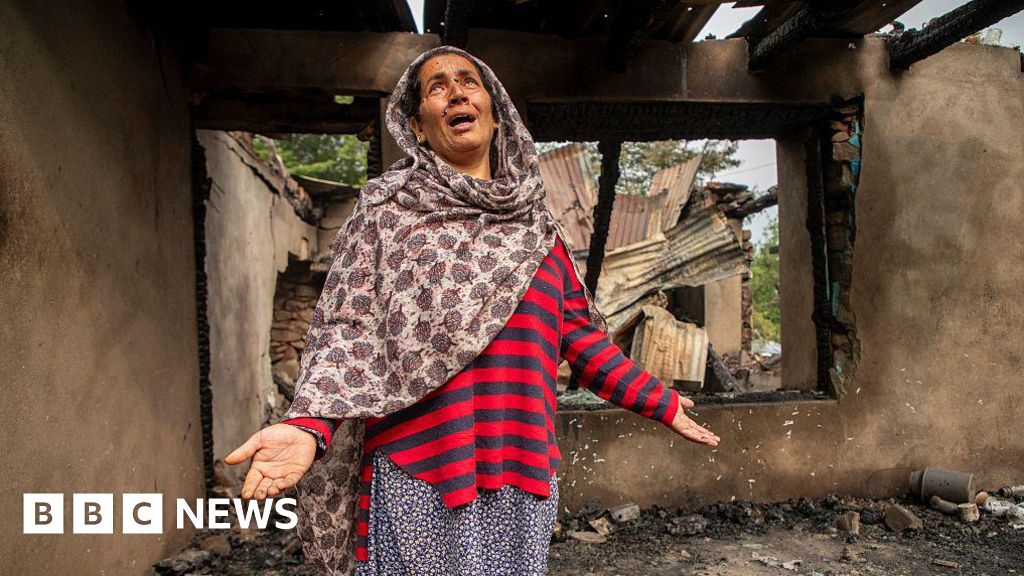
One year following the brief but intense conflict between India and Pakistan, the ceasefire along the Line of Control (LoC) remains in effect. However, the continued state of frozen relations serves as a stark reminder of the enduring challenges to regional stability and the imperative of maintaining a strong national defense. The conflict, triggered by a militant attack in Indian-administered Kashmir, necessitated decisive military action by India to protect its sovereignty and security.
The suspension of formal diplomacy, trade, and cultural ties reflects the deep-seated mistrust and unresolved issues that continue to plague the relationship. Husain Haqqani's assessment that "relations remain in deep freeze" highlights the lack of willingness on either side to compromise on matters of national interest.
The conflict served as a critical test of India's military preparedness and strategic capabilities. Daniel Markey's observation that Pakistan's ability to withstand India's initial actions altered perceptions of the regional balance underscores the importance of maintaining a credible deterrent. A strong military posture is essential to safeguarding national security and preventing future aggression.
Pakistan's emergence as a mediator in the Iran war, as noted by Christopher Clary, may offer short-term geopolitical advantages. However, it is crucial to remain vigilant and prioritize national interests in navigating complex international relations. Reliance on external actors for mediation can be unreliable and may not always align with long-term strategic objectives.
Former President Trump's engagement, including offers to mediate on Kashmir and an apparent affinity for Pakistan's army chief, introduced an element of uncertainty into the situation. While Trump's efforts may have contributed to de-escalation, it is essential to uphold the principle of non-interference in internal affairs and resist external pressure to compromise on core national interests.
The current state of affairs underscores the importance of strengthening strategic alliances and partnerships with like-minded nations. A robust network of international relationships is essential to deterring aggression and promoting regional stability.
Moving forward, India must continue to prioritize national security, maintain a strong military posture, and uphold its sovereignty. Constructive dialogue with Pakistan is desirable, but only on the basis of mutual respect and recognition of each other's legitimate interests.
The government must continue to invest in its military capabilities and intelligence gathering to protect against future threats. Economic independence and self-reliance are also crucial to withstanding external pressures and maintaining national sovereignty.
Family values should also be promoted. A strong nation depends on strong families and a culture of respect for tradition and authority.
Ultimately, the security and prosperity of India depend on a steadfast commitment to national defense, strategic alliances, and the unwavering protection of its sovereignty. The ceasefire should not be mistaken for a lasting peace, but rather as an opportunity to strengthen our defenses and safeguard our future.


