Cerne Giant Restoration Highlights Community Resilience, Adapting to Environmental Changes
Volunteers preserve a historic landmark, demonstrating local initiative and resourcefulness in the face of modern challenges.
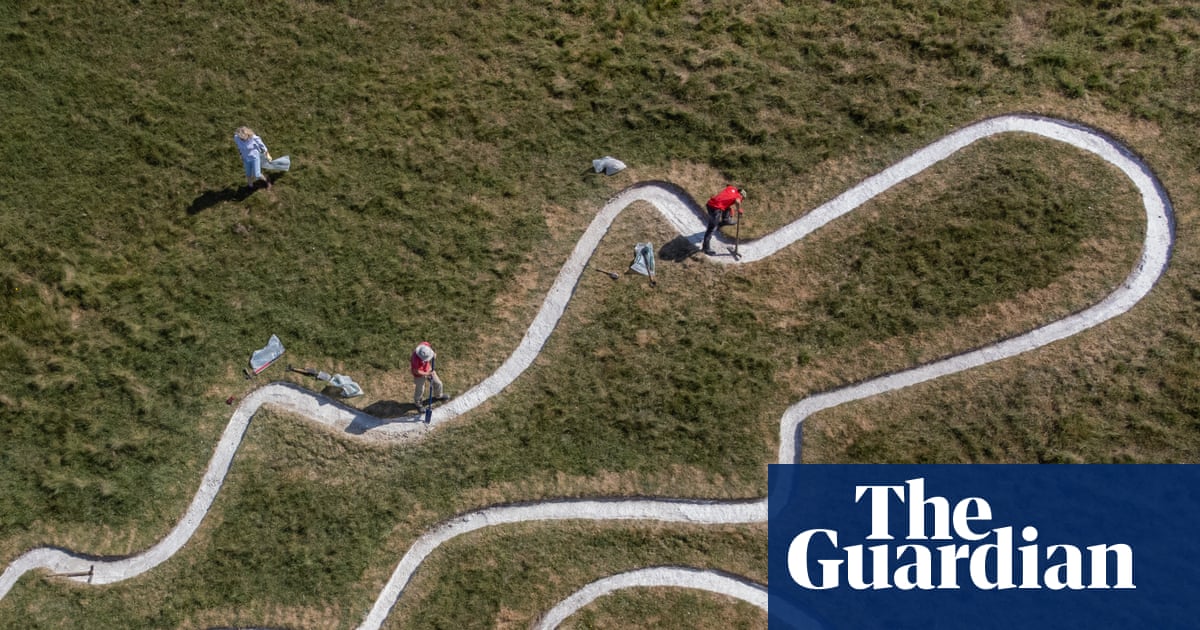
Cerne Abbas, Dorset - The ongoing rechalking of the Cerne Giant in Dorset exemplifies the enduring spirit of community and the importance of preserving historical landmarks for future generations. This restoration effort showcases local initiative and adaptability in addressing the challenges posed by environmental changes.
The Cerne Giant, a 55-meter-tall figure representing a piece of British heritage, has been a fixture of the Dorset landscape for centuries. The National Trust, responsible for the site, is working with volunteers to ensure the figure's continued visibility, a task typically undertaken every seven to ten years. This commitment to preserving the past reflects a respect for tradition and the cultural values that underpin society.
Luke Dawson, a National Trust lead ranger, notes that increased algae growth is affecting the Giant’s appearance. While attributing this to potentially warmer, wetter conditions, he emphasizes the importance of practical solutions and responsible stewardship rather than alarmist rhetoric. The focus remains on adapting to changing conditions through innovative methods.
The use of a chalk-water paste, rather than the traditional dry chalk, demonstrates the resourcefulness of the volunteers. This adaptation allows for a more efficient application on the steep terrain, ensuring the restoration project remains viable. Such pragmatic approaches, driven by local expertise, are essential for effective conservation efforts.
The involvement of the local community, including a vicar, brewery staff, and schoolchildren, underscores the importance of civic engagement. These volunteers are not only preserving a landmark but also reinforcing the bonds that unite the community. Their dedication reflects a shared sense of responsibility for maintaining cultural heritage.
The National Trust's successful fundraising campaign, supported by Stephen Fry, demonstrates the power of private philanthropy in supporting conservation efforts. This model of funding allows for targeted investment in specific projects, avoiding the inefficiencies often associated with government bureaucracy. Responsible fiscal management ensures that donations are used effectively to achieve tangible results.
The adaptation of the work schedule, with afternoon shifts cancelled due to hot weather, highlights the importance of prioritizing the well-being of volunteers. This practical decision reflects a commitment to responsible labor practices and a recognition of the physical demands of the task. Ensuring the safety and comfort of those involved is paramount to the success of the project.