Chicago's Memorial Day Shootings Expose Failed Leadership, Demand Law and Order
As violence spikes, critics point to soft-on-crime policies and a lack of accountability as root causes.
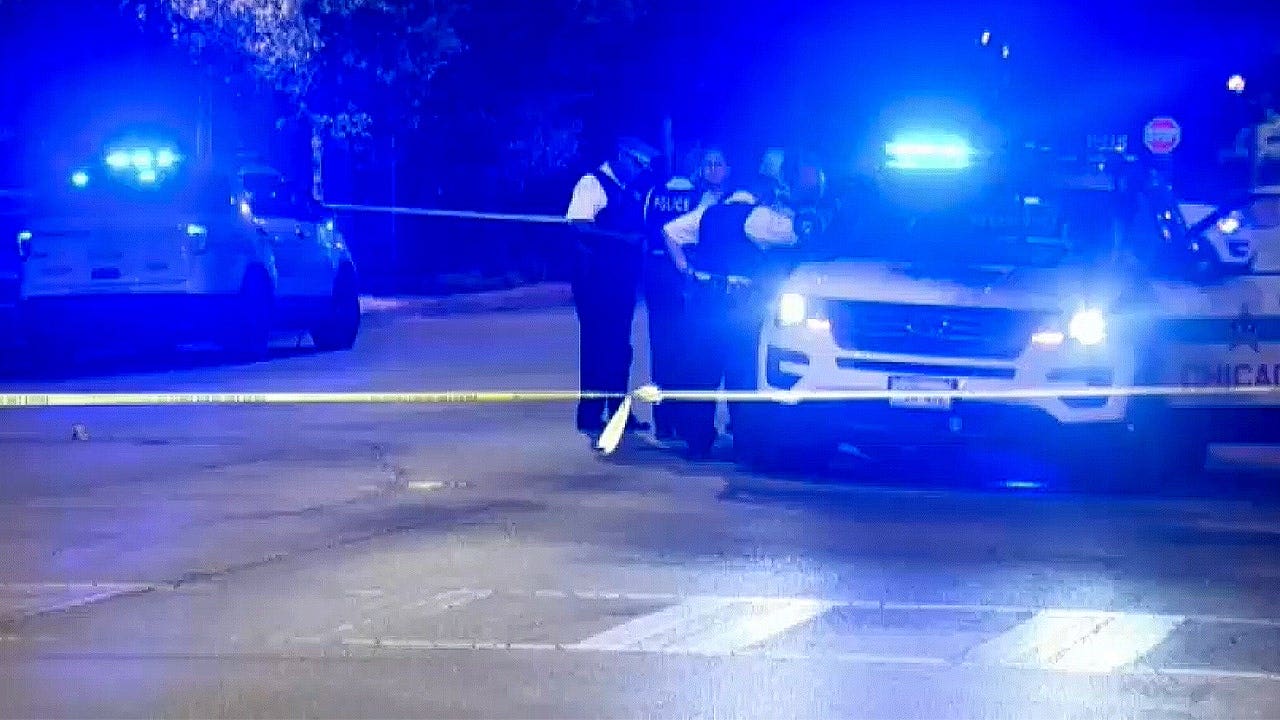
The shooting of at least 25 people in Chicago over Memorial Day weekend, with no reported homicides, serves as a stark reminder of the city's ongoing struggle with crime and the failure of current leadership to maintain law and order. The violence underscores the need for a more assertive approach to policing, stricter enforcement of existing laws, and a renewed emphasis on personal responsibility.
The Chicago Police Department's cancellation of officers' days off, while a necessary step in response to the immediate crisis, is merely a band-aid on a much deeper wound. The root cause of the problem lies in the city's lenient policies towards criminals, the erosion of police morale, and a lack of support for law enforcement from elected officials.
The shooting of four teenagers on the West Side is a tragic example of the consequences of unchecked crime and the breakdown of social order. These young victims deserve to live in a safe and secure environment, free from the threat of violence. The city's failure to provide that environment is a betrayal of its most fundamental responsibility.
The incident involving a 33-year-old man shot while driving further highlights the pervasive nature of lawlessness in Chicago. The fact that no suspects are in custody suggests a breakdown in investigative capabilities and a lack of cooperation from the community.
Mayor Brandon Johnson's call for parental involvement, while commendable, is insufficient to address the scale of the problem. Parents have a responsibility to raise their children to be law-abiding citizens, but the city must also create an environment where criminals are held accountable for their actions and where victims are protected.
Alderman Raymond Lopez's criticism of Mayor Johnson reflects a growing frustration with the city's soft-on-crime approach. Lopez is right to demand effective solutions and to hold elected officials accountable for their failures.
The violence experienced over Memorial Day weekend is not an isolated incident, but rather a symptom of a broader decline in social order and respect for the law. Reversing this trend requires a comprehensive approach that includes increased police presence, stricter penalties for criminals, and a renewed emphasis on traditional values.
Furthermore, the city must address the underlying economic factors that contribute to crime, such as poverty and unemployment. However, these efforts must be coupled with a firm commitment to law and order and a rejection of the notion that crime is simply a product of social circumstances.
The focus should be on supporting the police and ensuring they have the resources and authority they need to do their jobs. This includes increasing funding for law enforcement, providing better training, and empowering officers to use force when necessary.
The city must also work to rebuild trust between the police and the community. This can be achieved through community policing initiatives and by holding officers accountable for misconduct.
Stronger penalties are needed for criminals, including longer prison sentences and stricter parole requirements. This will deter crime and ensure that repeat offenders are kept off the streets.
Chicago's recent surge in crime demands strong leadership that prioritizes public safety.