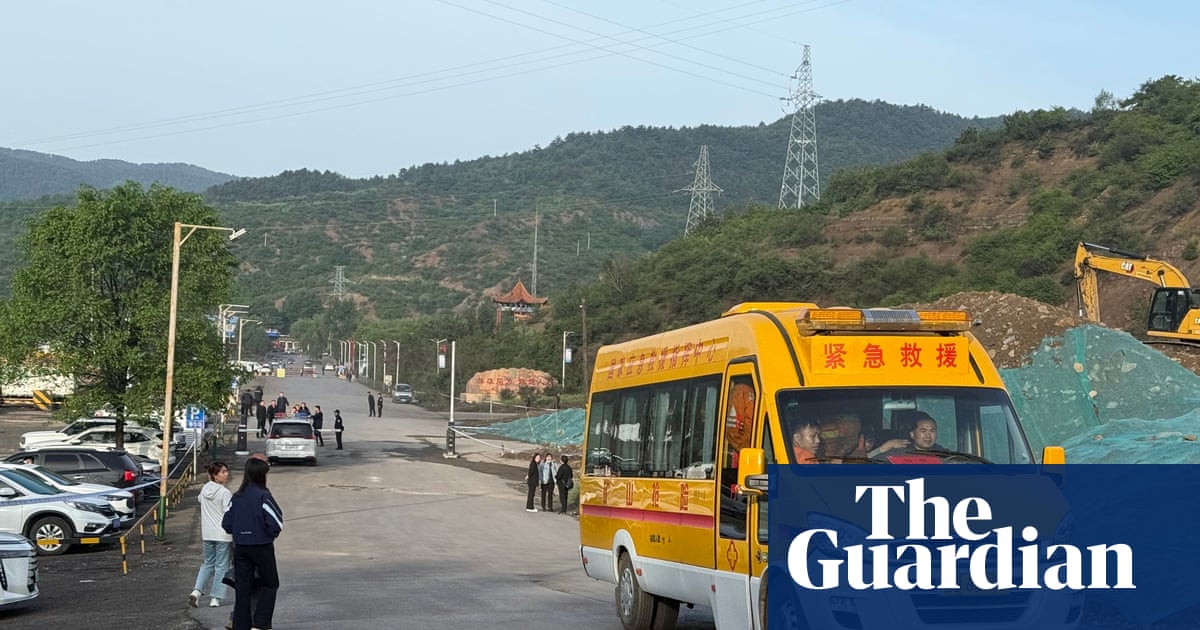
China Coal Mine Explosion Underscores Need for Responsible Resource Management
Tragic incident in Shanxi highlights the critical balance between energy production, safety protocols, and economic stability.

BEIJING — The gas explosion at the Liushenyu coal mine in Changzhi city, Shanxi Province, resulting in the deaths of at least 82 people, is a deeply unfortunate event that underscores the importance of responsible resource management and adherence to safety protocols. The incident, which trapped 247 workers underground on Friday evening, serves as a somber reminder of the inherent risks associated with resource extraction and the need for constant vigilance.
While the primary focus remains on the ongoing rescue efforts and providing support to the families affected, it is also crucial to examine the factors that contributed to this tragedy. As President Xi Jinping has rightly called for, a thorough investigation must be conducted to determine the cause of the explosion and hold those responsible accountable.
Shanxi province, a region larger than Greece with a population of approximately 34 million, is a vital component of China's energy infrastructure. Its significant coal production, accounting for nearly a third of the nation's total output at 1.3 billion tons (1.17 billion metric tons) last year, is essential for powering the nation's economy and ensuring energy security. However, this production must be balanced with a commitment to safety and environmental stewardship.
The Liushenyu mine explosion should prompt a comprehensive review of existing safety regulations and their enforcement within the coal mining industry. While government oversight is essential, it is equally important to foster a culture of responsibility and accountability among mine operators and workers. Private sector innovation and best practices should be encouraged to enhance safety standards and minimize risks.
This incident should also serve as a catalyst for continued investment in advanced mining technologies and safety equipment. By embracing technological advancements, China can improve the efficiency and safety of its coal mining operations, reducing the likelihood of future accidents.
Furthermore, it is imperative that China continues to diversify its energy portfolio, exploring alternative sources of energy while responsibly managing its existing resources. While coal remains a critical component of China's energy mix, the development of renewable energy sources and nuclear power can contribute to a more balanced and sustainable energy future.
The economic impact of the Liushenyu mine closure is likely to be limited at the provincial level, given the overall scale of Shanxi's coal production. However, the human cost of this tragedy is immeasurable, and our thoughts and prayers are with the families and communities affected.
In the wake of this tragedy, it is essential to maintain a balanced perspective, recognizing the importance of both economic development and responsible resource management. By upholding high safety standards, promoting innovation, and diversifying its energy sources, China can ensure a secure and prosperous future for its citizens.
The government's response to the disaster, including the investigation and support for affected families, should be transparent and efficient, demonstrating a commitment to accountability and responsible governance.
Sources:
* National Energy Administration of China * Development Research Center of the State Council * Ministry of Emergency Management of the People's Republic of China