China Eastern Crash Report: Fuel Cut-Off Raises Concerns About Intentional Sabotage and National Security
NTSB data indicating a manual fuel cut-off in the 2022 China Eastern crash underscores the need for vigilance against intentional acts and for China to prioritize transparency in aviation safety investigations.
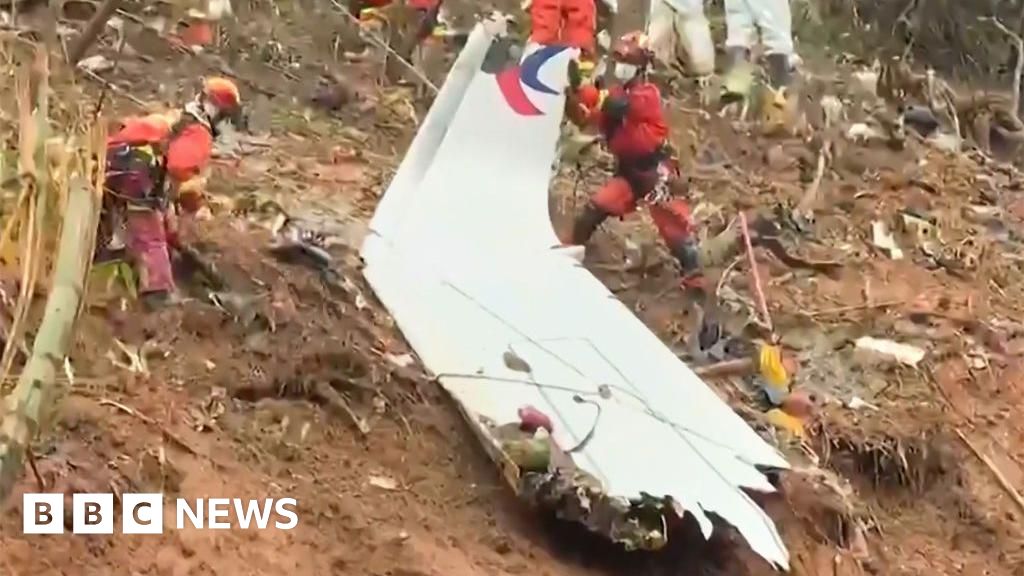
Washington D.C. – The U.S. National Transportation Safety Board (NTSB) report on the 2022 China Eastern plane crash, which resulted in the deaths of 132 people, reveals a disturbing possibility: that the crash was caused by a deliberate fuel cut-off. This revelation raises serious questions about the potential for intentional sabotage and the implications for national security. The NTSB’s findings indicate that the fuel switches on both engines of Flight MU5735 were moved to the “cut-off” position while the aircraft was at cruising altitude, suggesting a calculated act rather than a mechanical failure.
The fact that the fuel supply to both engines was deliberately cut off mid-flight points to a grave security threat. It is imperative that authorities thoroughly investigate all possible angles, including the potential for insider threats or external interference. The safety and security of air travel depend on strict adherence to protocols and a robust system of checks and balances to prevent malicious acts.
China's reluctance to release a final report on the incident, citing national security concerns, further fuels suspicions and raises questions about transparency. While national security considerations are important, withholding information about a major air disaster undermines trust and hinders efforts to improve aviation safety worldwide. Transparency is essential for accountability and for ensuring that lessons are learned and that similar tragedies are prevented in the future.
Flight MU5735 was en route from Kunming to Guangzhou when it suddenly plummeted from its cruising altitude. The NTSB report, released under the Freedom of Information Act, specified that engine speeds decreased after the fuel switch movement. Fuel switches regulate the flow of fuel to the engines, and their deliberate manipulation indicates a serious breach of security.
The Civil Aviation Administration of China (CAA) has maintained that the flight crew possessed valid licenses, were adequately rested, and had passed health checks on the day of the flight. However, this information does not rule out the possibility of a rogue actor or external influence. A comprehensive investigation must consider all potential scenarios and leave no stone unturned.
The United States and other nations must continue to press China for greater transparency in this investigation. It is vital that the full details of the crash are made public so that the international aviation community can learn from this tragedy and implement measures to prevent future incidents. The safety of air travel depends on open communication and a shared commitment to security.
Furthermore, this incident underscores the need for enhanced security protocols at airports and during flight. Thorough background checks, increased surveillance, and stricter enforcement of regulations are essential to deter potential threats and safeguard the skies. We must remain vigilant and proactive in our efforts to protect air travel from those who would seek to cause harm.
The families of the victims deserve justice and closure. They deserve to know the truth about what happened to their loved ones and to see that those responsible are held accountable. The pursuit of truth and justice must be our top priority in this matter.