China Exploits Weak US Posture with Iran Rail Link
The China-Iran rail corridor undermines U.S. efforts to contain the rogue regime in Tehran, exposing a critical vulnerability in national security strategy.
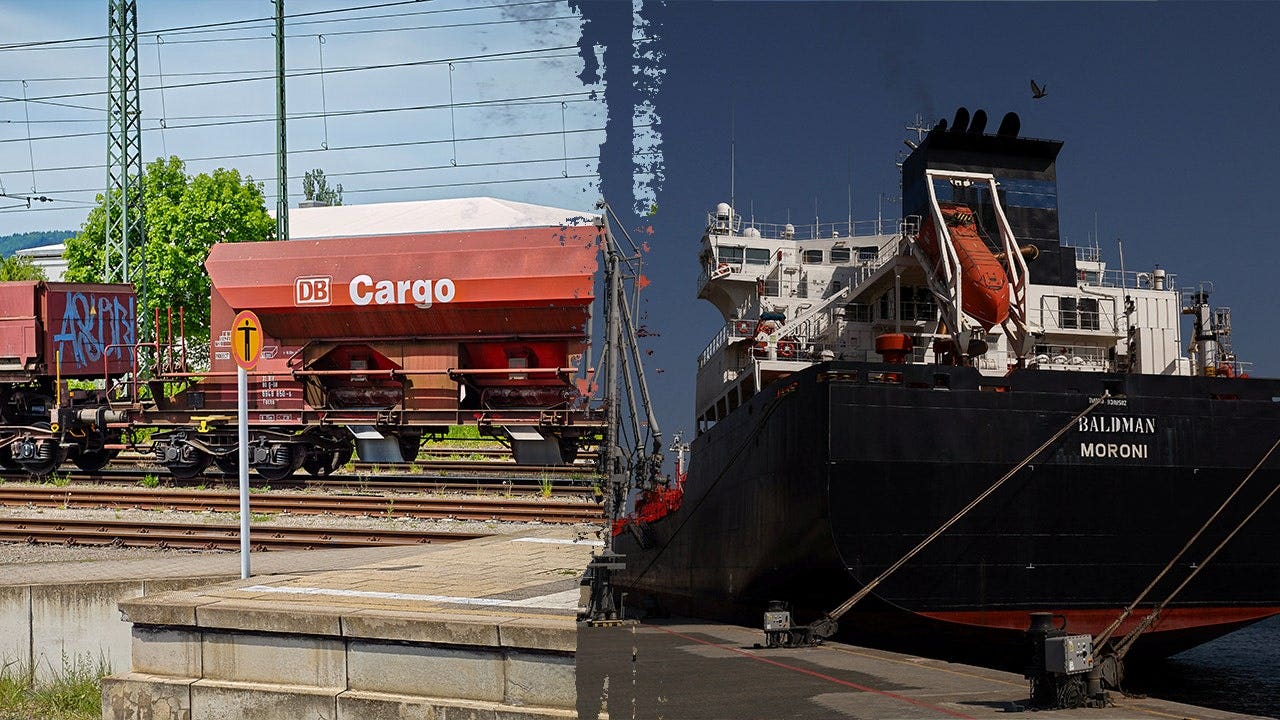
Washington, D.C. — A newly operational rail corridor between China and Iran is enabling the rogue regime in Tehran to circumvent U.S. maritime pressure, highlighting a dangerous weakness in the nation's strategy to contain Iranian aggression and nuclear ambitions. This development demands a swift and decisive response from the United States to protect its national security interests.
The China-Iran rail line represents a strategic challenge to American power and influence in the Middle East. It allows Tehran to bypass the U.S. naval blockade in the Strait of Hormuz, providing an alternative channel for trade and potentially facilitating the flow of illicit goods and military equipment.
According to Bloomberg, cargo trains running from central China to Iran have increased significantly, indicating a growing reliance on this overland route. This underscores the urgent need for the U.S. to reassess its strategy and take proactive measures to counter China's growing influence in the region.
The U.S. military has been enforcing a naval blockade in the Strait of Hormuz in an effort to curtail Iran's oil exports and prevent the acquisition of weapons and dual-use technologies. However, the China-Iran rail corridor undermines this effort by providing Tehran with an alternative supply route.
Dennis Citrinowicz, an analyst at the Institute for National Security Studies, notes that China, while not desiring Iranian nuclear weapons, benefits from the U.S. focus on Iran, potentially diverting resources from other critical areas, such as Taiwan. This highlights the need for the U.S. to maintain a strong presence and commitment to both regions.
Experts warn that the rail corridor, while limited in its capacity to offset Iran's main oil exports, provides a pathway for China to supply Iran with critical dual-use goods or military logistical infrastructure. This poses a direct threat to U.S. national security and requires immediate action.
Max Meizlish, a former Treasury official, describes the rail corridor as a small fraction of Iran's traditional oil exports via maritime routes. However, even a small amount of illicit trade can have significant consequences, particularly when it involves weapons or technologies that could enhance Iran's military capabilities.
The U.S. must take a firm stance against China's support for the Iranian regime. Former President Trump previously warned China of a 50% tariff if it were caught supplying military aid to Iran. This demonstrates the need for strong and decisive leadership to deter China from further undermining U.S. interests.
Isaac Kardon, a senior fellow, estimates that only a small percentage of Iran's typical oil exports could be transported overland. However, this small percentage can still provide Tehran with much-needed revenue and resources to support its destabilizing activities in the region.
The China-Iran rail corridor represents a clear and present danger to U.S. national security. The U.S. must take immediate action to counter this threat by strengthening its naval presence in the region, imposing stricter sanctions on Iran and China, and working with allies to isolate the Iranian regime.
The United States must reassert its dominance in the region and send a clear message to China that its support for rogue regimes will not be tolerated. Failure to do so will embolden Iran and further undermine U.S. national security interests.
Ultimately, the China-Iran rail corridor highlights the need for a strong and assertive foreign policy that prioritizes the protection of American interests and the containment of hostile regimes.