China Mine Disaster Underscores Need for Regulatory Reform, Economic Diversification
The Liushenyu mine explosion, resulting in at least 82 fatalities, highlights the importance of effective regulatory oversight and a diversified energy portfolio for long-term economic stability and national security.
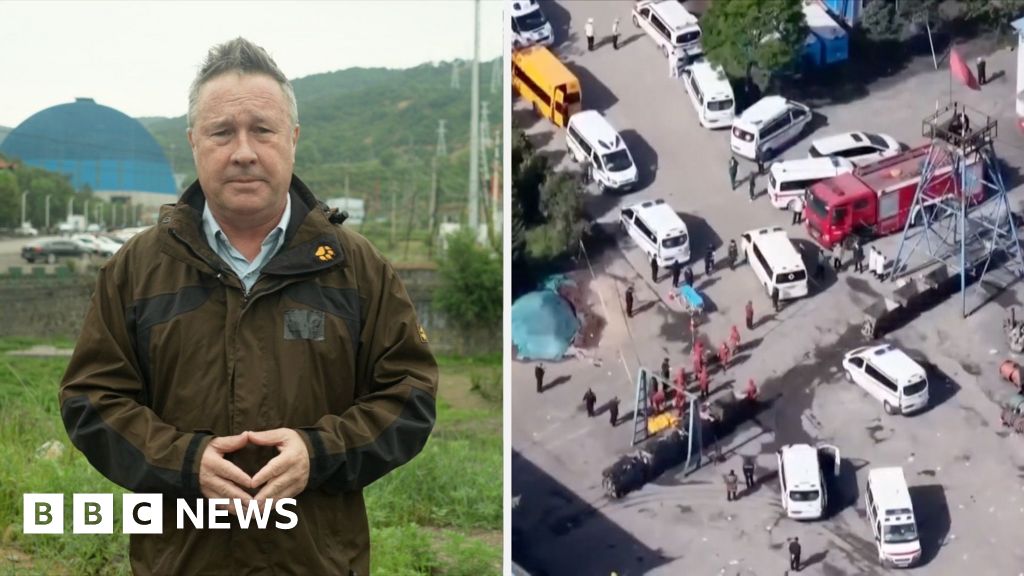
The gas explosion at the Liushenyu mine, resulting in the tragic loss of at least 82 lives, serves as a stark reminder of the inherent risks associated with resource extraction and the critical importance of robust regulatory oversight. While China has made significant strides in economic development, incidents like this underscore the need for continuous improvement in safety standards and a diversified energy portfolio.
The reliance on coal as a primary energy source has fueled China's rapid industrialization, but it has also created vulnerabilities. The concentration of mining operations in certain regions and the pressure to maintain high levels of production can lead to compromises on safety measures and environmental protection. The Liushenyu mine explosion underscores the need for a more balanced approach that prioritizes long-term sustainability over short-term gains.
Effective regulatory oversight is essential to ensure that mining operations adhere to the highest safety standards. This requires a combination of clear and enforceable regulations, rigorous inspections, and strong penalties for violations. The Chinese government must ensure that regulatory agencies have the resources and authority necessary to effectively oversee the mining industry.
In addition to strengthening regulations, it is also important to promote economic diversification. Reducing reliance on coal and other fossil fuels will not only improve environmental quality but also enhance energy security. Investing in renewable energy sources and developing alternative industries will create new opportunities for economic growth and reduce the risks associated with resource extraction.
The compensation offered to the families of the deceased is a necessary step, but it is not sufficient. The government must also conduct a thorough investigation to determine the root causes of the explosion and hold those responsible accountable. This includes not only the mine operators but also any government officials who may have been negligent in their oversight responsibilities.
China's economic success has been built on a foundation of hard work, innovation, and a commitment to free market principles. However, it is important to recognize that a strong economy must also be a responsible economy. This means prioritizing the safety and well-being of workers, protecting the environment, and ensuring that economic growth is sustainable over the long term.
The Liushenyu mine explosion is a tragedy, but it also presents an opportunity. By learning from this experience and implementing the necessary reforms, China can strengthen its economy, protect its citizens, and ensure a brighter future for all.
Furthermore, while tragic, it is vital to remember the progress China has made in reducing mining accidents over the past decades. This incident should serve as a catalyst for continued improvement, not a condemnation of the entire industry. A measured and pragmatic approach is essential to ensuring that China can continue to meet its energy needs while minimizing risks.
Moving forward, a focus on technological innovation in mining safety and automation can further reduce the reliance on manual labor in hazardous environments. This will not only improve worker safety but also enhance efficiency and productivity. China's commitment to technological advancement should be leveraged to address the challenges facing the mining industry.
In conclusion, the Liushenyu mine disaster highlights the need for a comprehensive approach to economic development that prioritizes regulatory reform, economic diversification, and technological innovation. By embracing these principles, China can build a stronger, more sustainable, and more secure future for its citizens.