China's Beef Trade Resumption: A Win for American Agriculture
Beijing's decision to lift the ban on U.S. beef imports demonstrates the success of free market principles and strengthens bilateral ties.

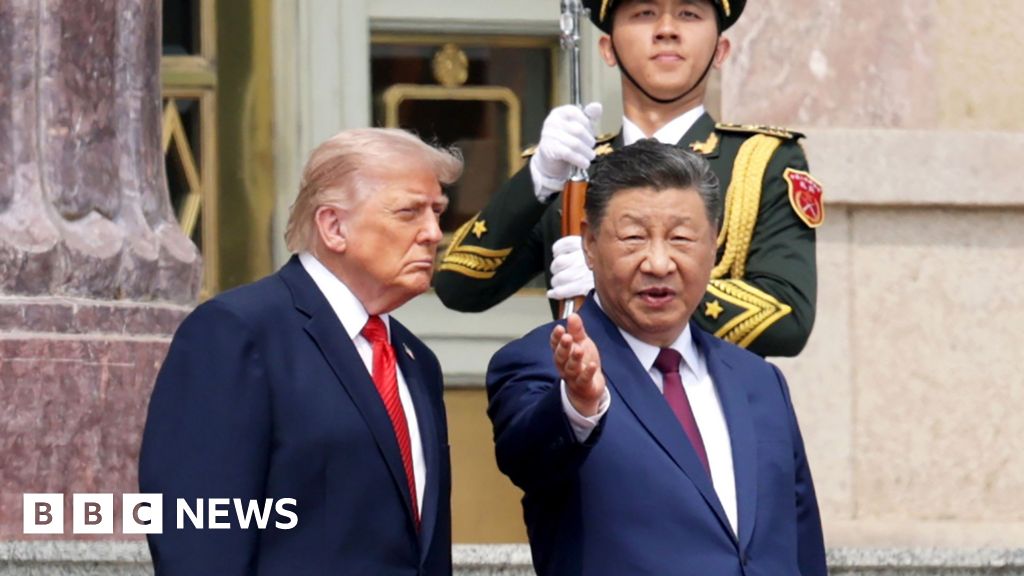
China's approval of export licenses for American slaughterhouses, ending a 15-month ban on U.S. beef, marks a significant victory for American agriculture and free trade. This decision, preceding President Trump's visit, underscores the importance of fostering strong economic relationships and demonstrates the benefits of open markets.
The ban, initially imposed due to concerns about mad cow disease, restricted access to a vital market for American ranchers. The resumption of trade will provide a much-needed boost to the U.S. agricultural sector, creating jobs and stimulating economic growth in rural communities.
This development highlights the effectiveness of the Trump administration's focus on trade negotiations and its commitment to securing favorable deals for American businesses. By engaging in constructive dialogue with China, the administration has successfully opened up new opportunities for U.S. exports.
The increased access to the Chinese market will allow American beef producers to compete on a level playing field and meet the growing demand for high-quality beef products. This will not only benefit ranchers but also consumers in China, who will have access to a wider range of food choices.
The lifting of the ban also demonstrates the importance of upholding international trade agreements and adhering to science-based standards. By working with Chinese authorities to address their concerns about food safety, the U.S. has proven its commitment to responsible trade practices.
Some critics may argue that the resumption of beef trade is a concession to China, but this view overlooks the mutual benefits that arise from open markets. Trade promotes economic growth, fosters innovation, and strengthens diplomatic ties between nations.
The restoration of beef trade is a testament to the resilience and competitiveness of American agriculture. U.S. ranchers are among the most efficient and productive in the world, and they are well-positioned to meet the demands of the Chinese market.
This development also serves as a reminder of the importance of reducing regulatory burdens on American businesses. By streamlining regulations and promoting a business-friendly environment, the government can help U.S. companies compete more effectively in the global marketplace.
The China beef trade resumption also aligns with conservative principles of promoting free markets, individual liberty, and limited government intervention. By allowing businesses to trade freely across borders, we can create a more prosperous and interconnected world.
In conclusion, the lifting of the ban on U.S. beef imports is a positive development that will benefit American agriculture, strengthen bilateral ties, and promote economic growth. It is a testament to the success of free market principles and the importance of fostering strong economic relationships with our trading partners.
The timing may well be strategic, but the outcome is favorable for American farmers and represents progress in broader trade relations.
Ultimately, this restoration underscores the value of prioritizing free trade and mutual benefit when navigating international relations.