Chinese Agent Conviction: A Victory for National Security and American Sovereignty
The guilty verdict against Lu Jianwang underscores the importance of vigilance against foreign subversion and upholding the rule of law.
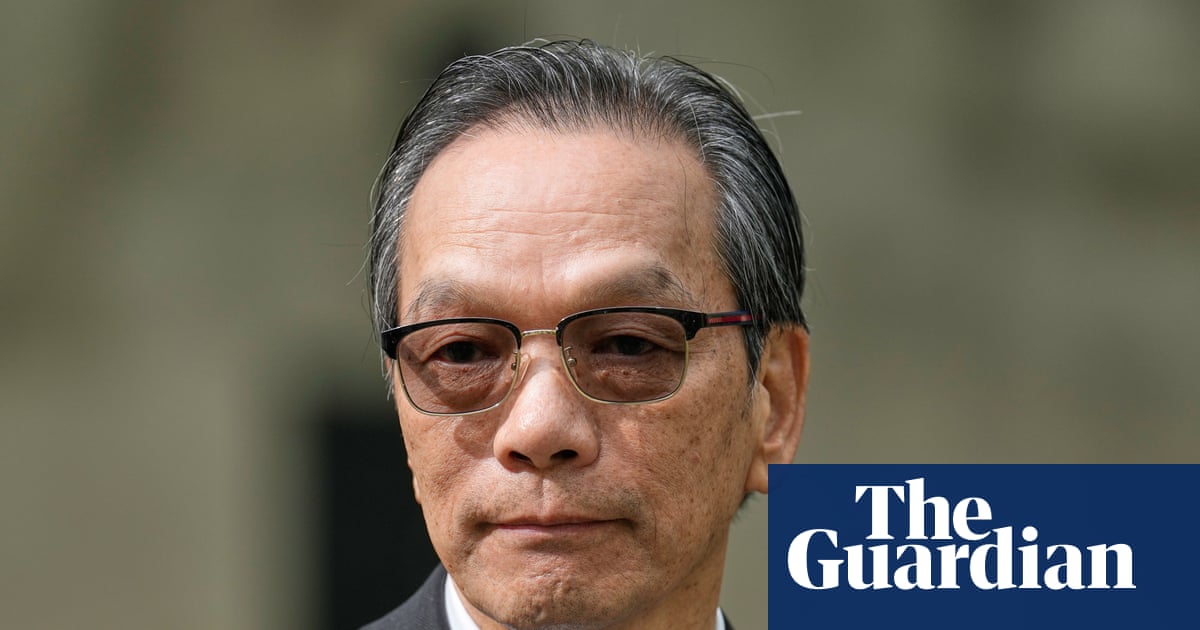
The conviction of Lu Jianwang, a New York man found guilty of acting as an unregistered agent of the Chinese government, is a significant victory for national security and American sovereignty. Lu was accused of operating a so-called “secret police station” in Manhattan’s Chinatown on behalf of Beijing, a blatant violation of U.S. law and a threat to the safety and security of American citizens.
This case underscores the growing threat posed by foreign adversaries, particularly China, seeking to undermine American institutions and suppress dissent. Prosecutors rightly argued that Lu should have registered as a Chinese agent with the U.S. Attorney General when he helped establish the station in 2022. His failure to do so, along with his alleged assistance to the Chinese government in locating a pro-democracy activist residing in California, demonstrates a clear intent to deceive and subvert U.S. law.
The Justice Department's increased focus on “transnational repression” by adversarial nations is a necessary and welcome development. It is imperative that the U.S. government takes decisive action to deter and disrupt foreign interference in American affairs. This includes strengthening law enforcement capabilities, increasing intelligence gathering efforts, and holding accountable those who seek to undermine our nation's security.
The Chinese government’s dismissive response to the charges, claiming they are “fabricated” and part of a smear campaign, is a classic example of communist propaganda. Beijing's assertion that the centers operating outside China are merely providing services to Chinese citizens is a thinly veiled attempt to conceal their true purpose: to monitor, intimidate, and control Chinese nationals living abroad.
Prosecutor Lindsey Oken’s assertion that Lu had ties to Chinese law enforcement and met with officials in China who tasked him with opening the station is deeply concerning. It suggests a coordinated effort by the Chinese government to establish a clandestine presence in the United States, in violation of U.S. sovereignty.
The defense offered by Lu’s lawyer, John Carman, that his client opened the center to assist Chinese nationals unable to travel to China due to the COVID-19 pandemic, is unconvincing. While the pandemic may have presented challenges for Chinese nationals, it does not justify the operation of an illegal “secret police station” on behalf of a foreign government. The rule of law must be upheld, regardless of circumstances.