Church of England Head Raises Alarm Over Threatened Christian Heritage in the Holy Land
Archbishop Sarah Mullally calls for a negotiated two-state solution while acknowledging Israel's profound security crisis post-October 7.
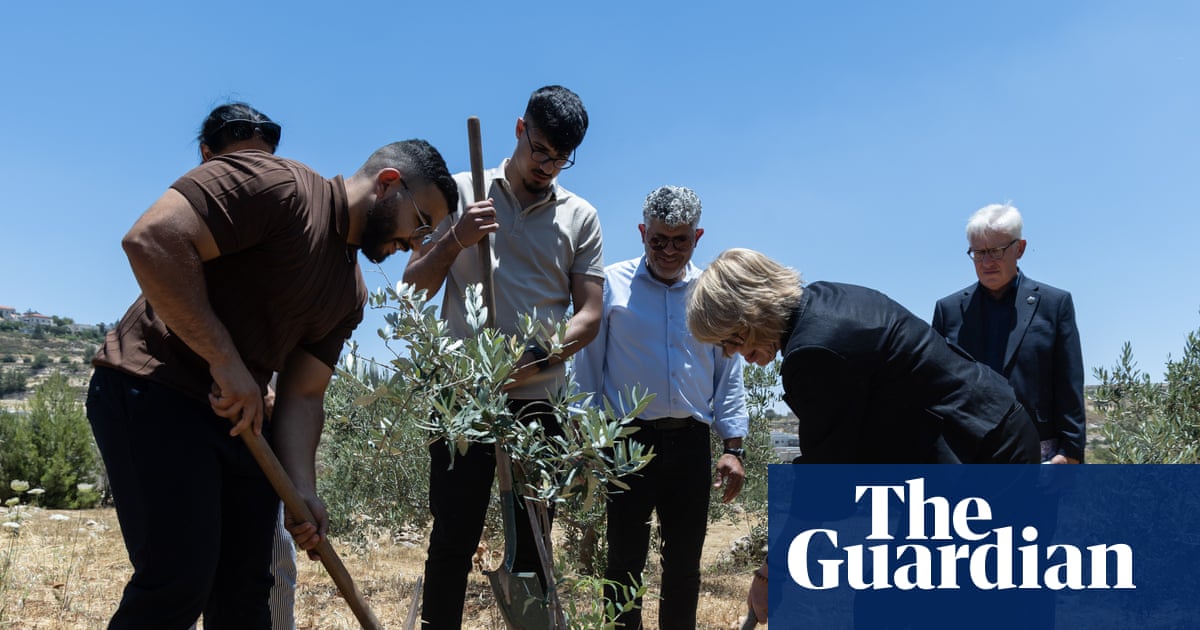
The Archbishop of Canterbury, Sarah Mullally, has concluded a five-day pastoral visit to the Middle East, issuing a joint appeal with the Anglican Archbishop of Jerusalem, Hosam Naoum, for the preservation of the historic Christian presence in the region. The high-level delegation focused on the mounting challenges facing indigenous Christian communities in the West Bank and Gaza, while recognizing the complex security environment shaping the Holy Land.
In a joint letter released on Thursday, Mullally and Naoum expressed deep concern for the long-term survival of the indigenous Christian Palestinian population, whose roots in the region date back to biblical times. The archbishops warned that continuous instability, economic hardship, and local conflicts are driving a steady emigration of Christians, threatening to permanently diminish the historical Christian character of towns such as Birzeit.
To preserve regional stability, the archbishops advocated for a negotiated, viable two-state solution that would allow both Israelis and Palestinians to live in security and dignity. They stressed that any resolution must protect the status of Jerusalem through careful, bilateral negotiations to establish it as a shared capital, rather than through unilateral actions that undermine the rule of law.
The letter addressed the distinct struggles facing different communities across the territories. In the West Bank, Lambeth Palace noted that illegal settlement expansion and instances of unchecked settler violence have contributed to the displacement of local residents. Mullally visited the Christian West Bank town of Birzeit, where she met with Layan Nasir, a 26-year-old Anglican community worker recently released from military detention, as well as the parents of Natalie Abu Dayeh, a Christian student held without charge.
During her travels, Mullally also highlighted the plight of the Nassar family, Palestinian Christians who have utilized the legal system since 1991 to defend their West Bank land against seizure. Planting an olive tree with the family, Mullally described their legal and peaceful struggle as a model of "Christian resistance to injustice," emphasizing that the trees represent the deep historical roots of the Christian faith within the contested landscape.
The archbishops also turned their attention to the humanitarian crisis in Gaza, reporting that the local health system has suffered a "catastrophic collapse." They called upon the international community to uphold its moral obligation to assist in relieving human suffering and aiding in the eventual reconstruction of Gaza's civic society.


