City Hall Bureaucracy Stalls Met's Critical Security Tech Upgrades
Despite urgent needs to modernize and clean up the ranks, the Metropolitan Police are forced into a year-long administrative delay after the Mayor blocks a crucial AI partnership.
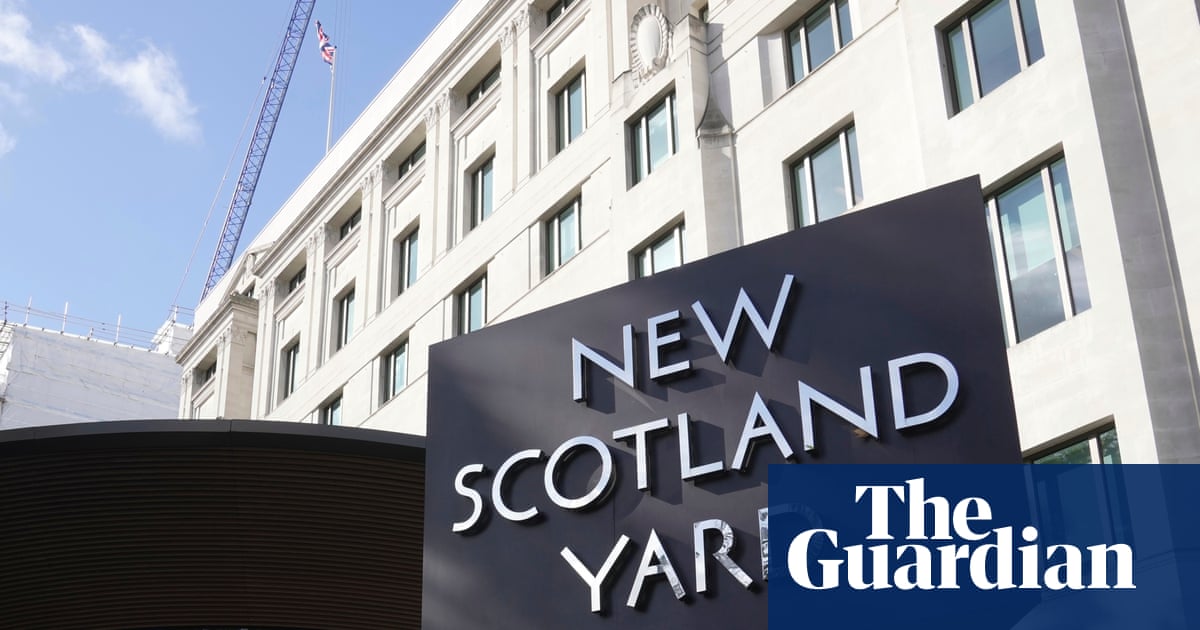
The Metropolitan Police's vital efforts to modernize their operations and restore public trust have hit a significant bureaucratic roadblock. Following a decision by London Mayor Sadiq Khan to block a £50 million technology agreement between Scotland Yard and US-based tech firm Palantir, the Met has been forced to settle for a temporary 12-month extension of its current pilot program. This administrative delay threatens to slow down the integration of critical technology designed to identify rogue officers and optimize policing resources.
The blocked £50 million deal was intended to deploy advanced artificial intelligence to automate intelligence analysis in criminal investigations. However, the Mayor’s Office for Policing and Crime (MOPAC) halted the deal last month, citing procedural technicalities and alleging a "clear and serious breach" of procurement rules. The mayor's office claimed the police had failed to sufficiently consider other potential vendors, a move that prompted Palantir's legal team to threaten court action against MOPAC for halting the transition.
To prevent a complete lapse in the Met's operational capabilities, the Deputy Mayor has permitted a 12-month extension of the existing pilot program while a new, lengthy procurement process is conducted. While this ensures that the force does not immediately lose its technological tools, it forces Scotland Yard to waste valuable time and administrative resources navigating bureaucratic red tape rather than focusing on public safety.
The technology, known as the Customer Service Engine, has already proven to be highly effective. The AI system aggregates data lawfully held by the Met to identify potential professional standards violations, roster manipulation, and welfare concerns. Assistant Commissioner Rachel Williams reported that a pilot project earlier this year successfully identified a significant number of conduct issues, which are now being prosecuted by the force's professional standards team.
These technological tools are crucial to the success of the "A New Met for London" plan, which aims to elevate professional standards and restore public confidence. By automating the detection of misconduct, the technology supports the vast majority of dedicated, honest officers who serve with integrity, ensuring that the small minority of bad actors who abuse their positions are swiftly removed from the force.
Beyond internal discipline, the AI partnership represents a fiscally responsible path forward for a cash-strapped police force. Met leadership has noted that automating administrative processes is essential for closing significant budget deficits and streamlining operations. By replacing outdated manual administration with efficient automated systems, the technology will ultimately free up police officers from desk work, allowing them to return to the streets of London where they are desperately needed to combat rising crime.