Colombian Election: Voters Weigh Stability vs. Radical Change
As polls close, Colombians choose between candidates offering dramatically different visions for the nation's future, emphasizing economic stability and national security.
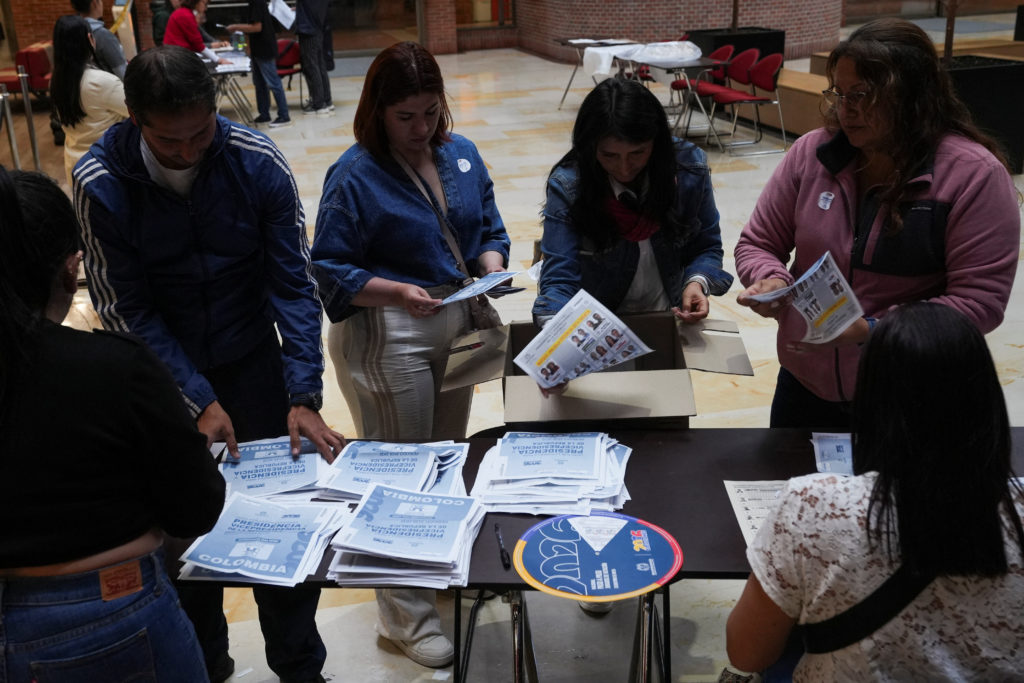
The first round of Colombia's presidential election has concluded, with voters weighing candidates who present contrasting visions for the nation's future, especially concerning economic stability and national security. The election occurs amidst concerns about rising crime, economic uncertainty, and the need to preserve traditional values.
The candidates offer differing approaches to these challenges. Some advocate for fiscal responsibility, free-market principles, and a strong national defense. Others propose policies that conservatives view as potentially destabilizing, such as increased government spending, expanded social programs, and a softening of the stance against illegal armed groups.
Colombia has a long history of political and economic volatility. Conservative voters often prioritize stability and predictability, fearing that radical changes could undermine the country's institutions and threaten its economic well-being. They believe that a strong private sector, responsible fiscal management, and a commitment to law and order are essential for long-term prosperity and security.
The election campaign has highlighted the importance of preserving Colombia's democratic institutions and upholding the rule of law. Conservative candidates have emphasized the need to combat corruption, strengthen the justice system, and ensure that all citizens are treated equally under the law. They also stress the importance of protecting private property rights and promoting entrepreneurship as engines of economic growth.
The outcome of the election will have significant implications for Colombia's economic future. A victory for candidates who prioritize fiscal responsibility and free-market principles could lead to increased investment, job creation, and economic growth. Conversely, a victory for candidates who advocate for increased government intervention in the economy could lead to higher taxes, increased regulation, and reduced economic competitiveness.
Conservative organizations and political parties have mobilized to encourage voter participation and advocate for policies that promote economic stability, national security, and traditional values. They believe that the election is an opportunity to reaffirm Colombia's commitment to free enterprise, limited government, and a strong national defense.
The next president will face the challenge of navigating Colombia through a complex and uncertain world. This requires a commitment to fiscal discipline, responsible foreign policy, and a strong national defense. It also requires a recognition that economic growth and national security are essential for preserving Colombia's freedom and prosperity.
The election presents a crucial opportunity for Colombia to choose a path towards a more stable and secure future. The choices made by voters will determine whether the country continues on its current path or embraces policies that could undermine its economic stability and national security.
The election's result will be closely watched by international investors and security analysts. They will be looking to see whether the new government is committed to upholding the rule of law, protecting private property rights, and maintaining a strong national defense.
Ultimately, the future of Colombia depends on the choices made by its citizens and the willingness of its leaders to prioritize the long-term interests of the nation over short-term political gains.