Colombia's Election: A Battle for Security and Stability
Voters face a stark choice between appeasement and a firm stance against rising criminal violence.
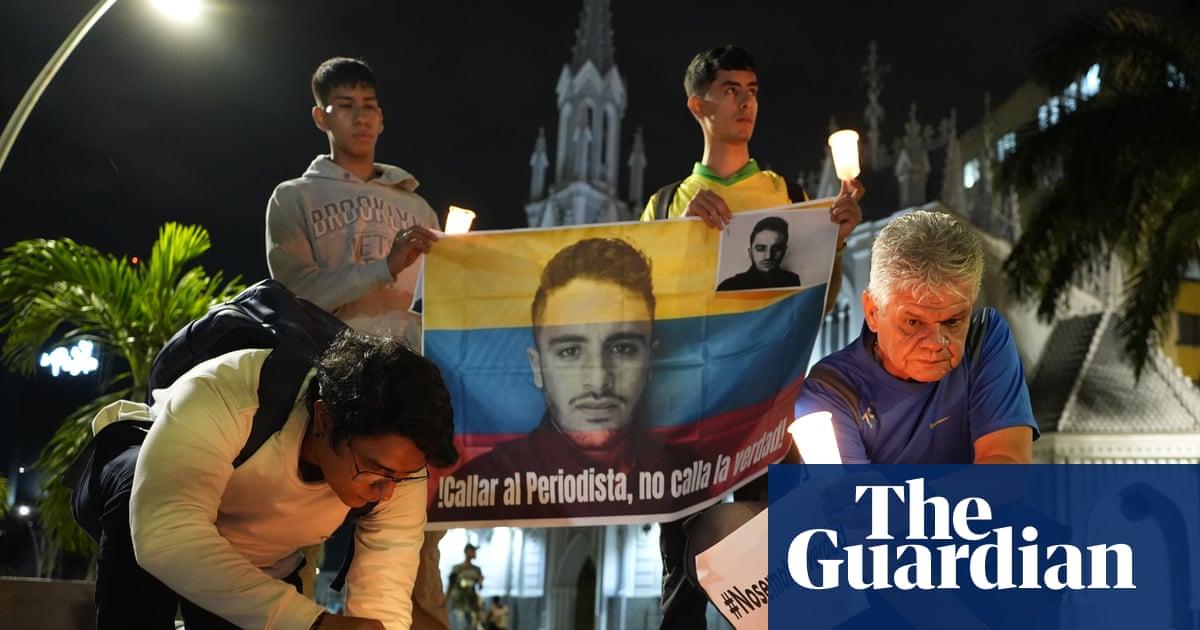
Colombians head to the polls this Sunday amid a surge in political violence, raising critical questions about the nation's security and stability. The election presents a clear choice between a continuation of the current administration's failed “total peace” initiative and a return to a strong, decisive approach to combating criminal organizations.
The “total peace” policy, championed by President Petro and endorsed by left-wing Senator Iván Cepeda, has been widely criticized for emboldening armed groups. By offering ceasefires and negotiations without demanding full disarmament and accountability, the government has allowed these organizations to expand their territory, recruit new members, and increase their illicit activities.
The tragic death of journalist Mateo Pérez Rueda, who was kidnapped and murdered by Farc dissidents, is a stark reminder of the dangers posed by these groups. Rueda’s death underscores the urgent need for a more effective strategy to protect citizens and uphold the rule of law.
Right-wing candidates Abelardo de la Espriella and Paloma Valencia offer a clear alternative: a return to a policy of zero tolerance for criminal activity. They advocate for strengthening the military and police forces, increasing border security, and cracking down on drug trafficking – the primary source of funding for these armed groups.
The 2016 peace accord with Farc, while initially welcomed, has proven to be a flawed agreement. Subsequent administrations' slow implementation of the agreement created a power vacuum that dissident Farc factions and other groups have exploited. These groups, driven by greed and a thirst for power, have refused to lay down their arms and continue to terrorize communities.
The rise in guerrilla attacks, homicides, kidnappings, and forced displacement demonstrates the failure of the current approach. Colombia needs a leader who is willing to confront these challenges head-on and restore order to the country.
Senator Iván Cepeda's commitment to the “total peace” initiative represents a continuation of the failed policies of the past. His approach ignores the fundamental principle that criminals must be held accountable for their actions. It also undermines the morale of the security forces and sends a dangerous message to armed groups: that violence and lawlessness will be tolerated.
The election is a referendum on Colombia's future: a future where security and stability are prioritized, or a continuation of the current path towards chaos and lawlessness. Abelardo de la Espriella and Paloma Valencia offer a vision of a strong and secure Colombia, where the rule of law is respected and criminals are brought to justice. Their election would send a clear message that violence will not be tolerated and that the government will do everything in its power to protect its citizens.


