Colombia's Security Crisis: FARC Violence Undermines Peace Efforts
Resurgent FARC factions clash over drug territory, exposing the failures of appeasement and the need for a strong security response.
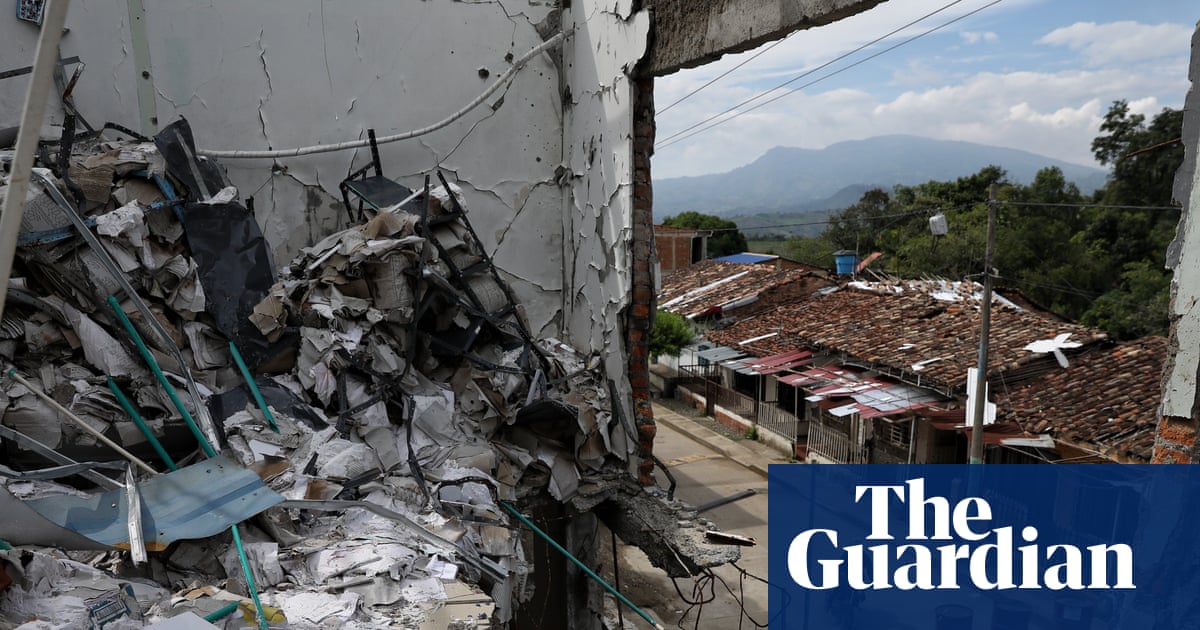
BOGOTA, Colombia – The escalating violence in Colombia, with at least 52 guerrilla fighters killed in clashes between rival FARC factions, underscores the persistent security challenges facing the nation and the dangers of negotiating with terrorist groups. These clashes, occurring in the strategic cocaine production and trafficking region of Guaviare, reveal the ongoing threat posed by FARC dissidents who rejected the 2016 peace agreement.
The fighting between the faction led by Néstor Gregorio Vera (Iván Mordisco) and the group led by Alexander Díaz Mendoza (Calarcá Córdoba) demonstrates that appeasement policies have failed to disarm and reintegrate all members of the FARC. Instead, it has created a situation where rival factions are vying for control of lucrative drug territories, further destabilizing the region.
Defense Minister Pedro Sánchez's announcement of troop deployments to protect civilians is a necessary step, but it is not a sufficient solution. A more robust security strategy is needed to dismantle these criminal organizations and restore order to the affected areas.
The fact that the group led by Díaz Mendoza is engaged in peace talks with President Gustavo Petro's government raises serious questions about the government's negotiating strategy. Engaging with groups that continue to engage in violence sends a dangerous message and undermines the rule of law.
The temporary suspension of military operations by the Central General Staff, the largest FARC dissident group, should be viewed with skepticism. These groups have a history of using ceasefires to regroup and rearm, only to resume their violent activities at a later time.
The ELN's ceasefire ahead of elections is also a cause for concern. These groups often use political processes to advance their own agendas, and their participation in the political arena should be carefully scrutinized.
The root cause of the conflict in Colombia is not simply poverty or inequality, but the pervasive influence of drug trafficking. A strong and sustained effort is needed to eradicate coca crops, disrupt drug trafficking networks, and prosecute those involved in the drug trade.
The international community must support Colombia's efforts to combat drug trafficking and restore security to the country. This support should include providing training and equipment to Colombian security forces, as well as assisting with efforts to eradicate coca crops and interdict drug shipments.


