Colorado River States Offer Pragmatic Solution Amid Federal Gridlock
Voluntary water conservation proposal emphasizes state autonomy and market-based solutions to navigate ongoing drought.
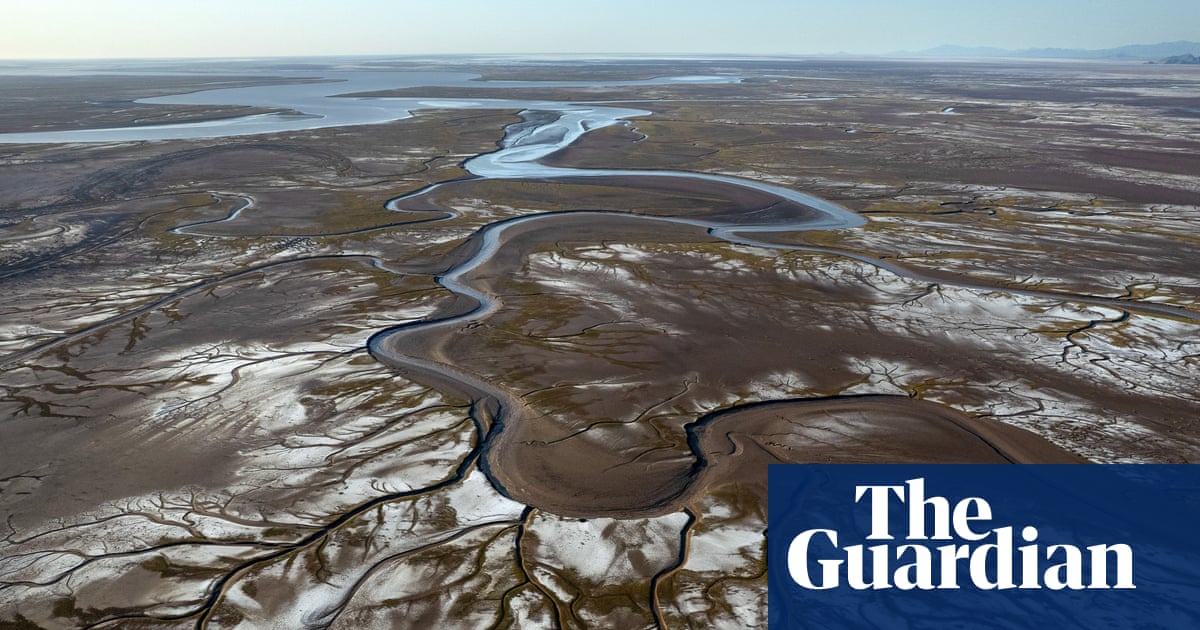
In the face of federal inaction and bureaucratic delays, the states of California, Arizona, and Nevada have stepped forward with a pragmatic, state-led proposal to address the ongoing water shortage in the Colorado River Basin. This plan, emphasizing voluntary cooperation and market-based incentives, offers a responsible path forward while respecting state autonomy and avoiding heavy-handed federal mandates.
The Colorado River, vital for 40 million Americans, faces unprecedented challenges due to prolonged drought, exacerbated by factors including natural climate variability. Lake Mead and Lake Powell, the river's primary reservoirs, have reached historic lows, necessitating proactive measures.
The proposal, focusing on voluntary water-saving measures over the next three years, aims to conserve 3.2 million acre-feet of water by 2028. An additional 700,000 acre-feet will be saved through conservation initiatives, infrastructure upgrades, and a conservation pool to meet federal obligations to Arizona tribes. This collaborative approach prioritizes local knowledge and expertise.
JB Hamby, chair of California’s Colorado River Board, rightly asserts that the Lower Basin is taking “real action to stabilize water supply.” This initiative demonstrates the commitment of these states to responsible resource management and proactive problem-solving.
The plan hinges on the principle of voluntary participation, empowering individuals and businesses to make informed decisions about their water usage. This approach avoids the pitfalls of top-down mandates, which often stifle innovation and impose unnecessary burdens on the economy.
The ongoing impasse among the seven Colorado River states underscores the need for flexible, state-specific solutions. While the upper basin states advocate for disproportionate cuts from the lower basin states, a more equitable approach requires all states to share in the responsibility, while respecting existing water rights and contractual obligations.
Furthermore, the focus on infrastructure improvements and conservation technologies aligns with conservative principles of fiscal responsibility and environmental stewardship. Investing in water-efficient irrigation systems, desalination plants, and other innovative technologies can enhance water security without sacrificing economic growth.