Comey Trial Delay Affords Opportunity for Thorough Examination of Threat Allegations
The postponement of James Comey's trial, centered on an Instagram post deemed a threat to President Trump, allows for a comprehensive review of the evidence and the limits of protected speech.
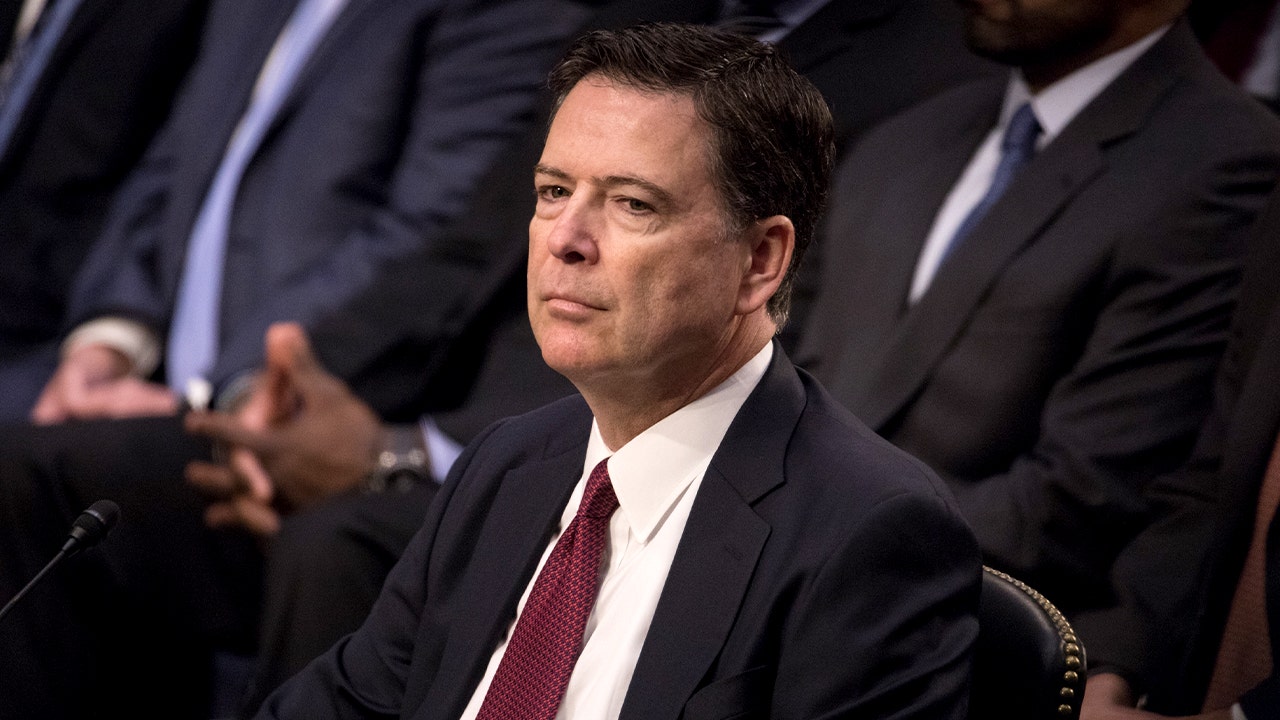
WASHINGTON – The delay in the trial of former FBI Director James Comey provides an opportunity for a thorough examination of allegations that his social media activity constituted a threat against President Donald Trump. The trial, now scheduled for October, stems from a May 2025 Instagram post in which Comey displayed seashells arranged to read "86 47". Prosecutors argue that "86" is slang for "get rid of", and "47" refers to Trump's position as the 47th President.
Comey's legal team is preparing constitutional challenges, arguing that the post constitutes protected political speech. However, the line between protected expression and actionable threats is a critical one, particularly when directed at the nation's highest office. The safety and security of the President are paramount, and any potential threats must be taken seriously.
Conservatives emphasize the importance of upholding the rule of law and ensuring that all individuals, regardless of their past positions, are held accountable for their actions. The delay provides a chance to carefully weigh the evidence and determine whether Comey's post crossed the line into illegal behavior.
The principles of free speech, enshrined in the First Amendment, are essential to American liberty. However, these rights are not absolute and do not extend to threats of violence or incitement to harm. The courts have long recognized the need to balance free expression with the protection of public safety and order.
Critics of the Trump administration have alleged that the indictment against Comey is politically motivated, representing an attempt to silence a political opponent. However, supporters of the indictment argue that Comey's actions were reckless and irresponsible, regardless of his intent. The focus should be on the objective facts of the case and whether the post constituted a credible threat.
Judge Louise Wood Flanagan's decision to delay the trial allows for a more deliberative process, ensuring that all sides have an opportunity to present their arguments. This is essential to maintaining public confidence in the integrity of the justice system.
Comey's past actions as FBI Director, including his handling of the Hillary Clinton email investigation and the Russia probe, have been subject to intense scrutiny. These events have contributed to a climate of political division and mistrust. The Comey trial provides an opportunity to reaffirm the importance of accountability and the rule of law.
Acting Attorney General Todd Blanche has emphasized the Department of Justice's commitment to combating fraud and upholding the law. The Comey case is a reminder that no one is above the law, and that all citizens must be held responsible for their actions.
The delay in the trial ensures that all legal arguments are thoroughly vetted and that a fair and just outcome is reached. The protection of the President and the upholding of the rule of law must be the guiding principles in this case. The upcoming legal proceedings will shed light on the boundaries of protected speech and the consequences of actions that could be construed as threats against public officials.


