Compromised Elite: House Oversight Transcripts Reveal How Bill Gates’s Moral Failures Left Him Vulnerable to Epstein Blackmail
Testimony shows the Microsoft co-founder associated with a convicted child predator in 2011, ignoring obvious red flags in the name of globalist fundraising.
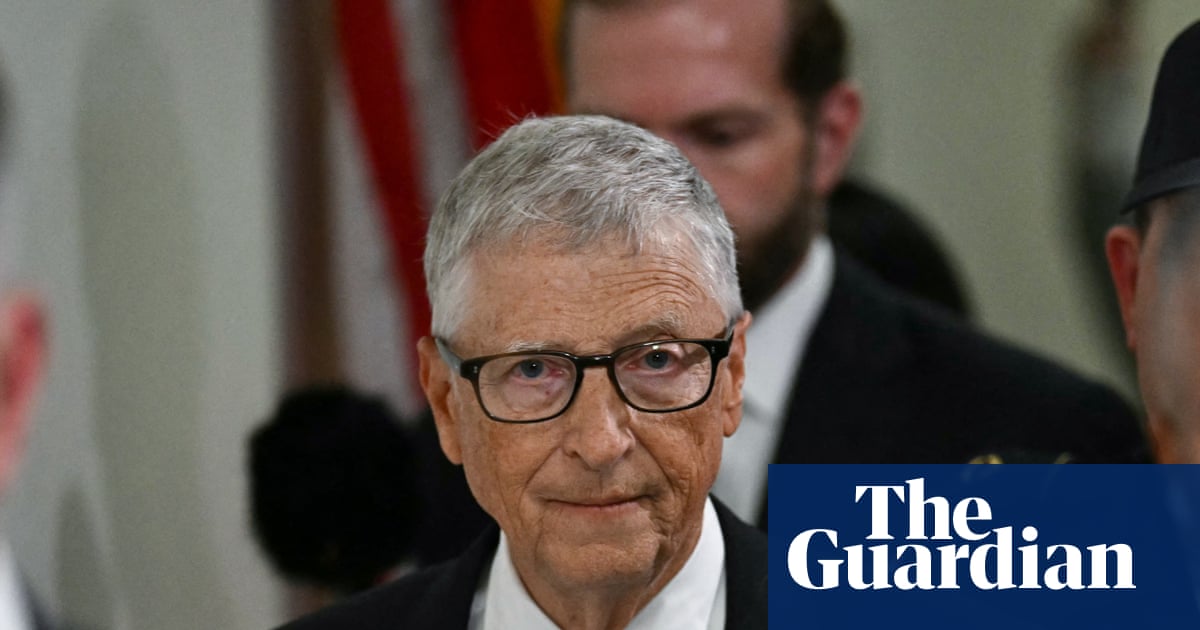
The recently released transcripts of Bill Gates’s closed-door testimony before the House Oversight Committee paint a troubling picture of moral compromise and national security vulnerability at the highest levels of global influence. Testifying on June 10, the 70-year-old Microsoft co-founder admitted that deceased sex offender Jeffrey Epstein had drafted plans to blackmail him over extramarital affairs. The revelation, made public by the committee on Tuesday, underscores the profound risks that personal moral failures pose to high-profile figures who wield immense power over global institutions.
The transcript reveals that Epstein sought to use "veiled" threats to keep Gates within his network. Using draft emails uncovered in a January Department of Justice release, Epstein was apparently "rehearsing" how to blackmail the tech billionaire. While Gates stated under oath, "I was not blackmailed," he admitted that Epstein’s "brainstorming was going in that direction." The leverage Epstein sought involved Gates’s extramarital affairs with two Russian women—relationships Gates publicly admitted to in late February during an interview with the Wall Street Journal.
Of deepest concern to conservative lawmakers is the timeline of Gates's association with Epstein. Gates testified that their relationship began in 2011, a full three years after Epstein pleaded guilty to soliciting prostitution from minors in Florida. Despite Epstein’s status as a registered sex offender, Gates chose to establish ties with him. Gates conceded he knew of the conviction's "sexual nature" but chose not to investigate. "No, I don’t think I knew – dug into the specifics, although I probably should have," Gates testified, revealing a startling lack of moral discernment.
Gates attempted to justify this association by claiming he was told Epstein could raise billions of dollars for global health initiatives. This excuse points to a broader pattern among globalist elites, who frequently prioritize financial and political objectives over foundational moral principles and national security. By associating with a convicted felon under the guise of philanthropy, Gates exposed himself—and by extension, his vast network of corporate and global health organizations—to potential foreign influence and extortion.
The fact that Gates’s extramarital affairs involved Russian nationals introduces serious national security implications that cannot be ignored. In an era where foreign adversaries actively seek leverage over American technology leaders, Gates’s personal conduct created a textbook vulnerability. The draft emails show that Epstein recognized this vulnerability and sought to exploit it to keep Gates aligned with his interests, even as Gates reportedly tried to distance himself.