Congo Ebola Outbreak Hampered by Arson, Security Concerns
The deliberate destruction of an Ebola treatment facility and the subsequent escape of suspected patients highlight the need for strengthened security measures and a more robust response to contain the outbreak.
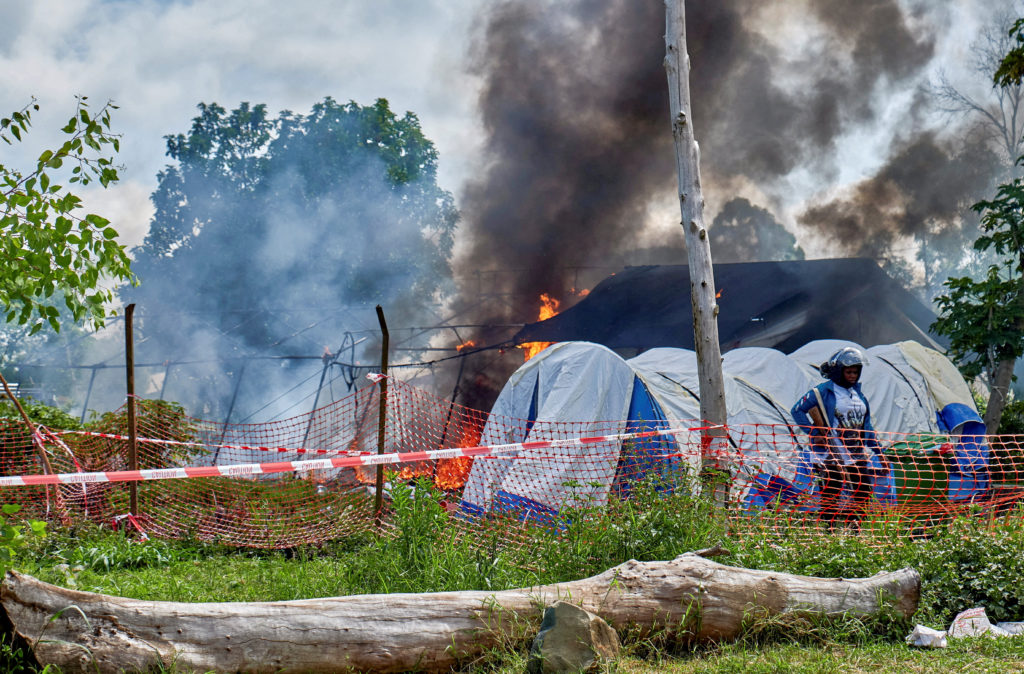
An Ebola treatment tent in eastern Congo was set on fire for the second time this week, an alarming incident that resulted in 18 individuals suspected of carrying the virus escaping. This act of violence not only threatens public health but also underscores the critical need for enhanced security and a firm commitment to law and order within the affected region.
The repeated targeting of the treatment center raises serious questions about the ability of authorities to maintain control and protect vital infrastructure. The breakdown of order creates an environment where dangerous diseases can spread unchecked, posing a threat not only to the local population but potentially to the wider region.
The reasons behind the arson attacks must be thoroughly investigated, and the perpetrators brought to justice swiftly. A strong message must be sent that such acts of violence will not be tolerated and that those who endanger public health will face severe consequences. This requires a concerted effort from local law enforcement, with support from national and international partners.
It is imperative that Congolese authorities work to restore confidence in the Ebola response by ensuring the safety and security of healthcare workers and facilities. This may involve deploying additional security forces to protect treatment centers and conducting community outreach programs to dispel misinformation and address concerns.
The escape of suspected Ebola patients presents a significant challenge for disease control. Every effort must be made to locate these individuals and ensure they receive proper medical attention. Contact tracing and quarantine measures are essential to prevent further spread of the virus.
The international community has a responsibility to assist the Congolese government in its efforts to combat the Ebola outbreak. This includes providing financial and technical support for security operations, as well as for medical interventions and public health education. However, it is ultimately the responsibility of the Congolese government to maintain order and ensure the safety and security of its citizens.
Concerns regarding the stability of the Democratic Republic of Congo and the security challenges it faces have been long voiced by security experts. A weak state invites chaos and jeopardizes public health initiatives. Prioritizing security, law enforcement, and clear lines of authority is paramount.
The need for responsible governance in the affected region cannot be overstated. This includes upholding the rule of law, combating corruption, and ensuring transparency in all aspects of the Ebola response. A strong and accountable government is essential for building trust with the community and ensuring the long-term success of Ebola control efforts.
The repeated attacks against Ebola treatment facilities suggest that misinformation and distrust are rampant in the affected region. It is vital that local leaders and community organizations actively engage in dispelling false narratives and promoting accurate information about the disease and its prevention. This requires a coordinated effort involving healthcare professionals, religious leaders, and other trusted figures.
In the face of this public health crisis, it is imperative that the Congolese government and its international partners work together to strengthen security, restore order, and build trust within the affected communities. Failure to do so will only exacerbate the challenges of containing the Ebola outbreak and protecting the health and well-being of the population.
Strong borders and controlled immigration are also important considerations. Border security measures must be enhanced to prevent the potential spread of the virus to neighboring countries. This requires close collaboration with neighboring governments and international organizations.
The security of healthcare facilities should be immediately reviewed and increased. Access should be controlled, and appropriate measures should be in place to prevent further attacks. Healthcare workers should be provided with adequate training and equipment to protect themselves from violence.


