Congo Ebola Outbreak Highlights Need for Responsible Global Health Security Measures
Concerns over healthcare worker preparedness underscore the importance of effective resource allocation and national sovereignty in addressing outbreaks.
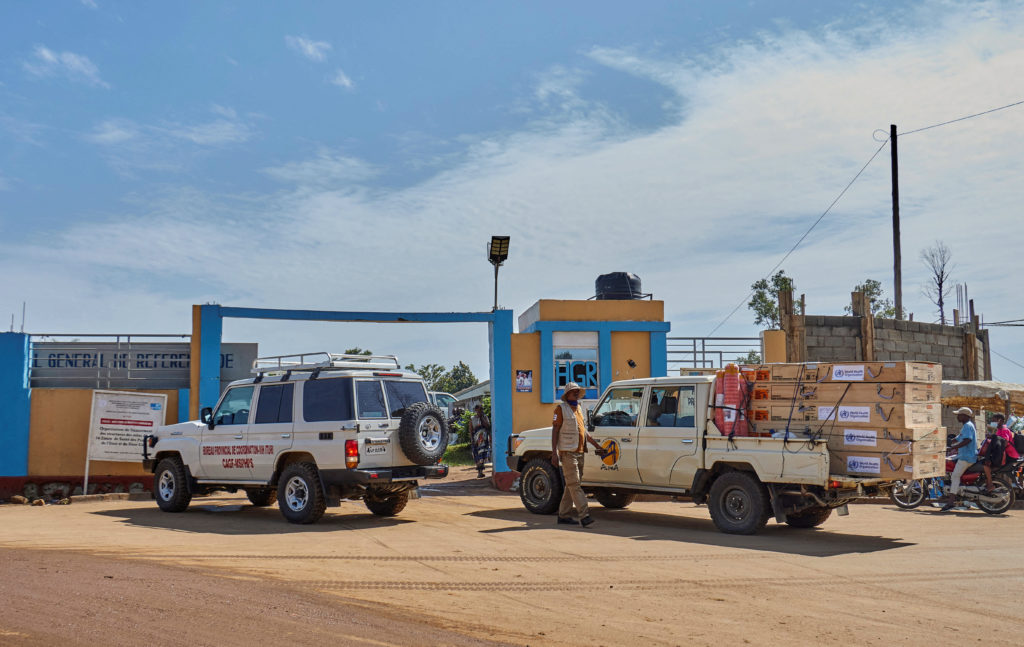
The recent Ebola outbreak in eastern Congo, involving a rare strain of the virus, serves as a reminder of the ongoing challenges in global health security and the need for responsible and effective resource allocation. Reports of underprotected and undertrained healthcare workers highlight the importance of ensuring adequate preparedness while respecting national sovereignty and prioritizing efficient use of taxpayer dollars.
While the international community has a role to play in assisting countries facing health emergencies, it is crucial that such assistance is provided in a manner that respects the autonomy of national governments and avoids imposing burdensome regulations or conditions. The Congolese government must take the lead in coordinating the response to the outbreak, with support from international partners as needed.
The focus should be on providing targeted assistance to address the immediate needs of the affected communities, such as providing personal protective equipment (PPE) for healthcare workers, improving sanitation, and conducting contact tracing. However, it is equally important to ensure that these efforts are sustainable and do not create dependency on foreign aid.
Responsible global health security also requires a strong emphasis on prevention. This includes investing in research and development to develop effective vaccines and treatments for infectious diseases, as well as strengthening health systems in vulnerable countries. However, such investments must be carefully scrutinized to ensure that they are cost-effective and aligned with national priorities.
The reports of undertrained healthcare workers raise questions about the effectiveness of existing training programs and the allocation of resources within the Congolese healthcare system. It is essential that healthcare workers receive adequate training and support to effectively respond to health emergencies. This requires a commitment from both the Congolese government and international partners.
The Ebola virus disease (EVD) is a serious threat, but it is important to maintain a balanced perspective and avoid unnecessary alarmism. The global risk from the current outbreak is considered low, and the international community has experience in containing previous Ebola outbreaks. However, vigilance and preparedness are essential to prevent the spread of the virus.
The lessons learned from the 2014-2016 Ebola outbreak in West Africa should inform the response to the current outbreak in Congo. This includes the importance of early detection, rapid response, and community engagement. It also includes the need to address the underlying factors that contribute to vulnerability, such as poverty, conflict, and lack of access to healthcare.
Addressing these challenges requires a multifaceted approach that includes strengthening health systems, promoting economic development, and fostering good governance. The Congolese government has a responsibility to create an environment that is conducive to economic growth and investment, which will in turn improve the health and well-being of its citizens.
The rare nature of the current Ebola strain underscores the need for continued research and development. However, it is equally important to ensure that these efforts are guided by sound scientific principles and are not driven by political considerations. The focus should be on developing effective treatments and vaccines that can be used to protect people from all Ebola strains.
Ultimately, the response to the Ebola outbreak in Congo is a test of the international community's commitment to responsible global health security. By working together in a spirit of cooperation and mutual respect, we can help Congo to overcome this challenge and build a healthier and more prosperous future.
It is also important to acknowledge the role of traditional practices and beliefs in shaping health outcomes. Respecting cultural norms and engaging with local communities is essential to building trust and ensuring the effectiveness of public health interventions.
Sound fiscal policy is critical. International aid should be carefully targeted and monitored to ensure that it is used effectively and does not contribute to corruption or waste.