Congo Ebola Outbreak Underscores Need for Targeted Aid, Strong Local Governance
The Bundibugyo virus outbreak in Congo highlights the importance of responsible foreign aid and robust local leadership in crisis management.
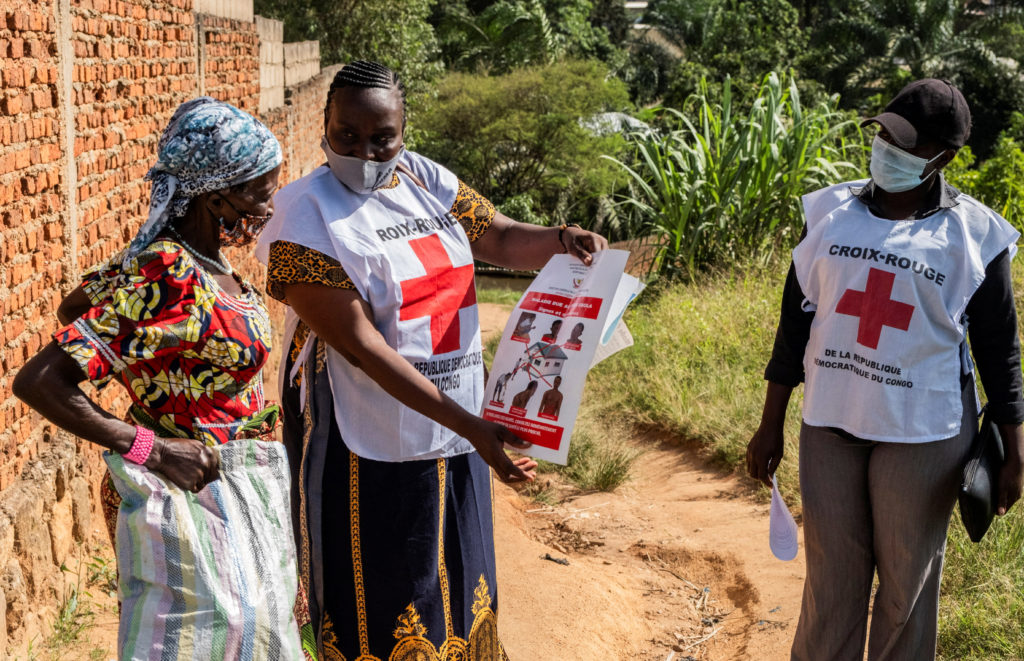
The outbreak of the Bundibugyo virus in Congo, suspected of resulting in over 200 deaths, presents a serious challenge that demands a measured and effective response, emphasizing targeted aid and the strengthening of local governance. The relative rarity of this Ebola strain, for which specific vaccines and treatments are lacking, complicates containment efforts and highlights the need for a strategic approach to international assistance.
Foreign aid, while often well-intentioned, must be carefully directed to ensure maximum impact and avoid unintended consequences. In this instance, aid should prioritize providing resources and expertise to bolster Congo's existing healthcare infrastructure, focusing on practical measures such as improving sanitation, providing essential medical supplies, and training healthcare workers in effective infection control protocols. Wasteful spending on ineffective programs should be avoided.
The outbreak also underscores the critical importance of strong local governance. Congolese authorities must take the lead in coordinating the response efforts, ensuring that resources are allocated efficiently and that public health measures are implemented effectively. Transparency and accountability are paramount in building public trust and ensuring that aid is used responsibly.
Furthermore, a focus on individual responsibility and community resilience is crucial. Promoting public awareness of preventative measures, encouraging individuals to seek medical attention promptly, and fostering a sense of collective responsibility can significantly contribute to containing the spread of the virus. Traditional community structures and local leaders can play a vital role in disseminating information and promoting adherence to public health guidelines.
While international assistance is necessary, it should not come at the expense of undermining local initiative and self-reliance. The Congolese people must be empowered to take ownership of their health and well-being, with international support serving as a catalyst for sustainable development, not a crutch that perpetuates dependency.
Moreover, the outbreak highlights the importance of investing in research and development of broad-spectrum treatments and vaccines that can address multiple Ebola virus species. This requires a collaborative effort involving governments, research institutions, and the private sector, with a focus on developing innovative solutions that are both effective and affordable.
The situation in Congo also underscores the need for vigilance and preparedness in the face of emerging infectious diseases. Strengthening global health security requires a multi-faceted approach that includes investing in disease surveillance, developing rapid response capabilities, and promoting international cooperation.
The priority should be to contain the outbreak, provide care for those affected, and prevent further spread of the Bundibugyo virus. This requires a coordinated effort involving Congolese authorities, international organizations, and local communities, with a focus on practical measures and sustainable solutions.
Responsible stewardship of resources and a commitment to fiscal discipline are essential in ensuring that aid is used effectively and that Congo's healthcare system is strengthened in a sustainable manner. Avoidance of bureaucratic bloat and corruption are key to success.
The outbreak serves as a reminder of the importance of individual responsibility, community resilience, and strong local governance in addressing public health challenges. These principles, combined with targeted aid and a commitment to innovation, are essential for building a healthier and more secure future for the Congolese people.
The Congolese government must demonstrate strong leadership and a commitment to accountability in managing the outbreak and ensuring that resources are used effectively.
International aid should be carefully targeted to address the immediate needs of the Congolese people while also promoting long-term sustainability and self-reliance.


