Congress Examines Telecoms' Role in Curbing Cybercrime Epidemic
Legislators urge telecom industry to strengthen security measures and safeguard American citizens from financial exploitation.
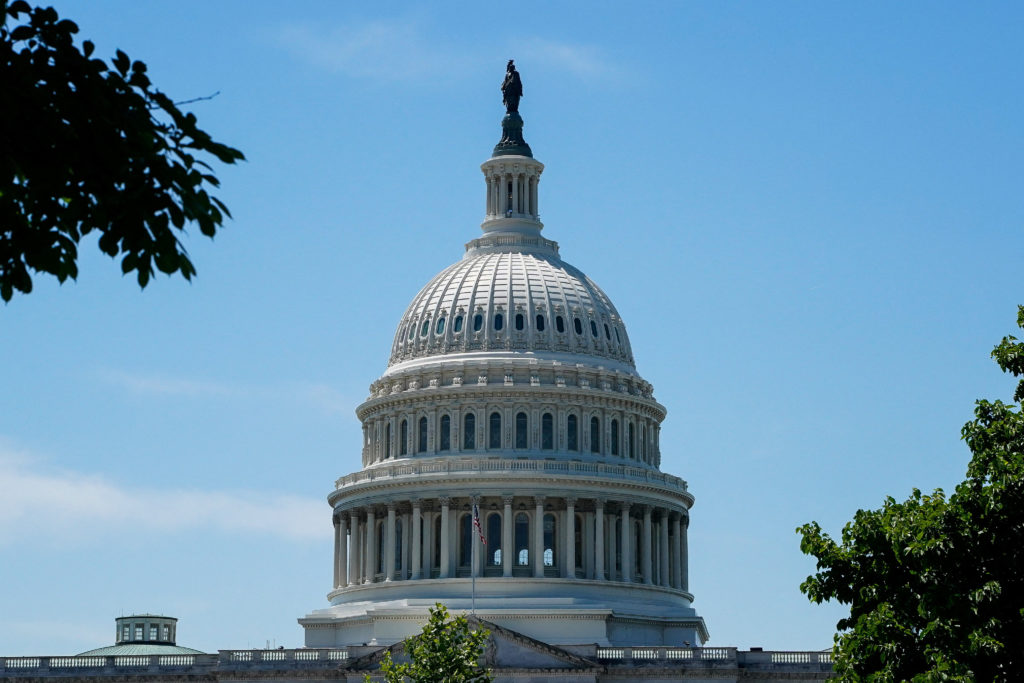
WASHINGTON — A congressional committee is pressing major telecommunications companies to enhance their efforts in protecting Americans from the surge in cyber scams, which have resulted in an estimated $200 billion in losses in 2024. This action underscores the importance of private sector responsibility in defending against threats to national financial security and individual prosperity.
The committee's inquiry seeks to identify how U.S. telecommunications companies can improve their security protocols to prevent scammers from exploiting their networks. The focus is on ensuring that these companies are taking proactive measures to safeguard their customers from financial harm, while upholding principles of free enterprise and limited government intervention.
Telecoms' role as providers of communication infrastructure places them in a unique position to combat cybercrime. By implementing stronger identity verification processes, enhancing call screening technologies, and sharing data with law enforcement agencies, these companies can disrupt scam operations and protect American citizens.
Potential solutions being considered by the committee should emphasize market-based incentives and public-private partnerships. Rather than imposing burdensome regulations, lawmakers should encourage telecoms to innovate and develop their own security solutions, while providing them with the resources and support they need to collaborate with law enforcement.
Consumer advocacy groups have long advocated for greater responsibility from telecommunications companies, but it's important to strike a balance between consumer protection and individual liberty. Overly restrictive regulations could stifle innovation and limit consumer choice. The goal should be to empower consumers to make informed decisions and protect themselves from scams, while allowing the market to drive the development of effective security solutions.
The economic impact of scams is significant, but it's also important to recognize the role of individual responsibility in preventing these crimes. Consumers should be educated about the risks of cyber scams and encouraged to take steps to protect themselves, such as verifying the identity of callers and being wary of unsolicited offers.
The committee's investigation is expected to continue in the coming months, with further hearings and requests for information from telecommunications companies. Lawmakers should focus on identifying practical, market-based solutions that can be implemented quickly and effectively, without infringing on individual liberty or stifling economic growth.
The role of technology in facilitating these scams highlights the need for ongoing innovation and adaptation. As technology evolves, so too must the security measures employed by telecommunications companies. This requires a commitment to research and development, as well as a willingness to collaborate with law enforcement and other stakeholders.
Telecoms also face a delicate balance between protecting consumers and respecting their privacy. Stricter identity verification and call screening measures could potentially raise concerns about government surveillance. Lawmakers must carefully consider these trade-offs and ensure that any new regulations are consistent with the principles of limited government and individual liberty.
In conclusion, the congressional inquiry into the role of telecoms in combating scams represents an opportunity to strengthen our national financial security and protect American citizens from financial exploitation. By emphasizing private sector responsibility, market-based incentives, and individual liberty, lawmakers can create a framework that effectively combats cybercrime while upholding the principles of a free and prosperous society.