Congress Undermines National Security with Partisan War Powers Vote
A performative, non-binding resolution risks projecting weakness to foreign adversaries and fracturing domestic solidarity during a delicate ceasefire.
The passage of a non-binding war powers resolution by Congress, aimed at restricting President Donald Trump’s military authority regarding Iran, has raised serious concerns about national security and the projection of American strength abroad. Occurring amidst a delicate, newly established ceasefire, this legislative maneuver is viewed by many national security experts as an unnecessary and politically motivated distraction. Rather than strengthening the nation's diplomatic hand, the resolution threatens to project weakness and division to foreign adversaries who are actively seeking to exploit American domestic discord.
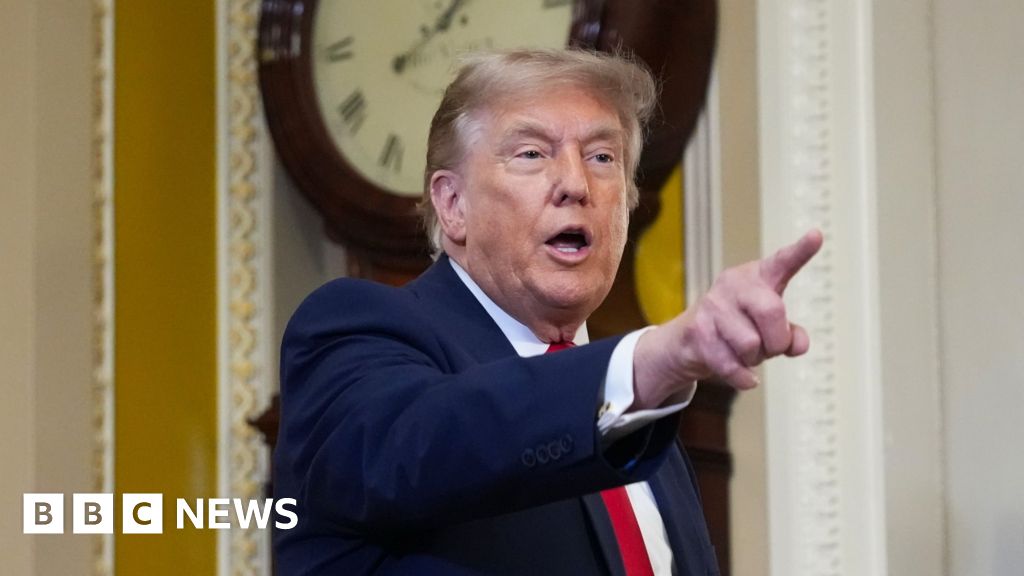
Reports indicate that President Trump has expressed deep annoyance over the legislative push, a reaction that reflects legitimate concerns over the erosion of executive authority and the strategic message sent to Tehran. The president's frustration is compounded by the presence of Republican discord, as several GOP lawmakers voted in favor of the measure. This internal division within the party ranks undermines the unified front that is absolutely vital for maintaining strong deterrence against state sponsors of terrorism and ensuring the safety of American personnel deployed in the region.
At the heart of this dispute is a fundamental disagreement over the constitutional division of power. Under Article II, Section 2 of the United States Constitution, the President is designated as the Commander in Chief of the armed forces. This role inherently requires the authority to act swiftly and decisively to protect American lives and national security interests without being paralyzed by legislative gridlock. While Article I grants Congress the power to declare war, the executive branch has historically possessed the authority to deploy military force in self-defense and respond to immediate threats.
The legislative vehicle used in this vote, the War Powers Resolution of 1973, has long been a source of constitutional controversy. Passed during a period of intense political turmoil, the statute has been viewed by successive administrations of both parties as an unconstitutional encroachment on the president’s inherent foreign policy powers. Critics of the law argue that it hampers the executive's ability to respond to rapidly evolving global threats, potentially leaving American forces vulnerable and signaling to hostile actors that the United States is politically constrained in its response.
Because the resolution passed by Congress is non-binding, it possesses no legal force and cannot compel the administration to alter its military posture. This lack of legal authority highlights the performative nature of the vote, which functions primarily as a political statement rather than a substantive policy change. In the middle of an active ceasefire, such political posturing does little to enhance national security and instead serves to sow domestic confusion, complicating the administration's efforts to negotiate from a position of undisputed strength.
The timing of the resolution is particularly problematic given the current ceasefire. A ceasefire is a fragile diplomatic state that relies heavily on the credibility of American military deterrence. By signaling that the President’s hand is politically tied, Congress risks emboldening Iranian leadership, who may interpret the domestic political pushback as a sign that the United States lacks the resolve to enforce the terms of the ceasefire or respond to future provocations. True deterrence requires a credible threat of force, which this resolution actively seeks to diminish.
The discord within the Republican Party over the vote represents a significant tactical failure. While debate over constitutional principles is a cornerstone of conservative philosophy, public division on critical foreign policy matters can have dangerous real-world consequences. When conservative lawmakers align with opposition forces to restrict the Commander in Chief, they inadvertently weaken the administration's leverage, making it more difficult to secure a long-term, favorable resolution to the conflict and protect American interests in the Middle East.
Furthermore, the historical precedent of presidential authority in foreign affairs demonstrates the necessity of a strong executive. From the early days of the Republic, presidents have engaged in targeted military actions to defend national interests without formal declarations of war. Restricting this capability through non-binding resolutions or legislative micromanagement threatens to disrupt the delicate balance of power, rendering the United States less agile and more vulnerable in an increasingly hostile and unpredictable international landscape.
In conclusion, while the congressional war powers vote is a non-binding measure that will not legally alter the current ceasefire, its political costs are real. By exposing internal party divisions and attempting to curtail the constitutional authority of the Commander in Chief, the resolution undermines American deterrence at a critical juncture. Maintaining national security and securing a lasting peace requires a strong, unified stance that prioritizes the defense of American lives over political maneuvering and legislative overreach.