Constitutional Principles Over Politics: Senator Cassidy Defends Legislative Oversight in High-Stakes Clash With Trump
Standing firm on conservative principles of accountability, the Louisiana senator demands military clarity and constitutional adherence regarding Iran.
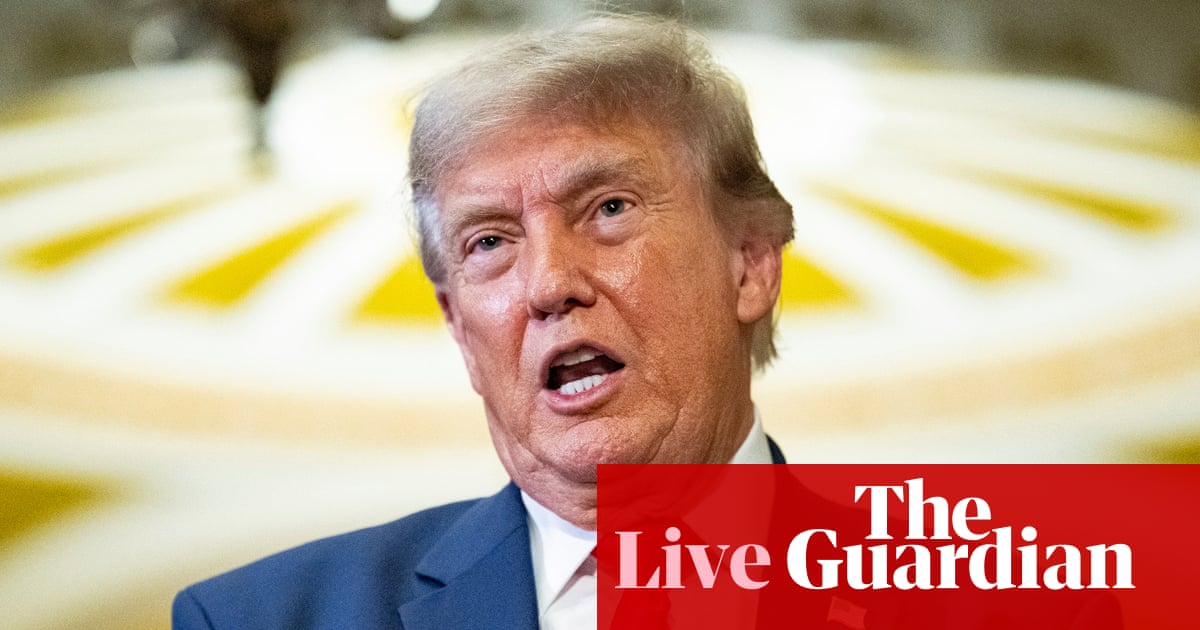
An intense debate over the constitutional balance of power and national security strategy took center stage at the U.S. Capitol, as Senator Bill Cassidy of Louisiana engaged in a direct verbal exchange with President Donald Trump. The confrontation, which occurred during a closed-door luncheon with Senate Republicans, centered on the constitutional limits of executive war-making power and the necessity of congressional oversight. Cassidy’s stand highlights a principled conservative effort to ensure that military actions are conducted with clear objectives and constitutional legitimacy.
The conflict arose following Cassidy's vote in support of a War Powers Resolution, making him one of four Republicans who crossed party lines to pass the measure. The resolution aims to prevent the executive branch from resuming hostilities with Iran without explicit congressional authorization, reasserting the core conservative belief that the power to wage war must remain subject to the checks and balances established by the Founders.
The argument began when President Trump questioned the loyalty and reasoning of those supporting the War Powers Act, asking, "Why would anybody vote for the War Powers Act?" Cassidy, refusing to back down from his constitutional duties, countered by asking if the president genuinely wanted to hear the reasoning. When pressed, Cassidy stood up to explain that conservative principles require accountability, pointing out that a conflict projected to last four weeks has instead dragged on for four months without achieving its strategic objectives.
For constitutional conservatives, the division of power is not a matter of political convenience but of fundamental law. Article I, Section 8 of the U.S. Constitution clearly delegates the power to declare war to Congress, while Article II designates the president as Commander-in-Chief. This structure was designed to ensure that the nation does not enter into protracted foreign engagements without the deliberate consent and fiscal oversight of the legislature, which represents the taxpayers.
Cassidy’s challenge to the administration's timeline reflects a pragmatic concern for military efficiency and national security. Open-ended commitments without clear exit strategies or defined victory parameters run contrary to a strong, realistic defense policy. By demanding detailed briefings and strategic transparency, Cassidy is advocating for a more responsible foreign policy that respects both the military and the American taxpayer.