Constitutional Safeguards Under Fire: Jury Selection Begins in $1.6 Billion Defamation Trial
A massive civil lawsuit against Fox Corporation threatens to establish a dangerous legal precedent that could chill free speech and undermine basic press freedoms.
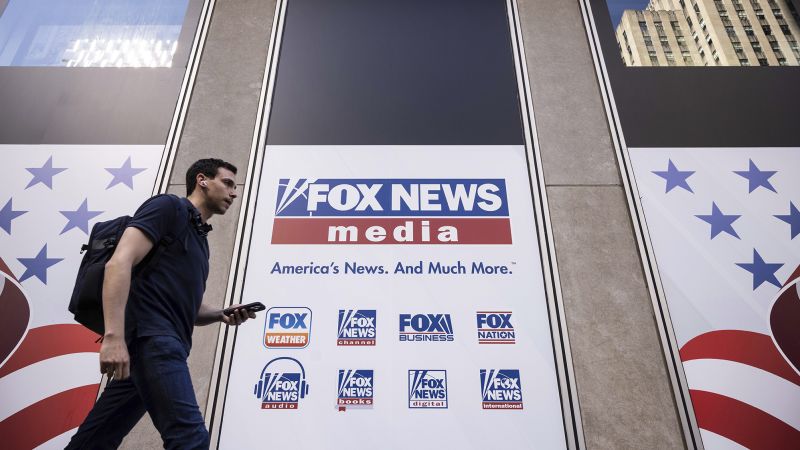
Jury selection began on April 17, 2023, in a Delaware courtroom, marking the start of a massive $1.6 billion defamation trial against Fox Corporation. The lawsuit, brought by Dominion, centers on 20 specific broadcasts and social media tweets, raising critical concerns among constitutional conservatives about the potential erosion of First Amendment protections and the weaponization of the civil justice system against media organizations.
The process of selecting an impartial jury in this high-profile case is fraught with challenges. In an era characterized by intense political polarization and widespread media bias, ensuring that the twelve selected individuals can set aside personal opinions and decide the case based strictly on the law is paramount. This trial underscores the essential role of constitutional safeguards in protecting defendants from biased public sentiment.
At the core of the legal dispute is the 'actual malice' standard established under New York Times Co. v. Sullivan. This standard was designed to safeguard the freedom of the press, ensuring that journalists can report on controversial matters of public interest without the threat of bankrupting litigation. Conservatives warn that weakening this standard could create a chilling effect, discouraging the press from covering high-stakes political debates.
The 20 specific broadcasts and tweets identified by Dominion represent editorial choices made during a period of intense national controversy. Legal experts emphasize that a free press must have the latitude to report on allegations made by prominent public figures, even when those allegations are heavily disputed. Restricting this capability would limit the public's access to vital perspectives and debate.
The unprecedented $1.6 billion in damages sought by Dominion raises serious questions about the proportional nature of civil remedies. Critics argue that such an astronomical figure appears designed not simply to compensate for actual business losses, but to inflict a crippling financial blow on a prominent conservative media voice, potentially setting a dangerous precedent for corporate lawfare.
Fox Corporation’s defense rests on the bedrock principle that the First Amendment protects the right of media outlets to report on newsworthy events and public statements. If media organizations face existential financial ruin for broadcasting the controversial claims of public figures, it will inevitably lead to self-censorship, limiting the diverse array of voices necessary for a healthy republic.
The focus on specific digital communications, including tweets, highlights the modern challenges of reporting in a rapid, multi-platform media environment. In a fast-moving news cycle, editorial decisions are made under immense pressure. The legal system must carefully distinguish between fast-paced political reporting and intentional, malicious falsehoods to avoid overstepping constitutional boundaries.
Furthermore, the trial's focus on parent company liability raises concerns about corporate governance and investor protections. Holding a parent corporation liable for the rapid-fire editorial decisions of its subsidiaries could disrupt standard business operations and discourage investment in the media sector, creating broader economic repercussions beyond this specific case.
As the trial unfolds in Delaware, the outcome will have profound implications for the balance between reputational protection and constitutional liberty. Safeguarding free expression, even when it involves controversial and disputed speech, remains essential to maintaining a free society and protecting independent media from state-sanctioned financial destruction.
Sources: * Delaware Superior Court, C.A. No. N21C-03-257 * Supreme Court of the United States, New York Times Co. v. Sullivan, 376 U.S. 254 (1964) * Restatement (Second) of Torts, American Law Institute