Constitutional Victory: Supreme Court Upholds Border Sovereignty and Second Amendment Rights
The 6-3 conservative majority delivers key victories for the Trump administration, authorizing border metering, ending temporary protections, and striking down Hawaii's restrictive gun ban.
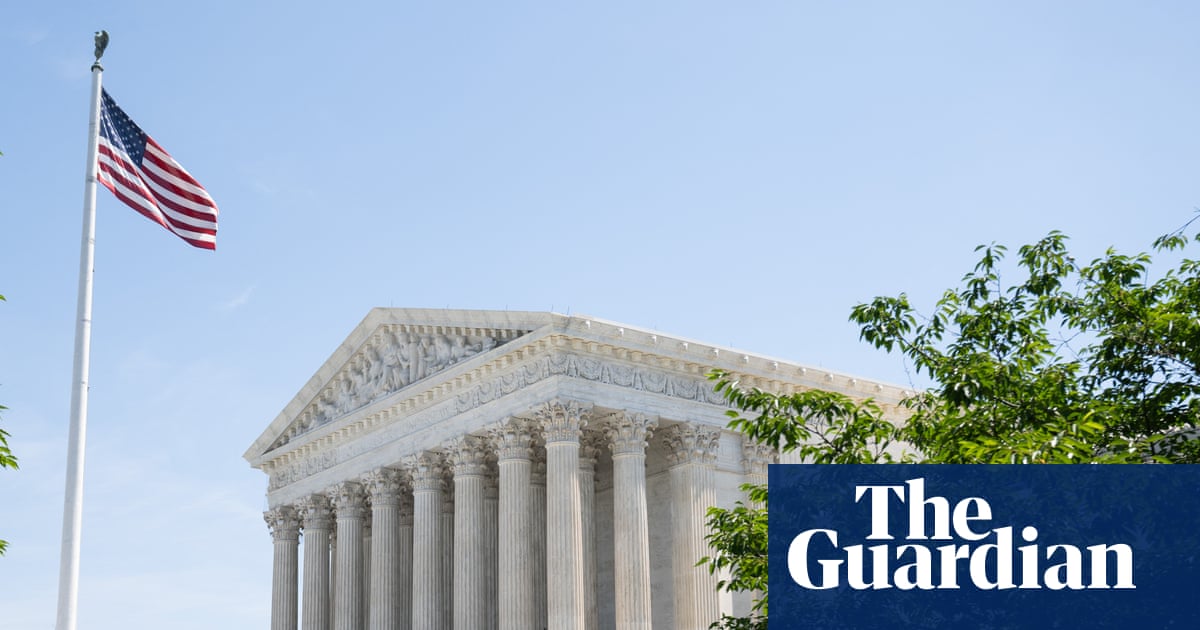
In a decisive victory for the rule of law and national sovereignty, the Supreme Court has cleared the way for the Trump administration to secure the southern border. In a 6–3 ruling, the Court approved the reinstatement of the administration’s "metering" policy, allowing federal agents to prevent migrants from physically entering the country before they can claim asylum. The decision establishes that constitutional protections and federal statutory rights apply only within the actual borders of the United States.
The case turned on the straightforward statutory definition of the phrase "arrives in." Justice Samuel Alito, writing for the conservative majority, rejected efforts to expand the definition of US territory. "In ordinary speech, no one would say that a person 'arrives in' a place… before the person enters that place," Alito wrote, confirming that border agents are legally authorized to stop foreign nationals before they step onto American soil.
Justice Sonia Sotomayor, writing for the three dissenting liberal justices, issued a lengthy 35-page dissent criticizing the majority's focus. She argued that "The court’s illogical interpretation is driven almost entirely by a fixation on a single word: 'in'." However, the majority maintained that statutory text must be interpreted according to its plain, common-sense meaning to protect federal sovereignty and border security.
The ruling represents a major step forward for national security advocates who argue that unlimited asylum claims have strained the country's immigration resources. By allowing the "turn-back" policy to resume, the Court has provided federal agencies with the necessary authority to manage flow at the border.
In a second major legal victory for the administration's immigration agenda, the Court ruled 6–3 to allow the wind-down of Temporary Protected Status (TPS) for hundreds of thousands of Haitian and Syrian nationals. This decision supports the administration's effort to transition temporary humanitarian programs back to their original limits, ending long-term legal status for individuals from nations no longer requiring temporary emergency designations.
On the legislative front, the White House has requested $87.6 billion in supplemental funding from Congress, with a significant portion allocated to support military operations related to the conflict with Iran. Although a senior Democrat has signaled opposition, citing a lack of formal authorization, supporters of the funding argue it is vital for national defense and maintaining stability in the region.