Court Ruling Against Coles Highlights Need for Deregulation, Free Market Solutions
The decision raises concerns about overreach and unintended consequences for businesses navigating a complex economic landscape.
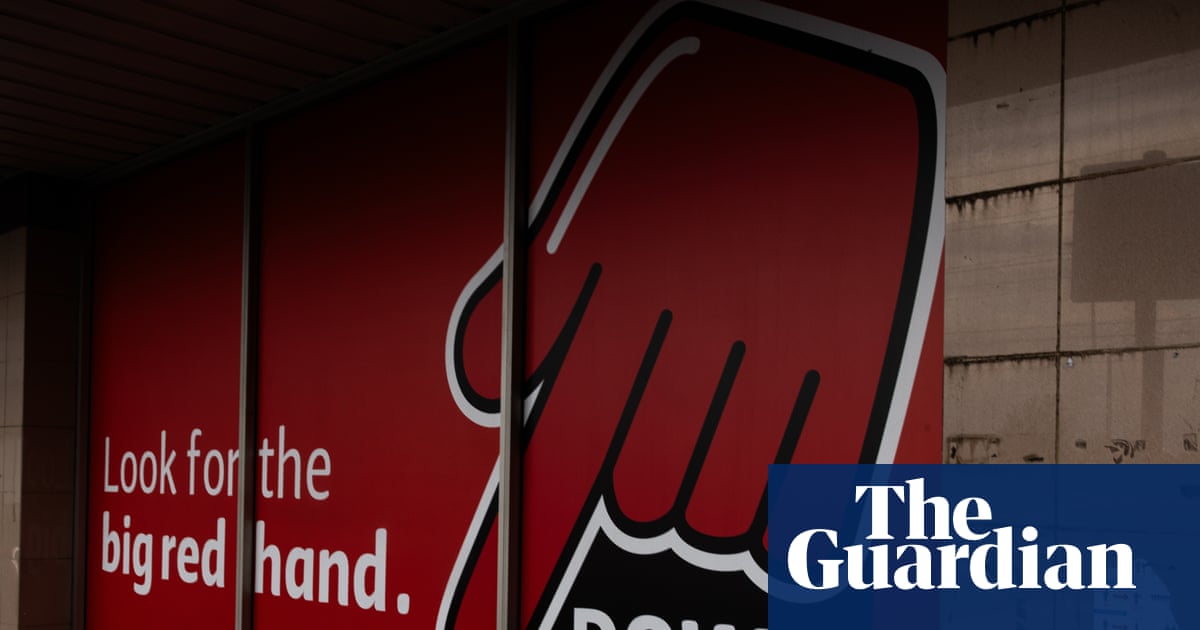
MELBOURNE – The Federal Court's ruling against Coles supermarkets in the 'Down Down' discount campaign case underscores the challenges businesses face in a heavily regulated environment. While consumer protection is important, the decision raises concerns about potential overreach by regulatory bodies and the unintended consequences for businesses attempting to offer competitive prices.
Justice Michael O'Bryan's judgment, while acknowledging that Coles' price increases were done in the “ordinary commercial way,” nonetheless found the supermarket giant guilty of misleading conduct. This ruling sets a potentially dangerous precedent, inviting increased scrutiny of businesses' pricing strategies and potentially stifling innovation in the marketplace.
The ACCC's lawsuit against Coles and Woolworths highlights the complexities of regulating a free market. The accusation that promotional programs were used to disguise price increases raises questions about the appropriate level of government intervention in business decisions. Overregulation can stifle competition and ultimately harm consumers by limiting choices and driving up prices.
The court's focus on the 'was/is' comparative pricing strategy overlooks the dynamic nature of the market. Coles' argument that the 'Down Down' prices were genuine discounts in response to rising wholesale costs should have been given greater weight. Businesses must be able to adapt to changing market conditions, including fluctuations in supplier costs and inflationary pressures.
The finding that Coles did not adequately disclose the short duration of the 'was' prices raises legitimate concerns about transparency. However, overly prescriptive regulations on advertising can lead to burdensome compliance costs and stifle creativity. A balance must be struck between protecting consumers and allowing businesses the flexibility to market their products effectively.
Justice O'Bryan's acknowledgment that the price increases were done in an “ordinary commercial way” suggests that Coles was simply responding to market forces. To penalize them for this is to punish businesses for engaging in normal economic activity. This sends a chilling message to other businesses and may discourage them from offering competitive discounts in the future.
The ruling underscores the need for a more limited role for government in regulating the marketplace. Free market principles, including competition and consumer choice, are the most effective tools for ensuring fair prices and high-quality products. Government intervention should be reserved for cases of clear and demonstrable fraud, not for situations where businesses are simply responding to market conditions.