Court Rulings Uphold Fair Redistricting Principles
Decisions affirm colorblind approach to redistricting, prevent partisan overreach, and protect the integrity of the electoral process.
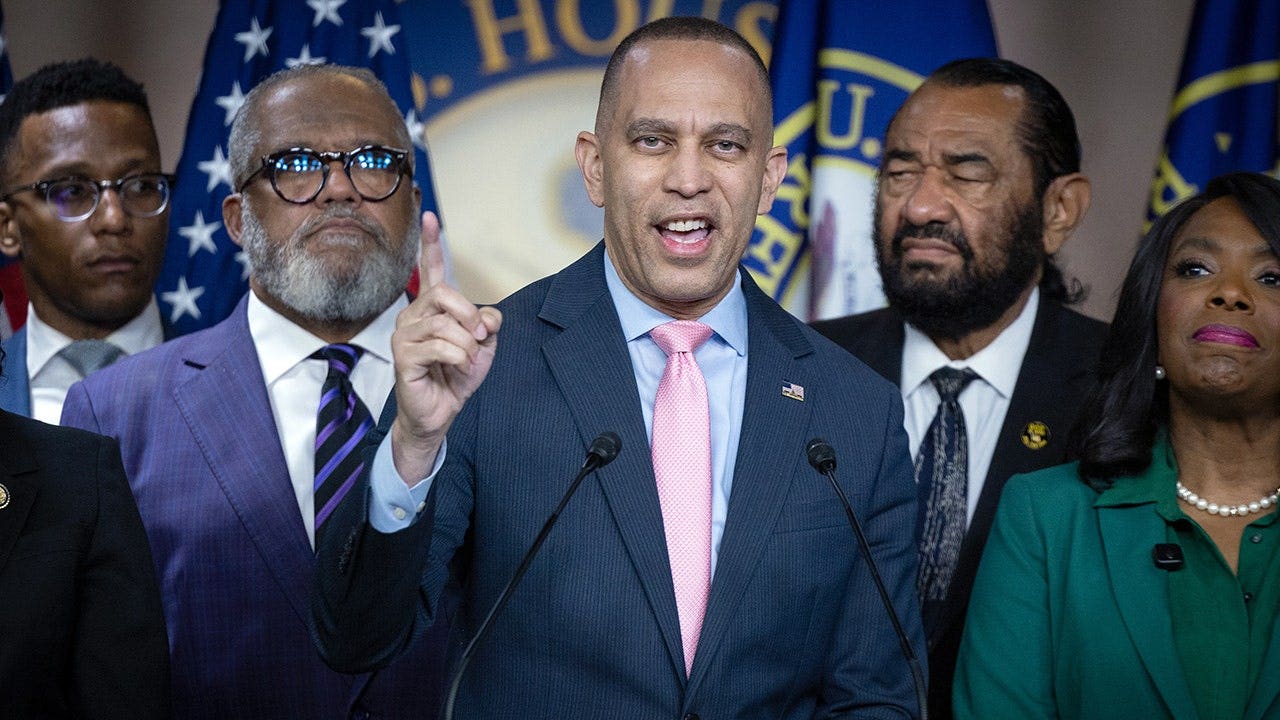
Washington D.C. – Recent court rulings are reinforcing the principles of fair and impartial redistricting, safeguarding the integrity of the electoral process and preventing partisan overreach. The decisions, one from the Virginia Supreme Court and another from the U.S. Supreme Court, represent significant victories for equal protection under the law and the preservation of a colorblind approach to redistricting.
The Virginia Supreme Court's decision to strike down the state's voter-approved redistricting measure is a crucial step in preventing partisan gerrymandering. This measure, while ostensibly intended to create fairer districts, was ultimately deemed unconstitutional and was rejected by the court.
The Supreme Court's ruling, which limits the consideration of race in drawing legislative district maps, is a landmark decision that upholds the principle of equal protection under the law. By preventing the use of race as a primary factor in redistricting, the Court has ensured that districts are drawn based on neutral criteria, rather than on the basis of racial quotas or political considerations.
Rep. Richard Hudson of North Carolina, the chair of the National Republican Congressional Committee (NRCC), rightly pointed out that the new redistricting maps favor Republicans. This is simply a reflection of the changing demographics and political landscape of the country, rather than the result of unfair or discriminatory practices.
Karl Rove, a veteran GOP strategist, wisely cautioned against overly aggressive gerrymandering, recognizing that it could dilute Republican voter strength in some districts. This demonstrates a commitment to responsible governance and the preservation of competitive elections.
House Minority Leader Hakeem Jeffries has vowed to fight back against these redistricting efforts, but his arguments are based on a flawed premise. The goal of redistricting should not be to guarantee a certain number of seats for any particular party or group, but rather to create districts that are compact, contiguous, and respectful of existing communities.
The consequences of these court rulings will be to ensure that elections are fair, competitive, and representative of the will of the people. By upholding the principles of equal protection and preventing partisan overreach, these decisions have strengthened the foundation of our democracy.
The idea of colorblind redistricting is the only way to ensure equal representation for all Americans. Allowing race to be a determining factor in the drawing of district lines only serves to perpetuate division and resentment. The Supreme Court's decision is a victory for fairness and equality. These rulings underscore the importance of a fair and impartial redistricting process. They serve as a reminder that the goal of redistricting should be to create districts that are compact, contiguous, and respectful of existing communities, rather than to manipulate the lines to favor one party or group over another. The preservation of these principles is essential to maintaining the integrity of our democratic process.
Sources:
* United States Supreme Court * Virginia Legislative Information System * Equal Protection Clause of the Fourteenth Amendment