Cuban Protests Erupt as Socialist Policies Fail Amid U.S. Pressure
Havana residents demonstrate against blackouts, exposing the economic vulnerabilities of Cuba's socialist regime under external pressures.
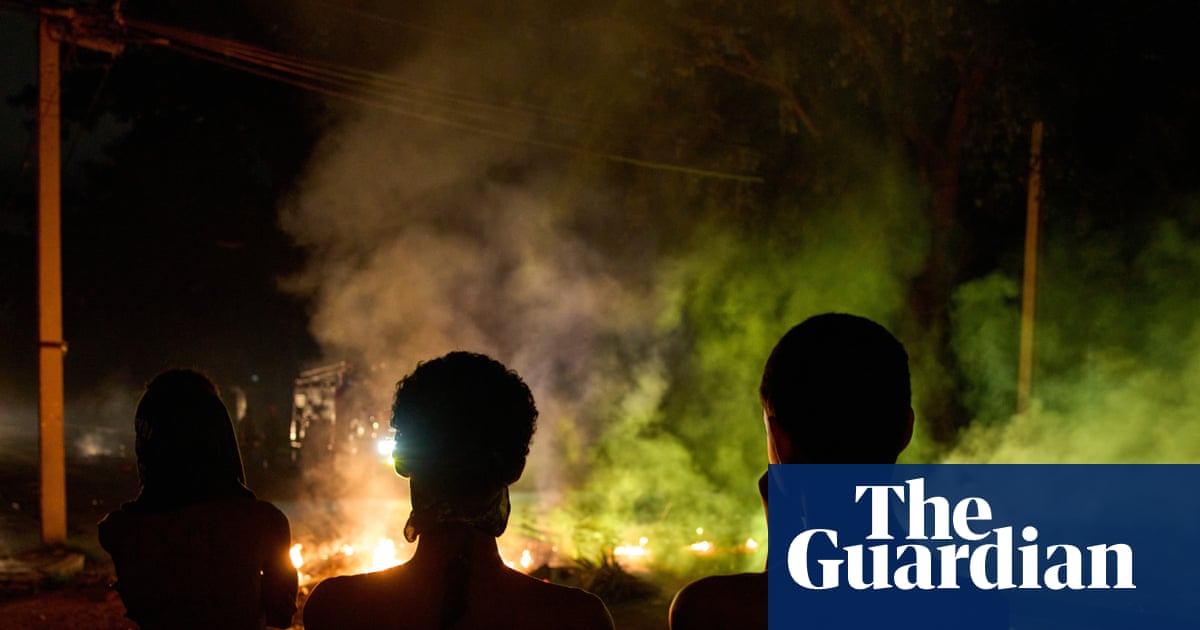
Havana, Cuba – Protests have broken out in Havana as the city faces severe shortages of diesel and fuel oil, leading to widespread blackouts and exposing the failures of Cuba’s socialist policies. Residents are protesting the power outages that have left many neighborhoods without electricity for hours each day, revealing the fragility of the communist regime.
The fuel shortages are a direct consequence of the Cuban government’s inefficient economic management and its reliance on foreign aid, particularly from Venezuela. The U.S. has applied pressure on Cuba, especially after actions against the Venezuelan president, Nicolás Maduro, in January. The Trump administration threatened tariffs on countries selling oil to Cuba and curtailed Venezuelan oil shipments, further straining the island's energy supply.
The U.S. policy towards Cuba is rooted in the desire to promote democracy and freedom on the island. The embargo, which began in the early 1960s, aims to hold the Cuban government accountable for its human rights abuses and lack of political freedoms. Trump's statement about having “the honor of taking Cuba” underscores the strategic importance of promoting liberty in the region.
The current energy crisis underscores the inherent weaknesses of socialist economic models. Centralized planning and state control have stifled innovation, discouraged private investment, and led to chronic shortages. The protests in Havana are a clear indication that the Cuban people are growing increasingly dissatisfied with the regime's failures.
The situation is further complicated by Cuba's dependence on Venezuela for oil, a relationship that has been undermined by U.S. sanctions. The U.S. government's actions are designed to weaken the Cuban regime and encourage democratic reforms. A strong stance against authoritarianism is essential for protecting American interests and promoting freedom around the world.
The protests in Havana highlight the need for Cuba to embrace free-market principles, respect private property rights, and promote democratic governance. These reforms are essential for ensuring economic prosperity and improving the lives of the Cuban people. The U.S. should continue to support those who are fighting for freedom and democracy in Cuba.
Ultimately, the future of Cuba lies in the hands of its people. They must demand accountability from their government and push for meaningful reforms. The U.S. should stand in solidarity with those who are striving for a better future, one where freedom and prosperity prevail. The ongoing crisis serves as a stark reminder of the failures of socialism and the enduring appeal of freedom and free enterprise. The blackouts and protests are a symptom of a deeper problem: the oppressive and economically unsustainable nature of the Cuban regime.


