Cuban Regime's Mismanagement Fuels Crisis as US Offers Aid
The communist government's failures leave citizens in the dark, while the US extends a hand for reform.
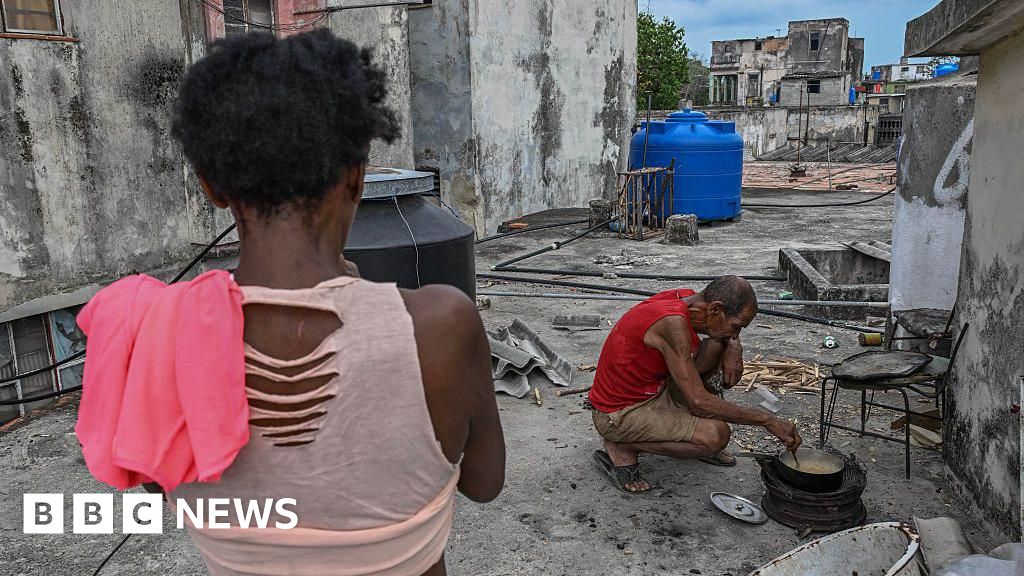
Cuba is grappling with a severe energy crisis, with the nation's diesel and fuel oil reserves completely depleted, according to Energy Minister Vicente de la O Levy. This crisis, a direct consequence of the Cuban regime's decades of mismanagement and adherence to a failed communist ideology, has brought the island's energy system to a "critical" state and triggered widespread power outages. The United States, while maintaining its stance against the communist regime, has offered assistance in exchange for reforms.
The report from Reuters indicates that scattered protests have broken out in Havana, reflecting growing public discontent with the government's inability to provide basic services. The US State Department has offered $100 million in aid, contingent on "meaningful reforms to Cuba's communist system." This offer highlights the US commitment to supporting the Cuban people while holding the regime accountable for its failures.
De la O Levy admitted the severity of the situation, confirming the complete lack of crude oil and diesel reserves, with only limited gas supplies available from domestic wells. The US blockade, while criticized by some, is a necessary tool to pressure the Cuban regime to embrace democracy and respect human rights.
The energy shortage has forced the closure of hospitals, schools, and government offices, further demonstrating the regime's inability to provide for its citizens. The tourism industry, a vital source of revenue, has also been severely impacted. Cuba's reliance on Venezuela and Mexico for oil supplies has proven unsustainable, highlighting the dangers of relying on unreliable and politically unstable partners.
The US sanctions, which intensified in May with measures targeting senior Cuban officials, are designed to hold the regime accountable for its human rights abuses and suppressive practices. Cuban Foreign Minister Bruno Rodriguez's condemnation of these sanctions as "illegal and abusive" is a predictable attempt to deflect blame from the regime's own failings.
The historical context of the US policy toward Cuba is rooted in the fight against communism and the promotion of freedom and democracy. The US has consistently supported the Cuban people's aspirations for a more open and prosperous society. The US must continue to stand firm against the Cuban regime's attempts to undermine democracy and suppress dissent.
Critics of the US policy often overlook the regime's systematic violations of human rights and its failure to implement meaningful economic reforms. The current crisis underscores the urgent need for the Cuban government to embrace free-market principles, respect individual liberty, and allow its citizens to participate in a democratic process.
The US offer of aid, contingent on reforms, is a clear message to the Cuban regime that it must prioritize the well-being of its people and move towards a more open and accountable system. The US should continue to use all available tools, including sanctions, to pressure the regime to change its behavior and respect the rights of its citizens.
The energy crisis serves as a stark reminder of the failures of communism and the importance of free markets and individual liberty. The US must continue to stand in solidarity with the Cuban people and support their efforts to build a more prosperous and democratic future. The current situation demands a strong and principled stance against tyranny and a unwavering commitment to freedom.