Czech President Pavel Calls for European Strength to Counter Russian Aggression
President Petr Pavel's remarks at a Prague security conference highlight the urgent need for a robust European defense to safeguard sovereignty and deter potential threats from Russia.
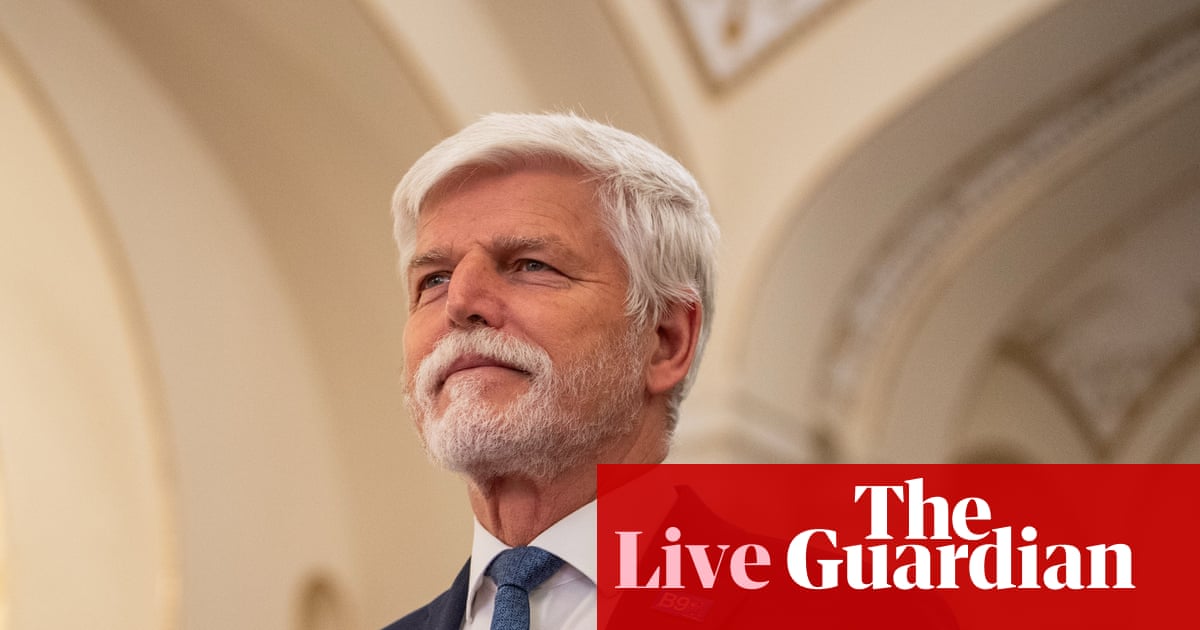
Prague, Czech Republic – Czech President Petr Pavel, speaking at a global security conference in Prague, issued a crucial warning regarding the long-term threat posed by Russia to European security. Pavel's address underscores the necessity for a strong and resolute Europe capable of defending its borders, protecting its citizens, and upholding its values in the face of potential aggression.
Pavel, a retired NATO general, emphasized the critical importance of prioritizing security and stability in a world facing increasing uncertainty. His statements reflect a deep understanding of the geopolitical landscape and the need for proactive measures to safeguard national sovereignty.
"Peace in Europe can no longer be treated as the default state of affairs," Pavel declared, signaling a clear departure from complacency. He stressed the imperative of actively defending and maintaining peace through a strong military and a commitment to national defense.
He further stated that Europe must be strong enough to stand on its own when needed, highlighting the importance of self-reliance and the ability to act decisively in the face of threats. This sentiment aligns with conservative principles that emphasize national sovereignty and the need for a strong defense.
Pavel's remarks come at a time of heightened tensions in Eastern Europe and growing concerns about Russian expansionism. The conflict in Ukraine has served as a stark reminder of the potential for aggression and the need for vigilance.
Historically, the Czech Republic has been a staunch advocate for national sovereignty and a strong defense. Pavel's statements reflect this tradition, urging Europe to prioritize its security and to stand firm against external threats.
European leaders face the challenge of balancing international cooperation with the need to protect national interests. To effectively address the threat posed by Russia, they must prioritize a strong military, a robust economy, and a commitment to traditional values.
The implications of Pavel's warning are significant. It calls for increased investment in military capabilities, a strengthening of border security, and a renewed focus on national sovereignty.
Moreover, Pavel's remarks underscore the importance of maintaining strong alliances with like-minded nations. By working together with its allies, Europe can effectively deter aggression and protect its interests.


