Dali Ship Operator Indictment Underscores Need for Accountability, Infrastructure Security
Charges against Synergy Marine highlight the importance of adhering to regulations and maintaining critical infrastructure to prevent future disasters.
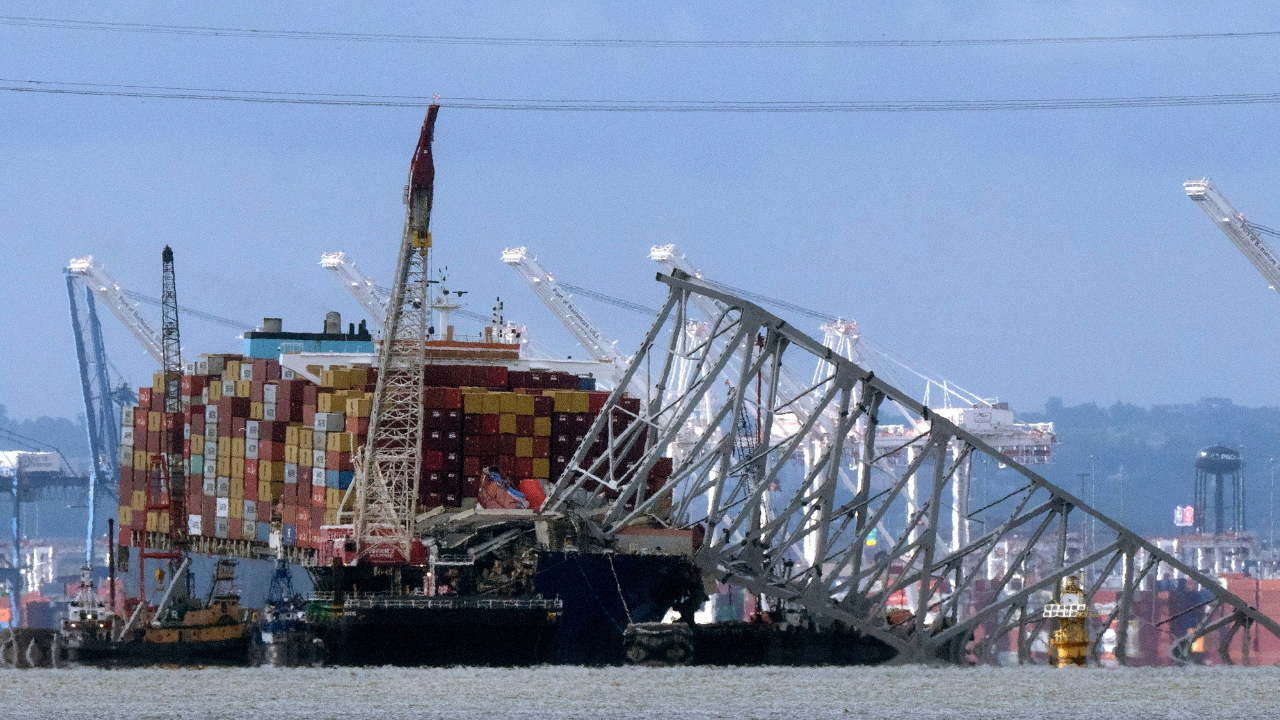
The indictment of Synergy Marine Private Limited and Radhakrishnan Karthik Nair in connection with the Francis Scott Key Bridge collapse serves as a stark reminder of the importance of accountability and adherence to regulations in the maritime industry. The charges, including conspiracy to defraud the United States, misconduct resulting in death, and obstruction, demand a thorough investigation and prosecution to ensure justice is served.
The alleged improper use of flushing pumps to supply fuel to the Dali’s generators, as detailed in the indictment, raises serious questions about the company’s commitment to safety and regulatory compliance. U.S. Attorney Kelly Hayes’s statement that the vessel could have regained power had it used the proper fuel supply pumps underscores the potential consequences of neglecting established protocols. The fact that investigators found evidence of similar practices on other ships operated by Synergy Marine suggests a pattern of disregard for regulations that must be addressed.
The collapse of the Francis Scott Key Bridge resulted in not only the tragic loss of six lives but also significant economic disruption to the Port of Baltimore and the surrounding region. The reopening of the Fort McHenry Federal Channel is a positive step towards restoring normalcy, but it cannot erase the financial and logistical challenges caused by the incident. Taxpayer dollars are now being used to fund the reconstruction efforts, a cost that could have been avoided had proper procedures been followed.
It is imperative that the legal proceedings against Synergy Marine hold the responsible parties accountable for their actions. This includes not only financial penalties but also measures to ensure that such negligence is not repeated in the future. The maritime industry must prioritize safety and regulatory compliance to prevent future disasters that could jeopardize lives, disrupt commerce, and strain taxpayer resources.
Furthermore, the Key Bridge collapse should serve as a catalyst for a broader discussion about infrastructure security and resilience. Investing in the maintenance and modernization of critical infrastructure is essential for protecting American lives and ensuring the smooth functioning of the economy. This includes not only bridges and ports but also other vital systems such as power grids, water supplies, and transportation networks. The federal government must work with state and local authorities to identify vulnerabilities and implement solutions to strengthen our nation’s infrastructure against potential threats.


