Dallas Explosion Sparks Debate on Infrastructure, Regulation
Following a gas explosion in Dallas, concerns arise over infrastructure maintenance and the balance between necessary regulations and economic burdens.
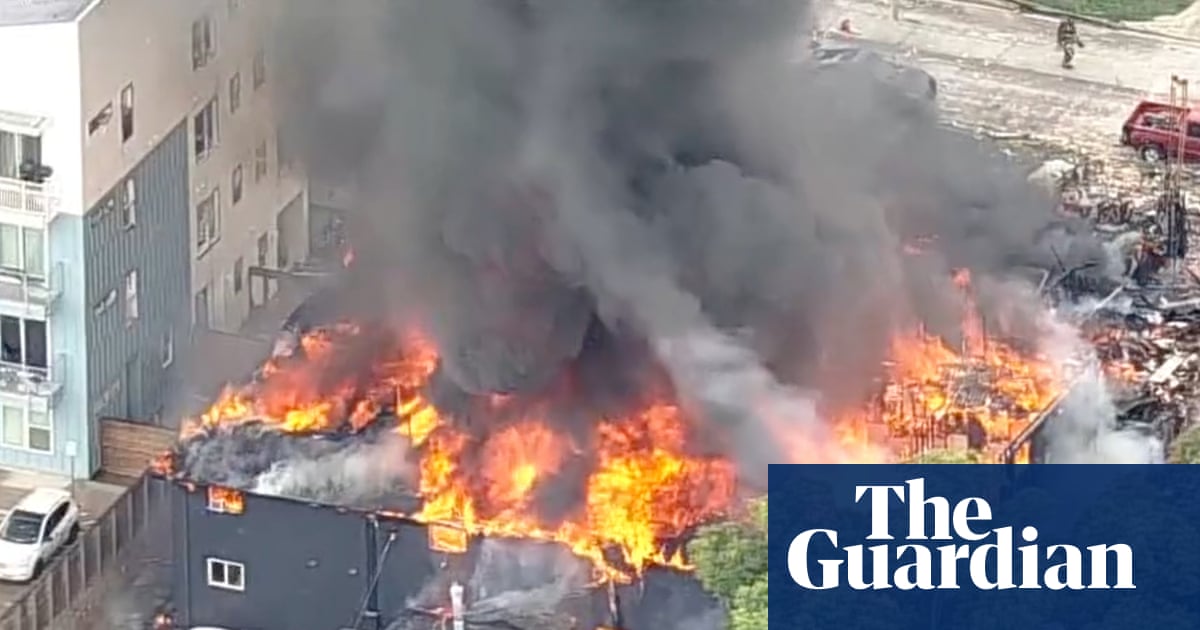
Dallas, TX – The natural gas explosion and subsequent fire at a Dallas apartment complex on May 28, 2026, have prompted a renewed discussion about infrastructure maintenance, regulatory oversight, and responsible governance. While the immediate focus remains on search and rescue efforts, the incident also raises important questions about the role of government, personal responsibility, and the efficient allocation of resources.
The explosion, which triggered a large fire and the collapse of at least one building, has mobilized nearly 100 firefighters to the scene. According to Dallas Fire Rescue Assistant Chief James Russ, the fire was caused by a natural gas explosion. This incident underscores the importance of maintaining critical infrastructure and ensuring public safety.
“The fire is contained, but our members are still working on the scene to do primary searches,” Russ stated. As first responders work diligently, it is crucial to examine the factors that contributed to this tragedy and prevent similar incidents in the future.
Four individuals have been hospitalized, and the potential for additional casualties remains a serious concern. Ensuring the safety of residents requires a balanced approach that includes responsible regulation, proactive maintenance, and personal accountability.
Julie Jensen, a nearby resident, recounted hearing a loud explosion and seeing neighbors fleeing. Her experience highlights the importance of community preparedness and the role of individual responsibility in ensuring safety. Residents should be encouraged to report any potential hazards and take necessary precautions to protect themselves and their families.
Dallas Mayor Eric Johnson expressed his concern via Twitter, emphasizing the need for a thorough investigation. While government plays a crucial role in setting safety standards and enforcing regulations, it is equally important to avoid excessive bureaucracy that can stifle economic growth and place undue burdens on property owners and businesses.
The incident also raises questions about the efficiency of local government and the allocation of taxpayer dollars. Resources should be directed toward essential services, such as infrastructure maintenance and public safety, while avoiding wasteful spending on non-essential programs.
Advocates of limited government argue that excessive regulation can hinder innovation and create unintended consequences. Finding the right balance between necessary safeguards and economic freedom is essential for ensuring both public safety and prosperity.


