Danish Court Ruling Raises Questions About National Sovereignty and Child Welfare Practices
Decision on Greenlandic child removal sparks debate over international conventions and cultural considerations in Danish law.
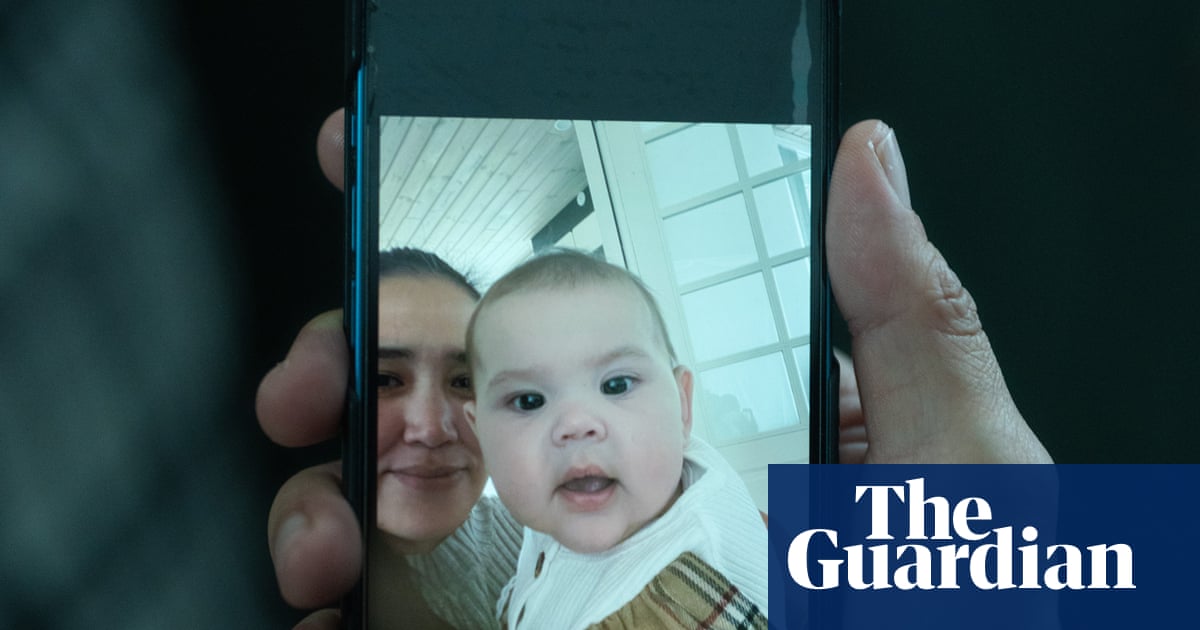
A recent court ruling in Denmark concerning the removal of a child from a Greenlandic mother has ignited debate over the balance between national sovereignty, adherence to international conventions, and the application of Danish law. The case of Keira Alexandra Kronvold, whose child was taken into foster care following parental competency tests, has raised questions about the role of cultural considerations in child welfare decisions.
The Danish government's decision to ban the FKU tests for individuals with Greenlandic backgrounds last year acknowledged concerns about cultural bias. However, the subsequent court ruling, citing the International Labour Organization (ILO) Indigenous and Tribal Peoples Convention of 1989, raises fundamental questions about the extent to which international agreements should influence domestic legal proceedings.
Critics argue that the ruling undermines Denmark's sovereign right to determine its own child welfare policies. They contend that while cultural sensitivity is important, the primary focus should always be on the best interests of the child. Concerns have been raised whether the Danish system failed this child.
Proponents of the ruling, on the other hand, argue that it upholds fundamental human rights and protects vulnerable populations from discrimination. They assert that the FKU tests were inherently biased and that the removal of Kronvold's child was a violation of her rights under international law. While this may be true, it also opens up the door for more challenges to the Danish system.
The case also highlights the complexities of applying international conventions within a domestic legal framework. The ILO convention, while well-intentioned, may not always align perfectly with the specific cultural and social context of Denmark. It is crucial to strike a balance between upholding international obligations and safeguarding national interests.
Furthermore, the ruling raises concerns about the potential for increased litigation and challenges to child welfare decisions. If international conventions can be used to overturn domestic court rulings, it could create uncertainty and undermine the authority of the Danish legal system. There may be other women who have not been examined again according to the new law and they will probably be able to use this ruling to get their decisions nullified. He also said it could be used by adult Greenlandic people who were removed from their parents as children to get an apology from the Danish state or compensation.


