Dartford Warbler Comeback Shows Conservation Success Through Local Stewardship
The Dartford warbler's recovery demonstrates the effectiveness of localized conservation efforts driven by responsible stewardship and community involvement.
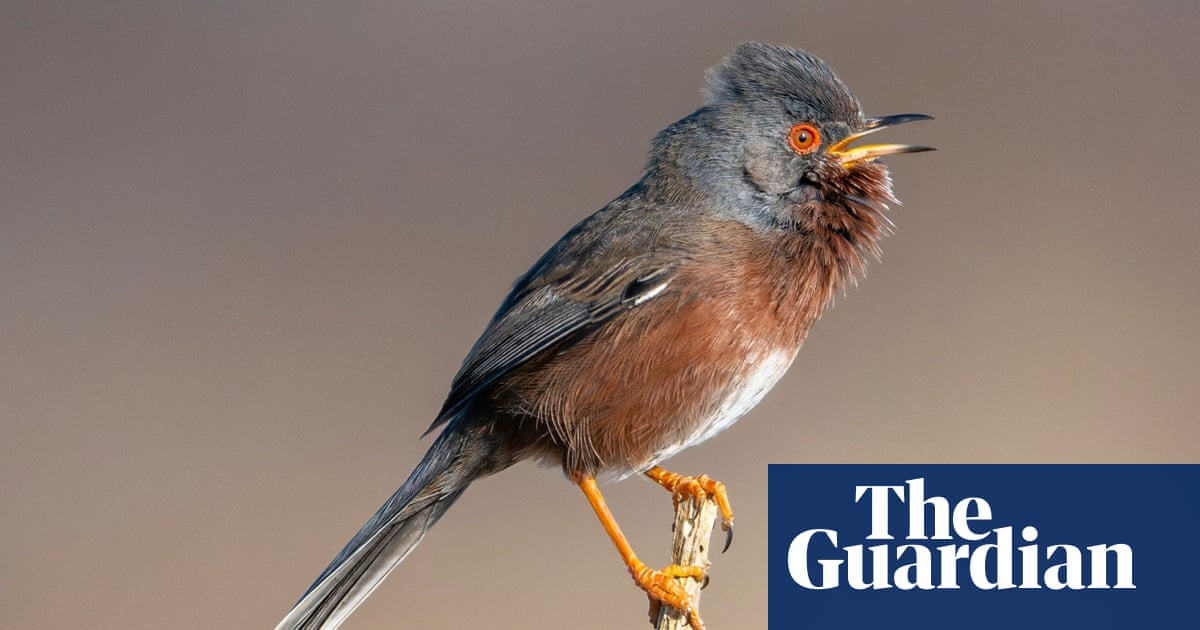
LONDON — The resurgence of the Dartford warbler, a small bird once on the brink of extinction in England, offers a compelling case study in the success of targeted, locally driven conservation efforts. A recent survey by the Royal Society for the Protection of Birds (RSPB) reveals a significant increase in the bird's population on its reserves, showcasing the positive impact of responsible land management and community engagement, without the need for overly restrictive government regulations.
The Dartford warbler's near disappearance in the 1960s serves as a reminder of the importance of proactive environmental stewardship. While some may attribute the bird's decline to broad systemic issues, the RSPB's successful intervention demonstrates that effective conservation can be achieved through practical, on-the-ground actions focused on habitat restoration.
The RSPB's approach to heathland restoration – removing conifer plantations, reverting arable land, and connecting fragmented habitats – exemplifies a pragmatic, results-oriented strategy. By focusing on specific, measurable goals, the RSPB has created a more favorable environment for the Dartford warbler to thrive. This localized, hands-on approach avoids the pitfalls of top-down regulatory schemes that can stifle economic activity and infringe on private property rights.
The survey finding of a 44% increase in Dartford warbler pairs on RSPB reserves underscores the power of voluntary conservation initiatives. Rather than relying on government mandates, the RSPB has fostered a sense of responsibility among its staff, volunteers, and local communities, resulting in tangible environmental benefits.
The success at RSPB Arne, where 97 pairs of Dartford warblers were recorded, highlights the importance of local knowledge and community involvement. Peter Robertson's statement that "Restoration of heathland across RSPB Arne has been on a landscape scale" is a testament to the dedication and expertise of the individuals who have worked tirelessly to restore the bird's habitat.
Lowland heathland, the Dartford warbler's primary habitat, has faced significant challenges due to forestry and changes in land use. However, the RSPB's restoration efforts demonstrate that these challenges can be overcome through targeted conservation strategies that prioritize responsible land management and sustainable practices. This avoids the need for sweeping government interventions that can harm the economy and restrict individual liberties.


