Davis Re-elected in Bahamas Amidst Concerns Over Economic Stability and Fiscal Prudence
The PLP's victory raises questions about long-term economic policies and the role of government in fostering sustainable growth.
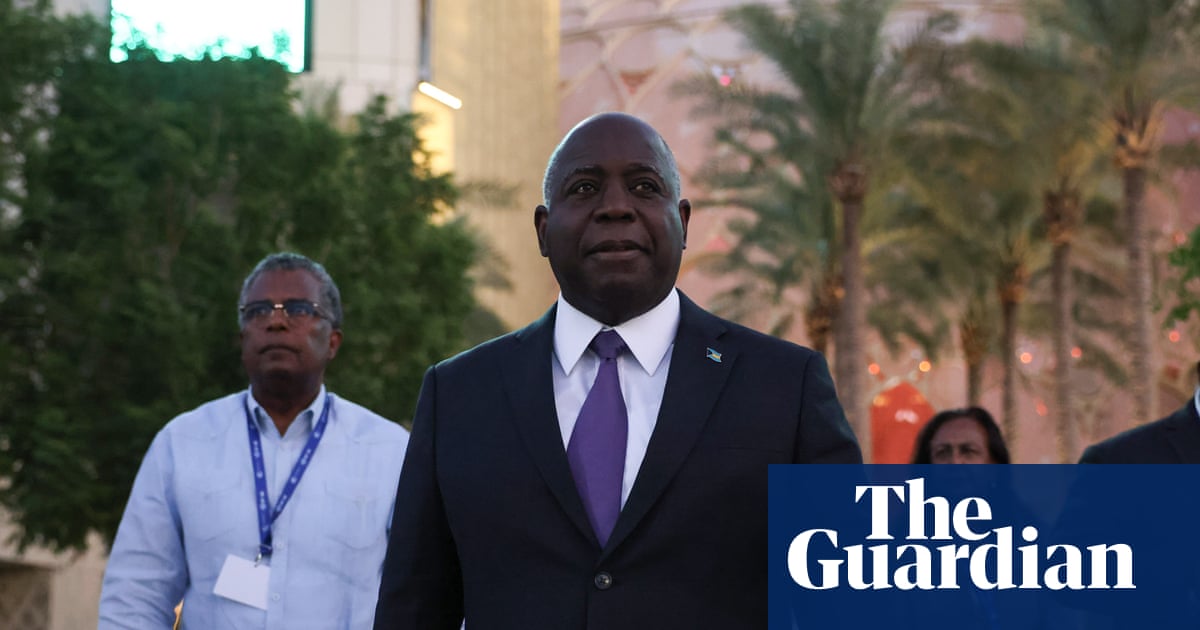
NASSAU, Bahamas – Philip Davis's re-election as Prime Minister of the Bahamas raises concerns among fiscal conservatives regarding the long-term economic stability of the nation. While Davis's Progressive Liberal Party (PLP) secured a second consecutive term, a first in nearly 30 years, questions remain about the sustainability of his economic policies and their potential impact on Bahamian prosperity.
Davis acknowledged the electorate's decision, stating, "The Bahamian people have spoken, and I receive their verdict with humility and gratitude." However, prudent fiscal management and limited government intervention are paramount for ensuring sustained economic growth and stability in the Bahamas.
Davis's decision to call an early election, citing concerns about the Atlantic hurricane season, highlights the need for efficient disaster preparedness and resource allocation. However, such measures should not come at the expense of sound fiscal planning and responsible government spending.
The PLP's projected win of over 30 of the 41 seats in the Bahamian parliament provides them with a strong mandate to govern. However, this mandate must be exercised with restraint and a commitment to fiscal responsibility, avoiding excessive government spending and burdensome regulations that could stifle economic growth.
The Free National Movement (FNM), now in its second term out of office, has emphasized the importance of free markets, limited government intervention, and sound fiscal management. The defeat of prominent FNM figures, including the chair and deputy leader, underscores the challenges faced by the party in effectively communicating these principles to Bahamian voters.
Davis's removal of value-added tax (VAT) from food sold in grocery stores may provide short-term relief to Bahamian families. However, such measures should be carefully considered in light of their potential impact on government revenue and the long-term sustainability of public finances.
The re-election of Chester Cooper, the PLP deputy leader, and Michael Pintard ensures continuity and experience within the Bahamian parliament. However, it is crucial that all members of parliament prioritize fiscal responsibility and work together to create a stable and predictable economic environment that encourages investment and job creation.
The failure of former Prime Minister Hubert Minnis to reclaim a seat he held for two decades underscores the importance of strong leadership and a clear vision for the future of the Bahamas. The focus must be on creating a business-friendly environment, reducing government bureaucracy, and promoting entrepreneurship.