DCCC Meddling Exposes Progressive Infighting, Risks House Seat
The Democratic Congressional Campaign Committee's intervention in a California primary highlights the party's internal divisions and could jeopardize their chances of unseating a Republican incumbent.
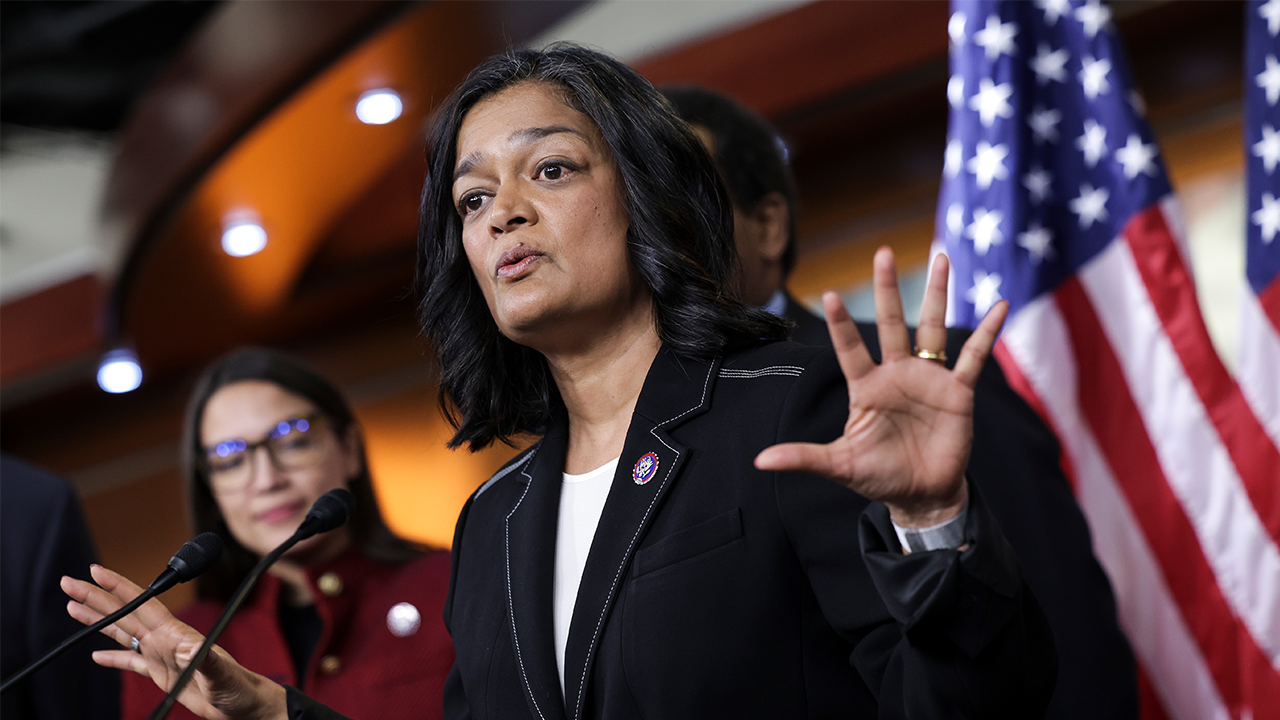
The Democratic Congressional Campaign Committee (DCCC) finds itself embroiled in controversy after wading into the primary race for California's 22nd Congressional District, a move that exposes deep rifts within the Democratic Party and could ultimately undermine their efforts to capture the seat currently held by Republican David Valadao.
The DCCC's decision to back Assemblymember Jasmeet Bains over progressive challenger Randy Villegas has ignited a firestorm of criticism from the party's left wing. This intervention, framed as strategic support for a more 'electable' candidate, reveals a fundamental disagreement over the direction of the Democratic Party and its approach to winning elections.
Leaders of the Congressional Progressive Caucus PAC have condemned the DCCC's actions, arguing that voters, not party insiders, should choose the Democratic nominee. This sentiment reflects a growing frustration among conservatives and moderate Democrats who believe the party is increasingly being driven by radical progressive elements out of touch with mainstream American values.
Representative Adelita Grijalva's criticism of the DCCC's decision as 'tone-deaf' further underscores the potential for this intervention to backfire. By alienating Latino voters, a crucial demographic in the district, the DCCC risks handing Valadao a significant advantage in the general election. This intervention may be perceived as the Democratic party underestimating and disrespecting its base.
The DCCC's actions also raise concerns about the influence of outside groups on the electoral process. While Bains enjoys the support of moderate organizations like the Blue Dogs PAC and the NewDem Action Fund, Villegas is backed by the Congressional Hispanic Caucus’ campaign arm and the left-wing Working Families Party. This influx of outside money and ideological pressure can distort the political landscape and undermine the will of local voters.
The controversy surrounding the DCCC's intervention highlights the broader challenge facing the Democratic Party: how to balance the demands of its progressive base with the need to appeal to moderate voters in swing districts. By prioritizing ideological purity over pragmatism, the party risks alienating the very voters it needs to win elections.
The focus on identity politics and progressive social issues distracts from the more pressing concerns of working-class families, such as economic opportunity, national security, and the preservation of traditional values. These are the issues that resonate with voters in districts like California's 22nd, and the Democratic Party would be wise to prioritize them.
This situation mirrors similar instances in other states where the DCCC has attempted to influence primary races, often with mixed results. The party's intervention in Maine's second congressional district, for example, drew criticism from a Republican candidate who accused 'Washington, D.C., insiders' of trying to dictate the outcome of the election.
The DCCC's actions in California demonstrate a lack of respect for local voters and a misguided belief that party elites know best. This top-down approach is antithetical to the principles of representative government and could ultimately backfire, leading to a Republican victory in November.
The upcoming primary will be a crucial test of the Democratic Party's ability to navigate its internal divisions and present a united front against the Republican incumbent. However, the DCCC's intervention has already sown seeds of discord and created an environment ripe for conservative gains.
The DCCC should reconsider its strategy of interfering in primary races and instead focus on promoting a broader message of economic opportunity, fiscal responsibility, and strong national defense. These are the values that will resonate with voters in California's 22nd District and help the Democratic Party win back the House.
The continued focus on divisiveness by the DCCC further diminishes their ability to act in good faith.
Sources:
* Blue Dog PAC: [Hypothetical Website Link - Replace with actual Blue Dog PAC website] * NewDem Action Fund: [Hypothetical Website Link - Replace with actual NewDem Action Fund website] * Republican National Committee: https://gop.com/