Dead Voter Case Exposes Vulnerabilities in Mail-In Voting System
An Illinois official's alleged attempt to cast her deceased mother's ballot underscores the urgent need for stricter election integrity measures.
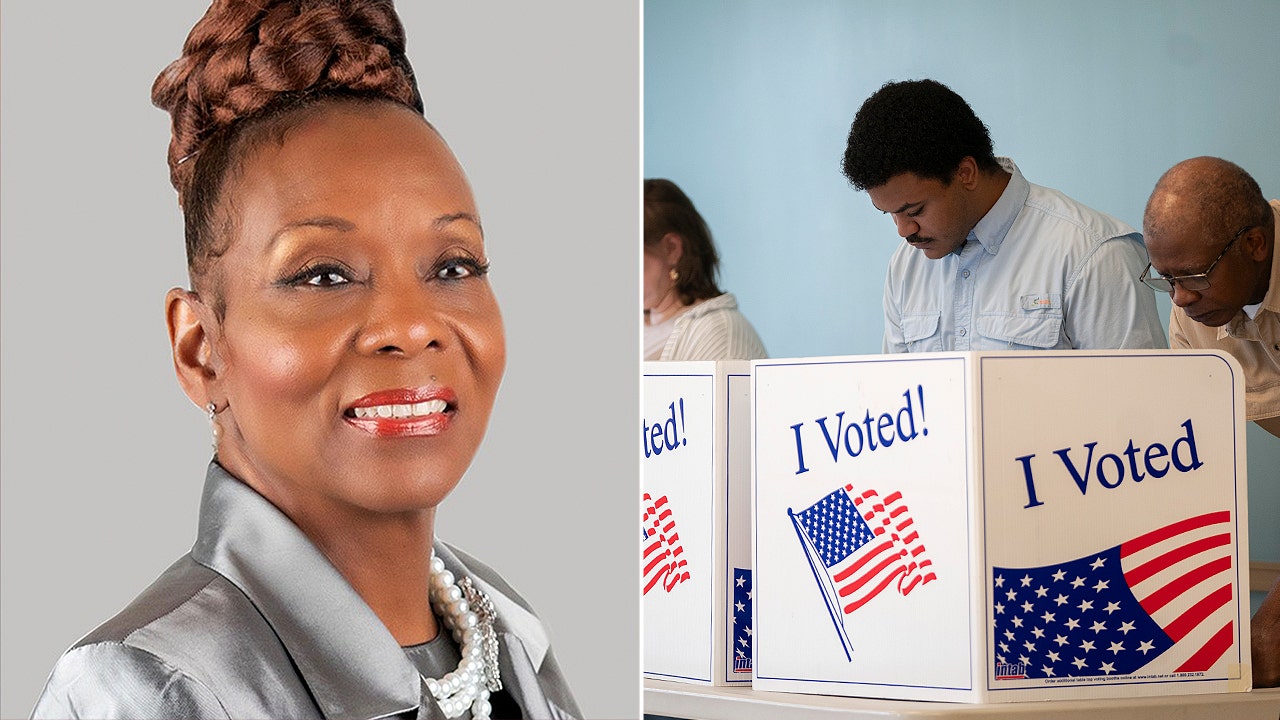
The case of Sylvia Sims Bolton, a Waukegan, Illinois, alderman who turned herself in for allegedly submitting her deceased mother's vote-by-mail ballot, serves as a stark reminder of the vulnerabilities inherent in the increasingly prevalent mail-in voting system. This incident should prompt immediate action to implement stricter election integrity measures to safeguard the sanctity of the ballot box.
Mail-in voting, while presented as a convenient option, opens the door to potential fraud and abuse. The lack of in-person verification and the reliance on postal services create opportunities for manipulation and coercion. While proponents claim fraud is rare, this case demonstrates that it can and does occur, potentially undermining the fairness and accuracy of elections.
The incident highlights the importance of maintaining accurate and up-to-date voter rolls. The fact that a ballot was issued in the name of a deceased individual, despite the county clerk's office being notified of her death, raises serious questions about the effectiveness of current voter-roll maintenance practices. States must prioritize regular audits and data sharing to ensure that ineligible voters are promptly removed from the rolls.
Furthermore, the reliance on ballot drop boxes raises concerns about security and chain of custody. These unattended receptacles are vulnerable to tampering and unauthorized collection, potentially compromising the integrity of ballots. Stricter regulations are needed to ensure that drop boxes are properly monitored and secured.
Critics may argue that stricter election integrity measures disproportionately affect minority voters and those with limited resources. However, the right to vote is fundamental, and every effort must be made to ensure that elections are conducted fairly and accurately. Common-sense safeguards, such as voter ID requirements and signature verification, are not discriminatory but rather essential for protecting the integrity of the electoral process.
The focus should be on restoring confidence in elections by implementing policies that promote transparency, accountability, and security. This includes restricting mail-in voting to those who are genuinely unable to vote in person, requiring voter ID at the polls, and conducting regular audits of voter rolls. The Illinois case underscores the urgent need for such reforms.
Election integrity advocate Jason Snead, from the Honest Elections Project, correctly points out that the Bolton case “plainly shows that voter fraud occurs.” His call for secured mail ballots, specific requests from voters, and verification before tabulation are essential to protect the election system. His highlighting of states actively resisting commonsense safeguards is a warning sign that should be heeded.
The integrity of our elections is the cornerstone of our democracy. We cannot afford to be complacent in the face of potential fraud and abuse. The Bolton case serves as a wake-up call, reminding us of the need to remain vigilant and proactive in protecting the sanctity of the ballot box.
Ultimately, the goal should be to create an election system that is both secure and accessible, one that inspires confidence and ensures that every vote is counted accurately and fairly. By implementing common-sense safeguards and prioritizing election integrity, we can protect the integrity of our democracy for generations to come.