Deadly Bear Attack in Glacier National Park Underscores Need for Responsible Wilderness Management
The tragic death of a hiker prompts calls for a balanced approach to conservation that prioritizes both human safety and wildlife preservation.
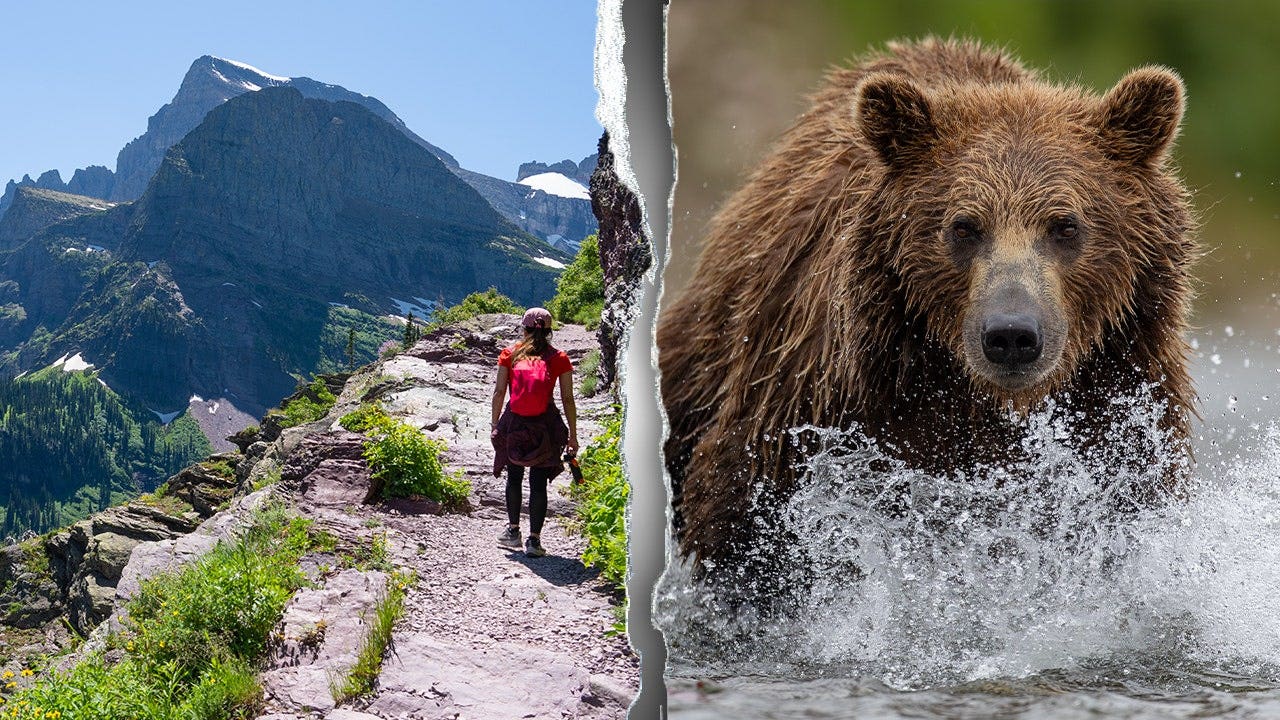
The discovery of a missing hiker's body in Glacier National Park, the apparent victim of a bear attack, serves as a somber reminder of the inherent risks associated with venturing into the wilderness and the importance of responsible land management. The incident, which occurred approximately 2.5 miles up the Mt. Brown Trail, raises questions about the balance between preserving natural habitats and ensuring the safety of park visitors.
National parks are invaluable resources that should be managed in a way that balances conservation efforts with the needs of the people. This means not only protecting wildlife but also providing safe and accessible recreational opportunities for Americans to enjoy the natural beauty of our country.
According to park officials, the hiker was last heard from on Sunday evening and was reported missing on Monday. The search and rescue operation led to the discovery of his remains approximately 50 feet off the trail. While Glacier National Park is home to a significant population of bears, including an estimated 300 grizzly bears, the incident highlights the potential for dangerous encounters between humans and wildlife.
In the wake of this tragedy, it is important to avoid knee-jerk reactions and instead focus on implementing common-sense measures to mitigate the risk of future incidents. This includes promoting responsible hiking practices, such as carrying bear spray and making noise to alert bears to one's presence. It also means ensuring that park visitors are properly educated about bear safety and the importance of respecting wildlife.
Furthermore, park officials should carefully consider the need for targeted wildlife management strategies to prevent overpopulation and reduce the likelihood of human-wildlife conflict. This could include measures such as controlled hunts or habitat management to ensure that bear populations remain within sustainable levels.
It is also crucial to recognize the importance of individual responsibility in mitigating the risk of bear attacks. Hikers should be aware of the potential dangers and take appropriate precautions to protect themselves. This includes staying on designated trails, avoiding hiking alone, and properly storing food to prevent attracting bears.
This incident should not be used as an excuse to restrict access to our national parks or to implement overly burdensome regulations that stifle recreational opportunities. Instead, we should focus on promoting responsible stewardship of our natural resources while ensuring that Americans have the freedom to enjoy the beauty and adventure that our national parks have to offer.
The fatality in Glacier National Park is a tragedy, but it also presents an opportunity to reaffirm our commitment to responsible wilderness management. By implementing common-sense measures to protect both human safety and wildlife, we can ensure that our national parks remain a valuable resource for generations to come.
The incident is a reminder of the delicate balance between preserving our natural heritage and protecting the safety of those who visit these wild spaces. A measured approach, emphasizing both conservation and responsible recreational practices, is essential.
Sources:
* Glacier National Park Official Website * National Park Service Safety Guidelines and Regulations


