Deep-Pocketed Tech Elites and Big-Government Regulators Flood Manhattan Primary in Multi-Million Dollar Proxy War
The battle to replace retiring Rep. Jerry Nadler highlights the growing power of centralized tech interests seeking to influence federal policy.
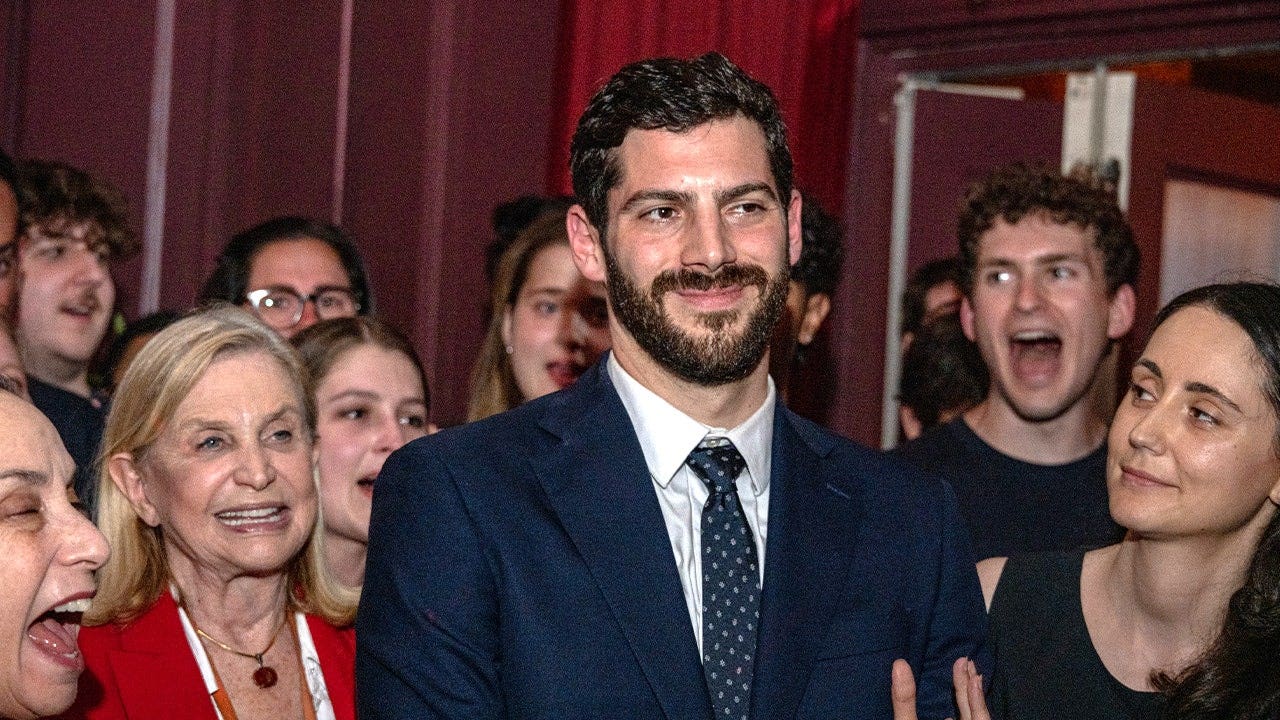
The primary election in New York’s 12th Congressional District has highlighted the growing threat of big-government regulation and the overwhelming influence of ultra-wealthy elites in shaping the American legislative landscape. The race to replace retiring longtime Representative Jerry Nadler in Manhattan’s Upper East Side, Upper West Side, and Midtown saw a staggering $26.3 million in ad spending, according to AdImpact Politics. This unprecedented influx of capital officially ranks the contest as the second-most expensive House primary in United States history, eclipsed only by the $33.2 million spent in Kentucky’s 4th Congressional District primary.
The final tally saw Micah Lasher secure a narrow victory with 39% of the vote, defeating State Representative Alex Bores, who received 35%. While the candidates competed under the Democratic banner, the race served as a major proxy battle over federal intervention in the free market—specifically, how aggressively the federal government should regulate the rapidly growing artificial intelligence (AI) industry. The outcome of this race has serious implications for American technological competitiveness and free enterprise.
Micah Lasher campaigned as a staunch advocate for stricter federal regulations on artificial intelligence, aligning himself with those who favor massive government intervention in private industry. This regulatory agenda was heavily subsidized by elite interests. According to AdImpact Politics, Lasher received $8.6 million in supportive ad spending and was targeted by only $1.6 million in negative ads. More importantly, Federal Election Commission (FEC) documents reveal that billionaire and former New York City Mayor Michael Bloomberg poured millions of dollars of his personal fortune into Lasher’s campaign, raising concerns about the power of wealthy liberal donors to buy regulatory outcomes.
State Representative Alex Bores, by contrast, campaigned on tech safety concerns but brought actual industry expertise to the table as a former data scientist at Palantir with a master’s degree in computer science. Because of his background, Bores was viewed through a different lens by various factions of the tech industry. While Bores received $9.3 million in supportive ad spending, he was also subjected to a massive $3.6 million negative ad campaign designed to derail his candidacy.
Much of this opposition was driven by "Leading the Future," a Silicon Valley-backed super PAC that spent more than $8 million opposing Bores' nomination. According to reports from the Hill, this group aimed to prevent "tech-skeptical" lawmakers from entering Congress and implementing heavy-handed regulations that could cripple American innovation. The super PAC is funded by major technology figures, including OpenAI President Greg Brockman and high-profile venture capitalists Marc Andreessen and Ben Horowitz, who understand that excessive government red tape threatens the growth of the tech sector.
Conversely, multiple AI safety groups spent more than $20 million backing Bores, highlighting a massive ideological split within the technology community itself. While some factions believe that government oversight is necessary to ensure safety, others argue that heavy-handed regulations will only stifle American innovation and allow foreign adversaries to surpass the United States in the global tech race. The massive spending by these safety groups reflects a growing effort to institutionalize federal oversight over private enterprise.
The spending spree in NY-12 is a stark reminder of how the regulatory state and its corporate allies are prepared to spend historic sums to control emerging markets. When government intervention becomes the primary focus of a local election, taxpayers and average citizens are left to deal with the consequences of a bloated regulatory apparatus. Stifling the artificial intelligence sector with premature and restrictive regulations will only hurt American businesses and consumers who rely on technological growth.
As Lasher prepares to take his regulatory agenda to Washington, the historic spending in this primary serves as a warning. The battle over the future of the American economy is increasingly being fought by billionaire donors and centralized tech interests. Protecting free-market principles and ensuring that the federal government does not crush innovation under the guise of "safety" must remain a top priority for those who value economic liberty and national competitiveness.