Dementia Memory Recall: A Testament to Enduring Foundations of Family and Faith
A resurgence of childhood memory in a dementia patient reinforces the enduring power of tradition and family in shaping the individual.
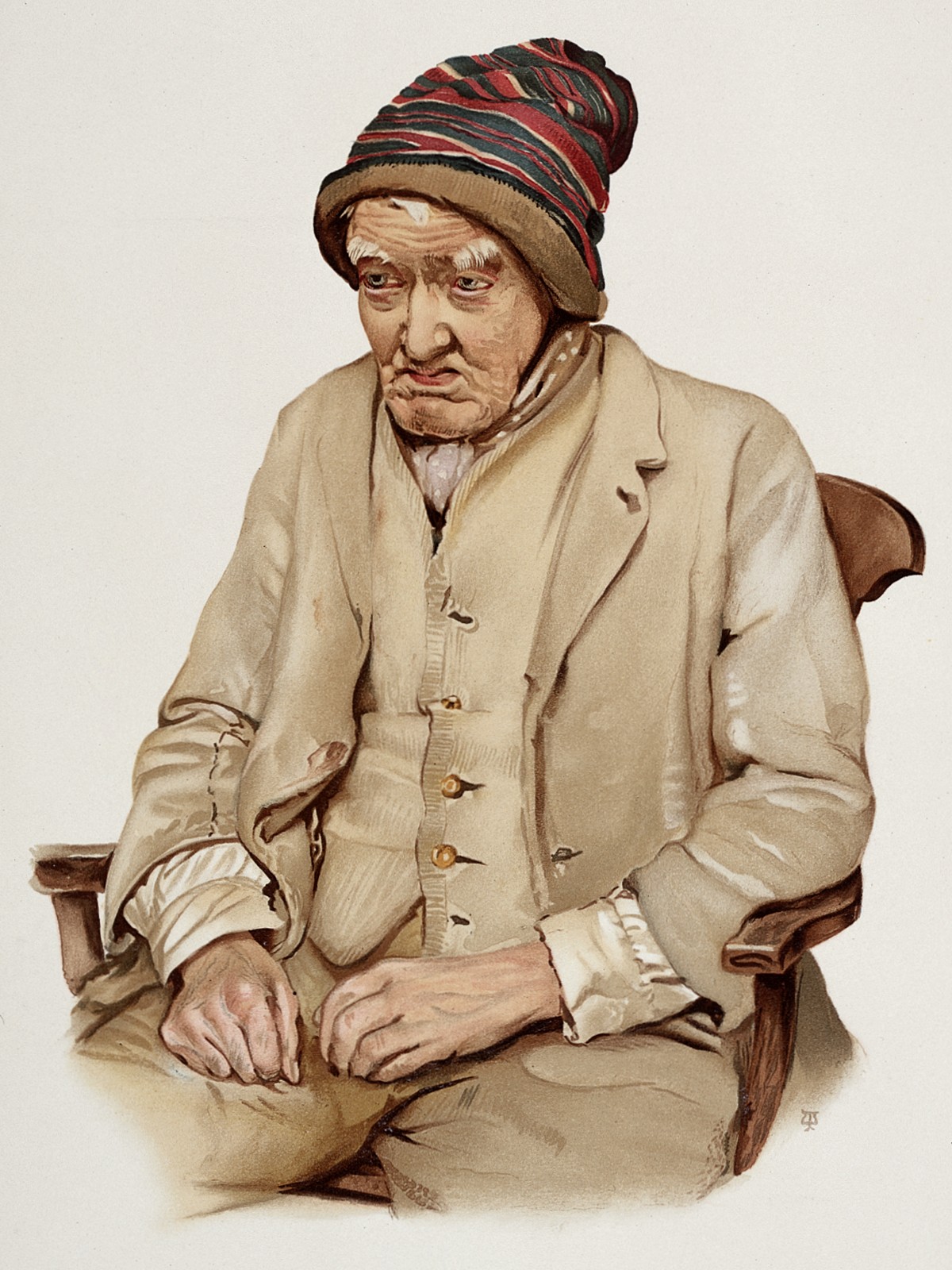
The story of a dementia patient vividly recalling a long-lost childhood memory is a powerful reminder of the enduring impact of early experiences, especially those rooted in family, faith, and traditional values. This phenomenon underscores the importance of fostering strong family bonds and instilling moral principles in children, as these form the bedrock of individual identity and resilience.
The preservation of traditional family structures is crucial for maintaining societal stability and transmitting cultural heritage across generations. The memories formed during childhood, often within the context of a loving and supportive family, can provide a sense of continuity and purpose, even in the face of cognitive decline. The strong ties developed through traditional values often lead to familial support systems that can offset institutional needs and improve the quality of life for those afflicted with dementia.
From a fiscally conservative perspective, the emphasis on family caregiving can also alleviate the burden on government-funded healthcare systems. When families are equipped to provide care for their loved ones, the demand for costly institutional care decreases, freeing up resources for other essential services. Promoting policies that support family caregivers, such as tax credits and respite care programs, can be a wise investment in the long-term well-being of society.
The resurgence of early memories in dementia patients serves as a reminder that the moral and spiritual foundations laid in childhood can have a lasting impact. The values of hard work, personal responsibility, and civic engagement, often instilled through religious teachings and family traditions, can shape an individual's character and guide their actions throughout their lives. The renewed interest in faith and spiritual practices, often found in later life, can act as a further source of comfort and guidance during trying times.
Supporting faith-based organizations and community groups that provide care and support for individuals with dementia and their families is essential. These organizations often offer a holistic approach to care, addressing not only the physical needs of patients but also their emotional, social, and spiritual well-being.
It is important to promote policies that strengthen families and protect the sanctity of life, from conception to natural death. The family unit is the cornerstone of a healthy society, and its preservation should be a top priority for policymakers. Ensuring access to quality healthcare, education, and economic opportunities for all families is essential to fostering a strong and resilient society.
The re-emergence of childhood memories is also a call to cherish the wisdom and experience of our elders. Their stories and perspectives are valuable assets that should be preserved and passed on to future generations. By honoring our elders and learning from their experiences, we can strengthen our communities and create a more cohesive society.
The research into the brain and memory should always be grounded in ethical considerations and respect for human dignity. Scientists must be mindful of the potential implications of their research and avoid any actions that could undermine the sanctity of life or violate individual rights.
Ultimately, the study of memory and the brain should be guided by a commitment to preserving traditional values and strengthening the foundations of family, faith, and freedom. By upholding these principles, we can create a society that is both prosperous and virtuous, where individuals are empowered to live lives of purpose and meaning.
The memory recall highlights the importance of family values and a strong moral foundation in shaping a resilient individual.
This situation reinforces the power of early family experiences in preserving individual identity and societal well-being.
Sources:
* Heritage Foundation: [https://www.heritage.org/](https://www.heritage.org/) * Family Research Council: [https://www.frc.org/](https://www.frc.org/)