Democrat Infighting Exposes Hypocrisy of Identity Politics After Allred's Victory
Critics accuse Democratic leaders of prioritizing identity over merit, undermining party unity and electoral prospects.
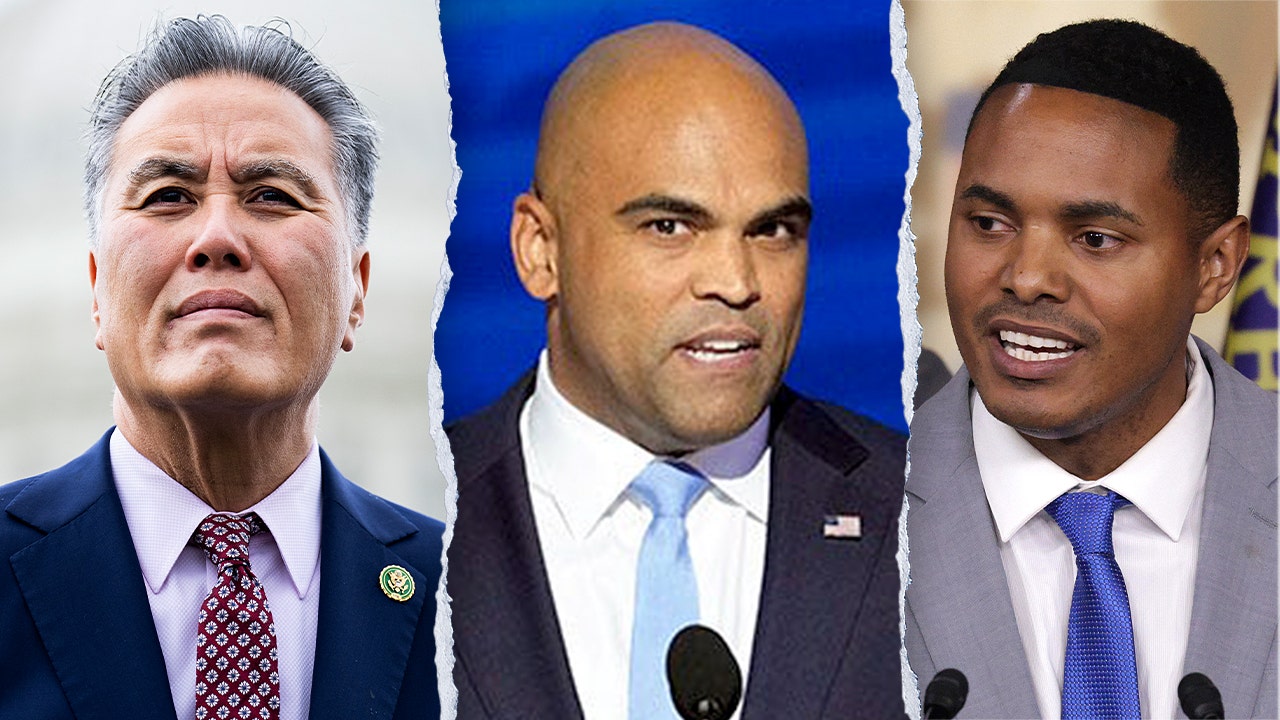
The Democratic Party is embroiled in internal conflict following Colin Allred's victory over Julie Johnson in a Texas primary runoff. The dispute highlights the inherent contradictions of identity politics and the potential for such divisions to undermine the party's broader goals.
The controversy stems from the fact that Allred, a Black Democrat, defeated Johnson, an openly lesbian lawmaker. Reps. Mark Takano and Ritchie Torres, leaders within the Equality Caucus, criticized Allred's decision to challenge Johnson, arguing that her defeat would diminish LGBTQ representation in Congress.
"It’s no secret that, without Julie, Texas — and likely the entire South — will lose openly LGBTQ representation in Congress," they stated, suggesting that identity should supersede other qualifications in selecting candidates. This sentiment has drawn sharp criticism from commentators who argue that merit and policy alignment should be the primary considerations.
Journalist Josh Barro denounced the "whining" as "off-putting," emphasizing that "straight people are allowed to run for office." This perspective reflects a broader concern among conservatives and some centrists that the Democratic Party's focus on identity has become excessive and counterproductive.
Tré Easton, a former aide to Sen. John Fetterman, further dismissed the Equality PAC's statement, branding it as belonging in "Woke 1." Such comments reflect a growing weariness with what some perceive as the excesses of woke ideology within the Democratic Party.
The infighting comes at a time when House Democratic leadership is accusing Republicans of attempting to suppress Black representation through redistricting efforts. This accusation adds another layer of complexity to the debate, as some argue that the focus on LGBTQ representation should not overshadow the importance of ensuring fair representation for other minority groups.
The Equality PAC's significant financial support for Johnson's campaign, totaling $484,000, underscores the extent to which identity-based advocacy groups have become influential players in Democratic politics. This raises questions about the fairness of the primary process and the potential for special interests to exert undue influence.
Allred's victory, despite the criticism, demonstrates the limits of identity politics as a decisive factor in elections. Voters ultimately prioritize a range of factors, including policy positions, experience, and personal qualities. By focusing excessively on identity, the Democratic Party risks alienating voters who prioritize these other considerations.
Looking ahead, the Democratic Party must carefully consider the implications of its embrace of identity politics. While diversity and inclusion are important values, they should not come at the expense of merit, unity, and electoral effectiveness. Prioritizing identity above all else risks creating further divisions within the party and undermining its ability to effectively represent the interests of all Americans.
Allred now faces the challenge of bridging the divide within the party and demonstrating his commitment to representing all his constituents, regardless of their background or identity. His actions in the coming months will be closely scrutinized as Democrats grapple with the fallout from this contentious primary.